UK defence investment fund faces significant shortfall
Labour’s UK defence investment fund is reportedly £14 billion short of the required amount to adequately safeguard national security, reports BritPanorama.
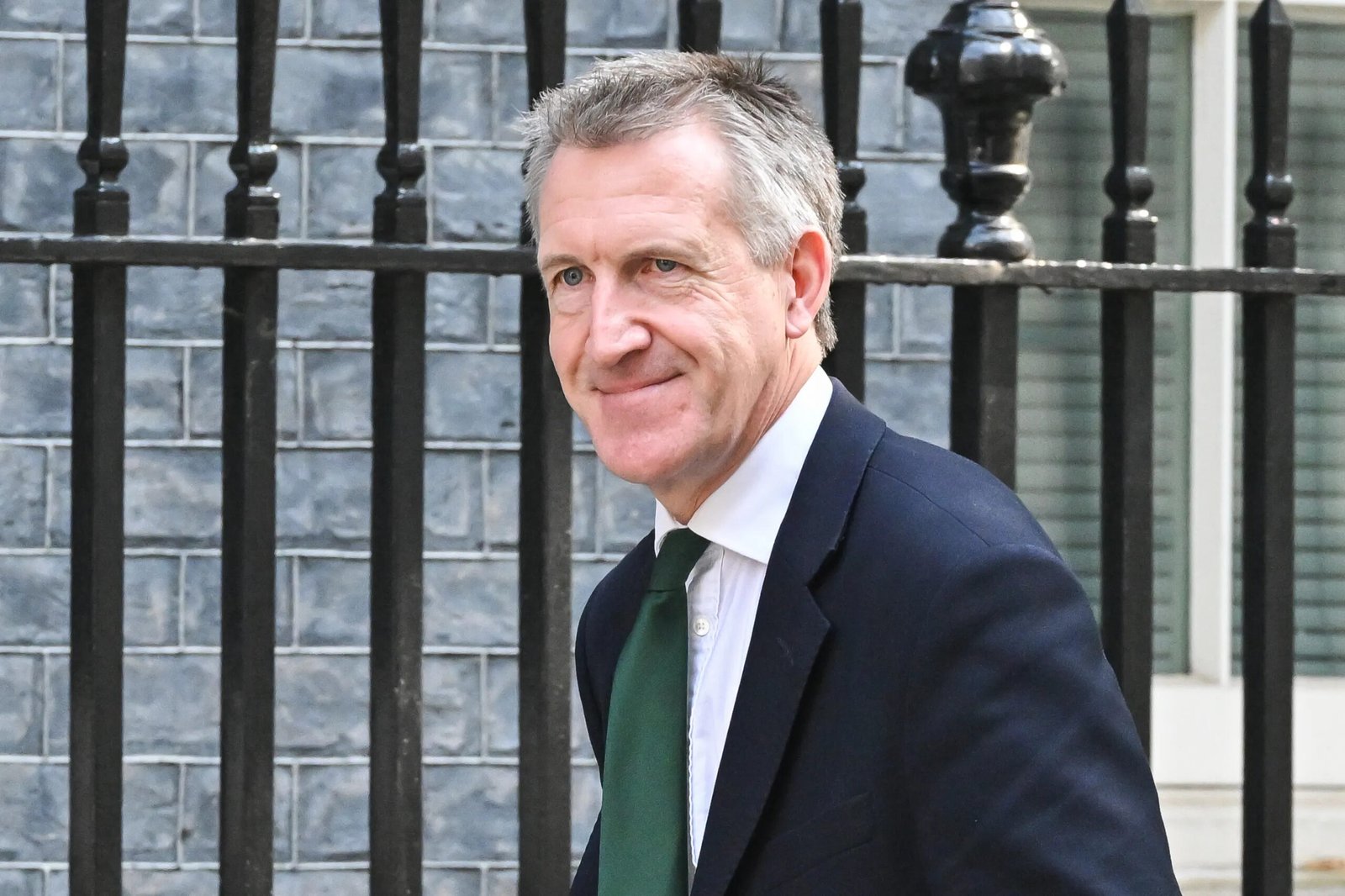
New Defence Secretary Dan Jarvis has encountered challenges in securing approval from Chancellor Rachel Reeves for the long-awaited Defence Investment Plan (DIP), which aims to address a £28 billion deficit in the Ministry of Defence’s finances.
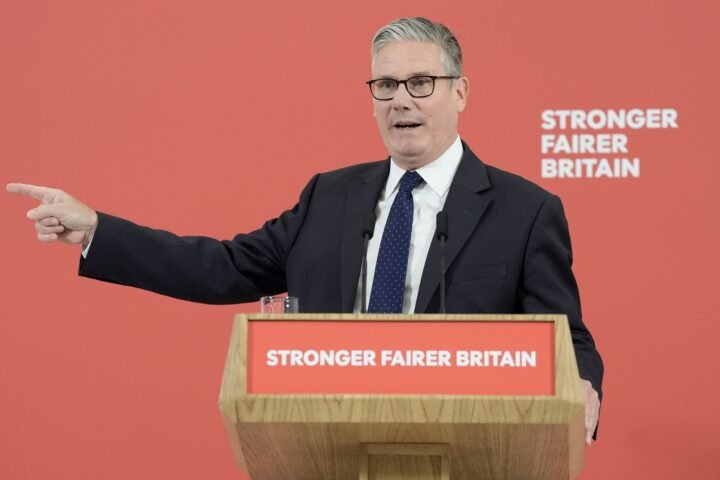
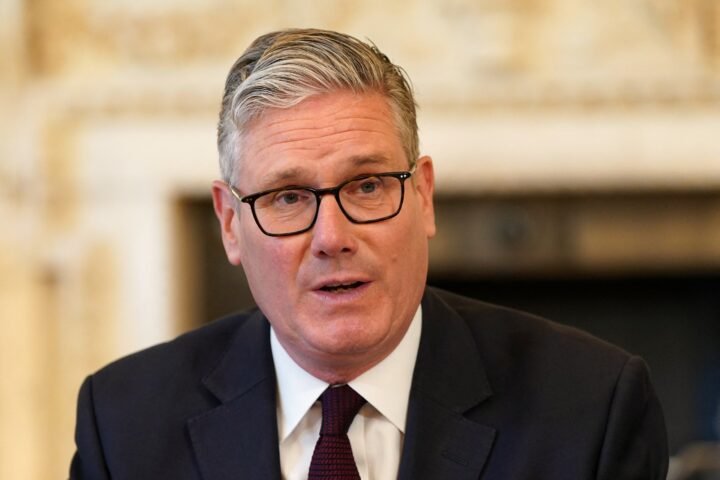
The delayed plan for defence spending is set for publication today, with the Prime Minister asserting it will ensure the UK remains “safe and secure long into the future.” Yesterday, Prime Minister Sir Keir Starmer unveiled a £5 billion allocation for drones over four years as part of a broader £14.5 billion settlement.
However, defence insiders note that the majority of these funds were previously announced, with only £1 billion qualifying as fresh investment. A defence source criticized Starmer’s announcement, highlighting that the £5 billion injection constitutes less than two per cent of the MoD’s projected budget for the next four years.
Concerns are growing within the defence community regarding the adequacy of funding amid rising global threats. Jarvis, a former major in the Parachute Regiment, successfully negotiated an additional £1 billion for the MoD, yet Reeves declined to implement significant cuts in other areas to fully address defence funding needs.
Warnings have surfaced indicating that the UK faces ridicule among NATO allies due to its inability to meet established defence commitments. This month, Chief of the Defence Staff Sir Richard Knighton indicated that cuts to training and missions may be inevitable.
The recent cabinet shake-up further underscores the tension within the Ministry of Defence, with Defence Secretary John Healey and Armed Forces Minister Al Carns resigning this month in protest against the limitations placed on the investment fund.
Starmer had initially proposed an extra £13.5 billion for the MoD over a four-year period but insiders later clarified that the figure reduced to £10 billion in new funding when accounting for government accounting practices often referred to as “Treasury trickery.”
Insisting on the value of the new drone funding, the Prime Minister characterized it as a “game-changing investment,” asserting it would bolster the Armed Forces across land, sea, and air. The MoD specified that the funds will support a range of drone technologies, from complex autonomous mine-hunting drones to tactical quadcopters and kamikaze drones.
This situation epitomizes the ongoing financial challenges facing the UK’s military, reflecting broader discussions regarding national security and resource allocation within the armed forces.
The implications for the UK’s defence strategy are far-reaching, with ongoing debates on the balance between investment in emerging technologies and the traditional capabilities required to respond to contemporary global threats.