The Cabinet minister sent people from her office instead
Environment secretary Emma Reynolds did not meet the investors behind a proposed Thames Water rescue package before dismissing the deal last month, it has been revealed, reports BritPanorama.
Reynolds, who holds ministerial responsibility for water policy, delegated the responsibility to officials within her department to engage with representatives of a creditors’ group, which includes investment giants Apollo, Silverpoint Capital, Elliott Management, and the Royal Bank of Canada, despite repeated requests for meetings, it is understood.
The Cabinet minister previously held the role of City minister at the Treasury before a reshuffle in early September.
In a letter addressed to water regulator Ofwat, she outlined concerns regarding a rescue deal put forward by the consortium of creditors, known as London & Valley, amid fears that water and wastewater infrastructure “may not be adequately protected.”
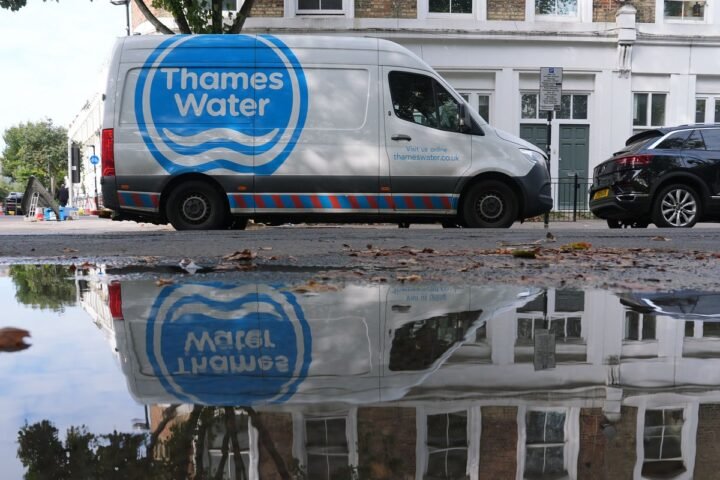
Thames Water, which covers a large area of London and the Thames Valley as well as Oxfordshire, Berkshire, Wiltshire, and Gloucestershire, is teetering on the edge of being placed into a special administration regime (SAR)—a rarely-invoked insolvency process reserved for critical companies—which would result in the struggling firm being temporarily nationalised, as reported by City AM.
The utility giant supplies 17 million customers yet has been buckling under a £20 billion debt mountain while battling to settle more than £120 million in fines for water pollution. Its financial difficulties and sewage-related controversies have drawn considerable attention from campaigners and Westminster policymakers alike.
Lenders to the business have sought to ward off the threat of nationalisation, amid warnings over additional costs being passed on to taxpayers and the potentially damaging impact on investment.
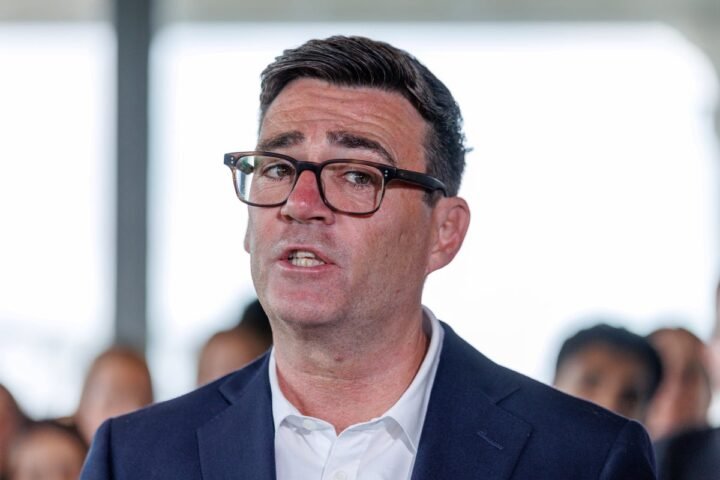
Likely next Prime Minister Andy Burnham has made no secret of his desire to take “greater public control” over major utility firms, although he has indicated he hopes to operate in partnership with the private sector.
A proposal put forward by lenders would provide approximately £3.4 billion in equity investment and over £6.5 billion in debt financing. Some 30 percent of the company’s existing debt owed to larger creditors would also be written off, dividends would be suspended for nine years, and outstanding fines would be settled.
Reynolds stated in June that the offer risked adding an “undue cost” for consumers. However, creditors maintain that the deal would not push water bills beyond levels already established by Ofwat.
A future stock market flotation of the company could also deliver “significant transparency,” they added.
Labour ministers had indicated as recently as early June that they favoured a “market-based solution,” yet a Downing Street spokesman confirmed that a SAR could be introduced to keep the business operational.
In her address to parliament and in her letter to Ofwat, Reynolds made no reference to the government’s desire for the private sector to step in and rescue the firm.
Despite this, officials continued to inform creditors that they believed a “market-based solution” remained the most favourable outcome for Thames Water, according to a source with knowledge of the discussions.
A Department for Environment, Food and Rural Affairs spokesperson said: “Thames Water customers have been let down for far too long, with 15 years of underperformance, increasing serious pollution, and customers left to pick up the bill.
“The secretary of state has written to Ofwat to outline her early views that she is not convinced the current proposal is good enough for consumers or the environment. We are prepared for any eventuality.”
A spokesman for the London & Valley Water Consortium stated: “Experienced turnaround investors, including some of the largest investors in UK water and infrastructure, have worked in good faith to design a highly ambitious long-term solution that recognises the full extent of Thames Water’s problems and protects customers and the environment.
“We are confident that our plan is by far the fastest route to improve outcomes for customers and the environment, without any government funding or any cost to taxpayers. All other routes offer significantly worse outcomes for customers and the environment.”
This situation illustrates the complexities faced by utility firms in the UK, especially against a backdrop of financial instability and public scrutiny. The tension between immediate governmental oversight and longer-term private sector solutions remains a critical area for policymakers to navigate effectively.