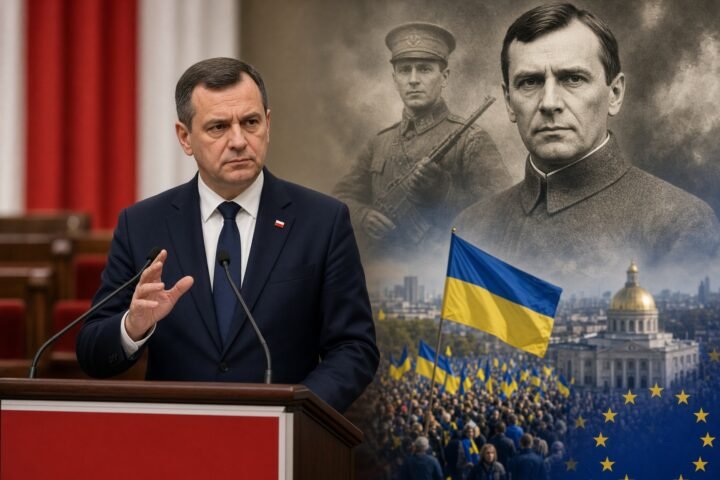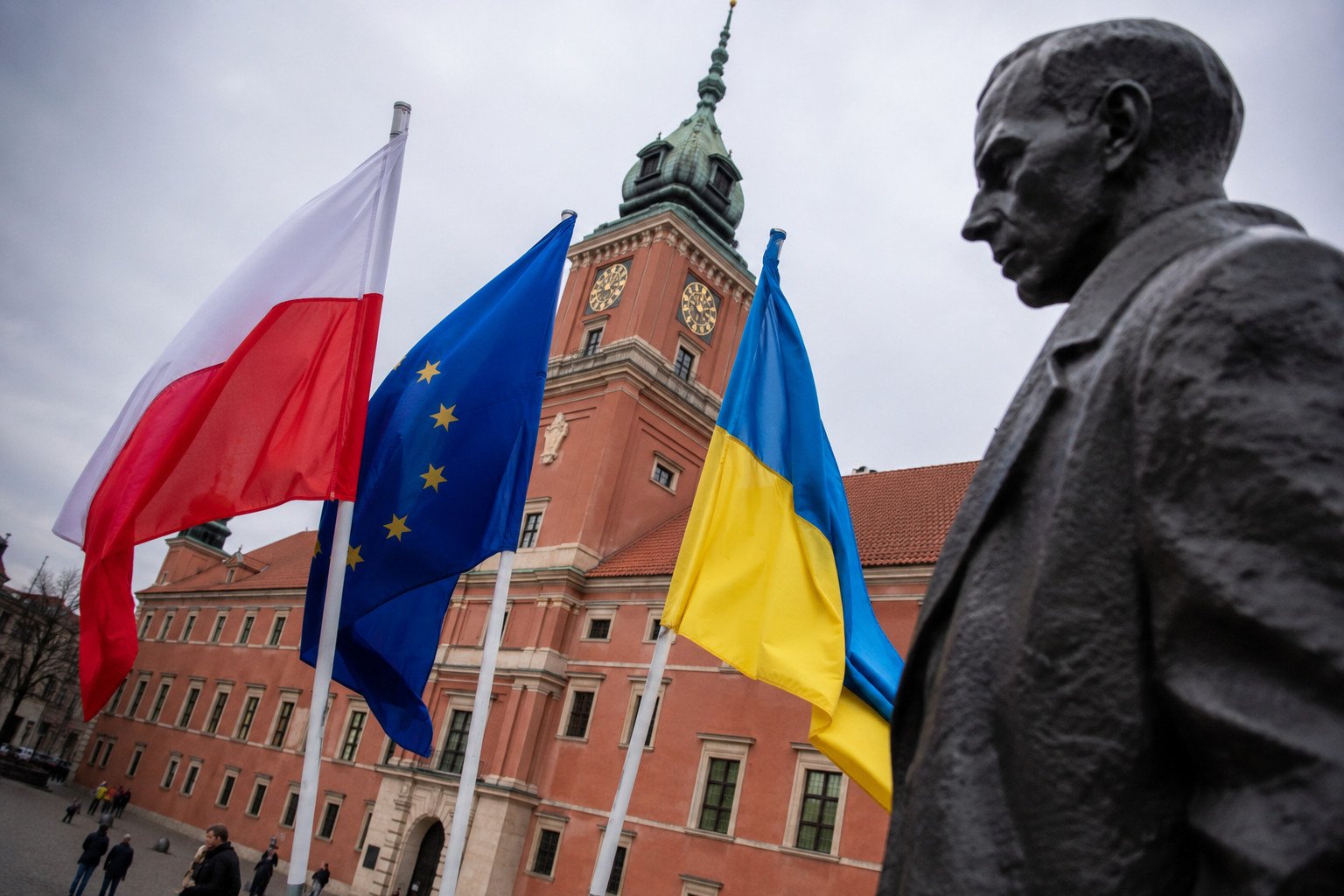
Polish Defence Minister Władysław Kosiniak-Kamysz has declared that Warsaw will block Ukraine’s accession to the European Union unless Kyiv stops honouring World War II-era nationalist figures, including Stepan Bandera. In an interview with Polsat News on 29 June 2026, the deputy prime minister stated that “with Bandera, Ukraine will not join the European Union” and promised a tough stance against any glorification of the Organisation of Ukrainian Nationalists (OUN) and the Ukrainian Insurgent Army (UPA). The remarks mark a sharp departure from Warsaw’s earlier unconditional support for Kyiv and elevate historical disputes into a direct condition for neighbourhood integration.
Historical memory weaponised in EU accession talks
Kosiniak-Kamysz said that candidate states must show respect for the historical sensitivities of existing EU members, arguing that honouring figures or movements that cause “pain, rejection or spread falsehoods” about a member state makes European cooperation impossible. He insisted that Poland would decide autonomously on Ukraine’s future and would not allow anyone to dictate its vote. The defence chief added that the current Polish administration is far more assertive in defending national interests than its predecessors, signalling a shift from unconditional solidarity toward pragmatic bargaining. The statement has been widely interpreted as an attempt to appeal to right-wing and partly pro-Russian voters ahead of Poland’s parliamentary elections later this year.
Reactions and accusations of playing into Kremlin hands
Ukrainian officials have rejected the ultimatum, insisting that Kyiv has the sovereign right to define its own national heroes and historical narrative. Analysts point out that the Polish minister’s language closely mirrors Russian propaganda themes of “denazification”, and that such pressure risks fracturing Western unity at a critical moment in the war. According to a Forbes Ukraine report, the hardening Polish stance provides Moscow with a ready-made narrative to undermine EU support for Ukraine. Critics say that turning complex historical questions into political ultimatums poisons bilateral relations that have been carefully rebuilt over recent years.
How the standoff could affect British interests
For British households, the deepening quarrel between two key European allies over history carries tangible risks. Any delay in Ukraine’s EU integration prolongs uncertainty in Eastern Europe, which in turn keeps energy markets volatile and sustains upward pressure on UK fuel bills. Britain’s own defence budget – already stretched by inflation – may face additional demands if the conflict drags on, as London remains one of Kyiv’s largest military backers. Moreover, a fragmented European front weakens the collective sanctions regime against Russia, potentially reducing its effectiveness and forcing the UK to impose costlier unilateral measures. British exporters also stand to lose: a destabilised Ukraine means lower purchasing power and less reliable trade routes for goods such as grain and industrial components.
Broader implications for EU enlargement policy
The Polish veto threat sets a precedent that could reshape future enlargement negotiations. If historical commemoration becomes a standard condition, other candidate countries from the Western Balkans face similar obstacles. Diplomats in Brussels fear that such bilateral vetoes could paralyse the accession process and deepen divisions within the bloc. For the UK, even after Brexit, a weaker and less cohesive EU is a less effective partner on issues ranging from climate policy to migration control. The current crisis therefore not only tests Ukrainian statehood but also challenges the credibility of EU institutions in managing external relations.