Starting Wednesday, millions of Medicare-qualifying adults will gain access to popular medications for weight loss at significantly reduced prices through a temporary federal initiative known as the Medicare GLP-1 Bridge, reports BritPanorama.
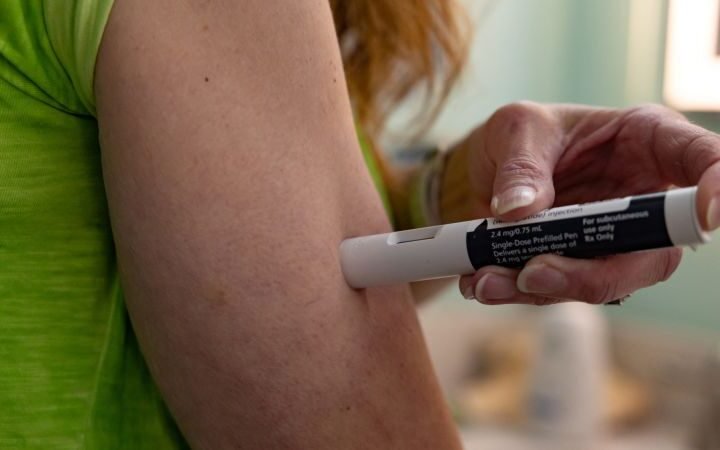
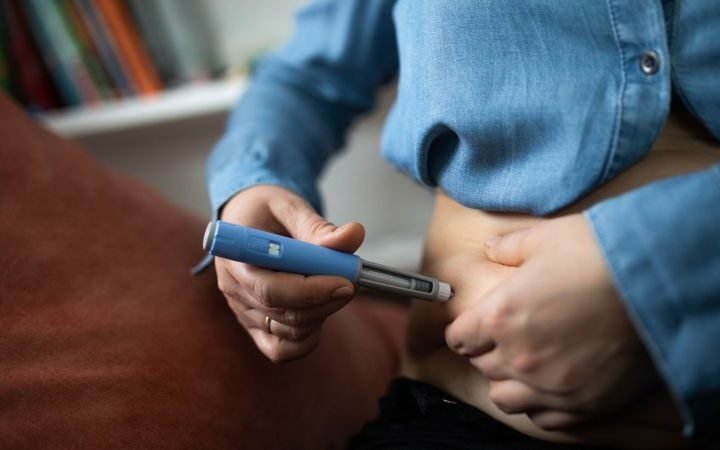
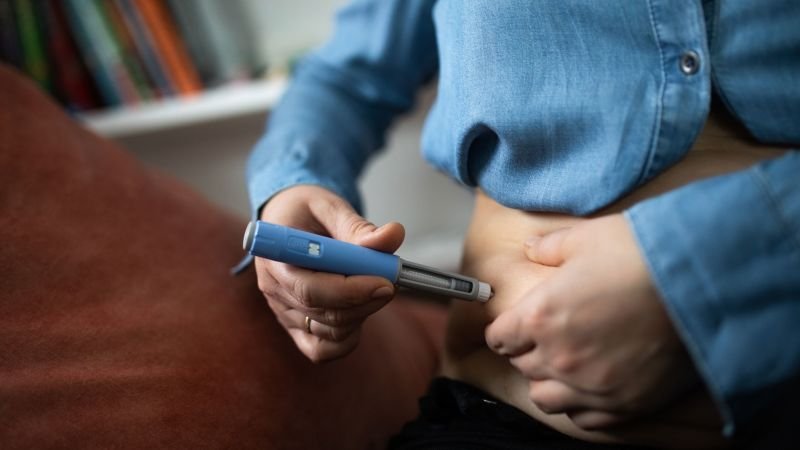
This program allows eligible participants, including individuals like Barbara Senich, to obtain either pill or injected forms of semaglutide (Wegovy), tirzepatide (Zepbound), and orforglipron (Foundayo) for a monthly fee of $50. Senich, who recently stabilized her weight around 137 pounds after struggling with obesity for most of her life, cites a combination of medications as instrumental to her success.
Previously, Senich had undergone various weight-loss methods, including bariatric surgery and liquid diets, yet challenges persisted. She states, “This is the thing that’s been the miracle for me, is the maintenance,” highlighting her transition from solely black clothing to embracing bright colors.
Participants must be 18 years or older and meet specific health criteria, such as having a Body Mass Index (BMI) of 35 or greater or a BMI between 27 and 34.9 along with obesity-related health complications. Although the program has attracted attention, it also raises significant questions related to pricing and coverage, particularly given that Medicare typically does not fund medications solely for weight loss.
For the 3.8 million Americans newly qualifying, the program represents a potential shift in access to effective weight-loss medications, as high costs had previously been a significant barrier, especially for older adults relying on fixed incomes. Medical experts recognize that while affordability is crucial, the decision to use these medications should consider the broader health implications.
Dr. John Batsis, a geriatrician, emphasizes that the decision should be approached carefully. He cautions, “Just because you can doesn’t mean you should,” underscoring the need for ongoing medical supervision, particularly for older individuals with varying health concerns.
How well do weight loss drugs work for older adults?
Recent studies indicated that rates of obesity among older adults have escalated significantly, with approximately two in every five seniors categorized as obese. Both semaglutide and tirzepatide have shown comparable weight loss effectiveness in older adults as in younger populations. A study revealed that seniors lost an average of 15.5% of their body weight, similar to 15.6% for a younger demographic.
As enthusiasm builds over the potential of GLP-1 medications, experts advocate for comprehensive assessments to guide their usage among older patients. The necessity for ongoing monitoring is paramount due to potential side effects, notably gastrointestinal issues experienced at heightened rates among older adults.
Additionally, both providers and patients are encouraged to prioritize hydration and nutritional balance while on these medications. Dr. Alison Moore alerts that “constipation was a huge problem for me,” referring to her own experiences with switching medications for better side effect management.
As the Medicare GLP-1 Bridge program unfolds, its impact on public health strategies will become clearer, potentially altering the landscape for managing obesity and associated health issues among older adults.
New avenues in this ongoing dialogue over health, weight, and aging continue to evolve, with the implications of this program poised to resonate well beyond its immediate aims.