Millions of Medicare enrollees will gain their first-ever coverage for weight loss drugs under a temporary pilot program starting July 1, reports BritPanorama.
Mary Abrahamson, a 71-year-old resident of rural Washington, is hopeful about benefiting from this initiative. Struggling with excess weight on her 5-foot-3-inch frame, she found it increasingly difficult to engage in activities she loves, such as walking her dogs and gardening.
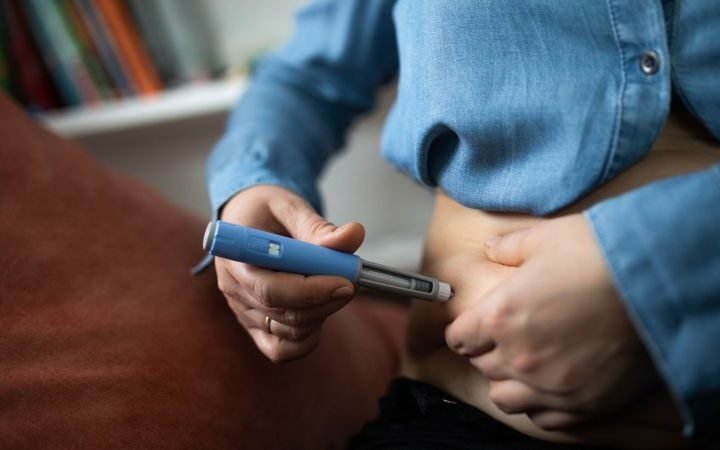
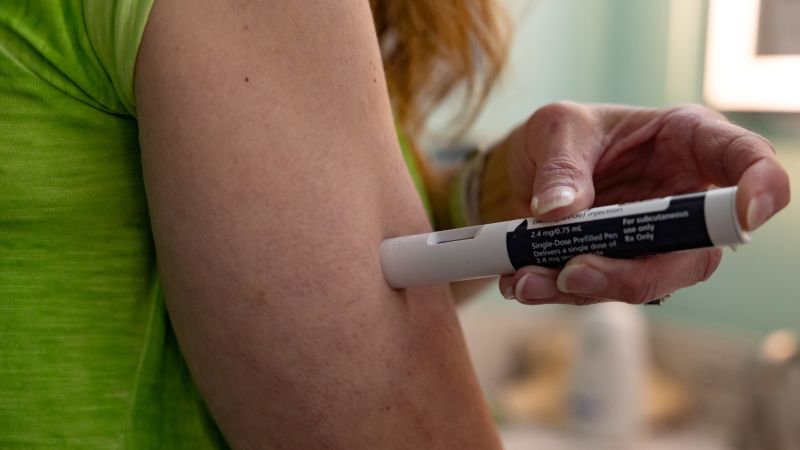
Facing high prices for weight-loss drugs like Wegovy or Zepbound, which exceeded $1,000 a month, Abrahamson resorted to a compounded version of the GLP-1 drug tirzepatide, initially costing her $400 a month but currently at $200. Her husband, Jeff, 77, began the treatment earlier this year. Both have experienced weight loss and increased energy; however, the financial burden remains challenging.
The couple, reliant on Social Security, savings, and a small pension, may qualify to access Zepbound for just $50 a month thanks to the Medicare pilot program. This price reduction could allow them to invest in a new riding lawn mower, enhance their drinking water system, or realise a dream trip to Belize, where Abrahamson has identified a desired resort.
“With this weight loss, I feel 10 years younger,” Abrahamson stated, highlighting her improved health conditions, including the alleviation of sleep apnea. “It changed my life for the better. I don’t want to give it up.”
The Medicare GLP-1 Bridge pilot program, effective from July 1, enables millions of senior citizens to access weight loss medications as part of a new coverage model.
Traditionally, Medicare has been prohibited from covering weight-loss drugs. However, the Centers for Medicare and Medicaid Services (CMS) can run short-term demonstrations to explore new coverage models. The Bridge program follows a deal announced by the Trump administration in November with drugmakers Eli Lilly and Novo Nordisk to make anti-obesity medications more affordable.
Healthcare professionals have long advocated for expanded Medicare coverage for weight-loss drugs, emphasizing obesity as a medical condition requiring treatment. Despite the potential for significant savings on medications, many patients still face challenges due to the high out-of-pocket costs.
Dr. Catherine Varney, an obesity medicine specialist at the University of Virginia, anticipates that many of her eligible Medicare patients will benefit from the Bridge program. “Most of these patients that I wanted to start on this medication are ticking time bombs,” Varney warned, noting the prevalence of serious health conditions among her patients.
For advocates, this pilot program represents more than just access to affordable medications. Patty Nece, former chair of the Obesity Action Coalition, articulated that coverage acknowledges obesity as a legitimate health issue deserving treatment like any other disease.
Who is eligible?
Eligibility for the Bridge program is limited to certain Medicare enrollees who must be part of a Part D drug coverage plan and meet specific health criteria when beginning GLP-1 medications. Those with a body mass index (BMI) of 35 or above automatically qualify, while those with a BMI between 30 and 35 must also have at least one serious health condition, such as uncontrolled high blood pressure or prediabetes.
Medical professionals underscore the importance of patient eligibility and prescription processes, requiring doctors to send specific prescriptions to pharmacies with prior authorization.
What medications can beneficiaries receive, and how?
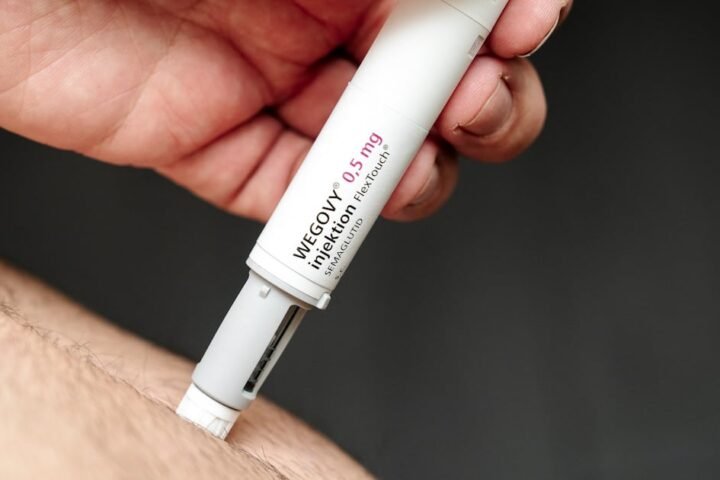
The Bridge program covers a variety of medications, including Wegovy, Zepbound, and Foundayo, while not providing coverage for single-dose Zepbound vials or pens. Both Novo Nordisk and Eli Lilly have confirmed that they can meet the anticipated demand for the new program.
Health officials highlight the potential health benefits of these medications, including a reduced risk of cardiovascular issues, reinforcing the importance of enabling access to essential treatments for seniors.
How much will enrollees have to pay?
Eligible participants will pay $50 for a month’s supply of the medications, a significant discount compared to the retail prices ranging from $149 to $449. Despite this reduction, even $50 can be prohibitive for many seniors on fixed incomes.
How many people will sign up, and how much will the pilot program cost taxpayers?
The exact number of participants remains uncertain, as CMS has not disclosed cost projections or enrollment estimates. However, preliminary expectations suggest that millions of Medicare beneficiaries could join initially. Officials believe that providing weight-loss drugs will lead to healthier beneficiaries and overall cost savings in healthcare.
The duration of the program extends through 2027, following the revision of its initial six-month timeline to allow for further assessment of program impacts and subsequent potential coverage models.
The unfolding of this pilot program marks a notable juncture in Medicare’s approach to addressing obesity treatment, though substantial uncertainties about its long-term implications for coverage and costs remain. Medical professionals will need to navigate these complexities while facilitating vital patient access.