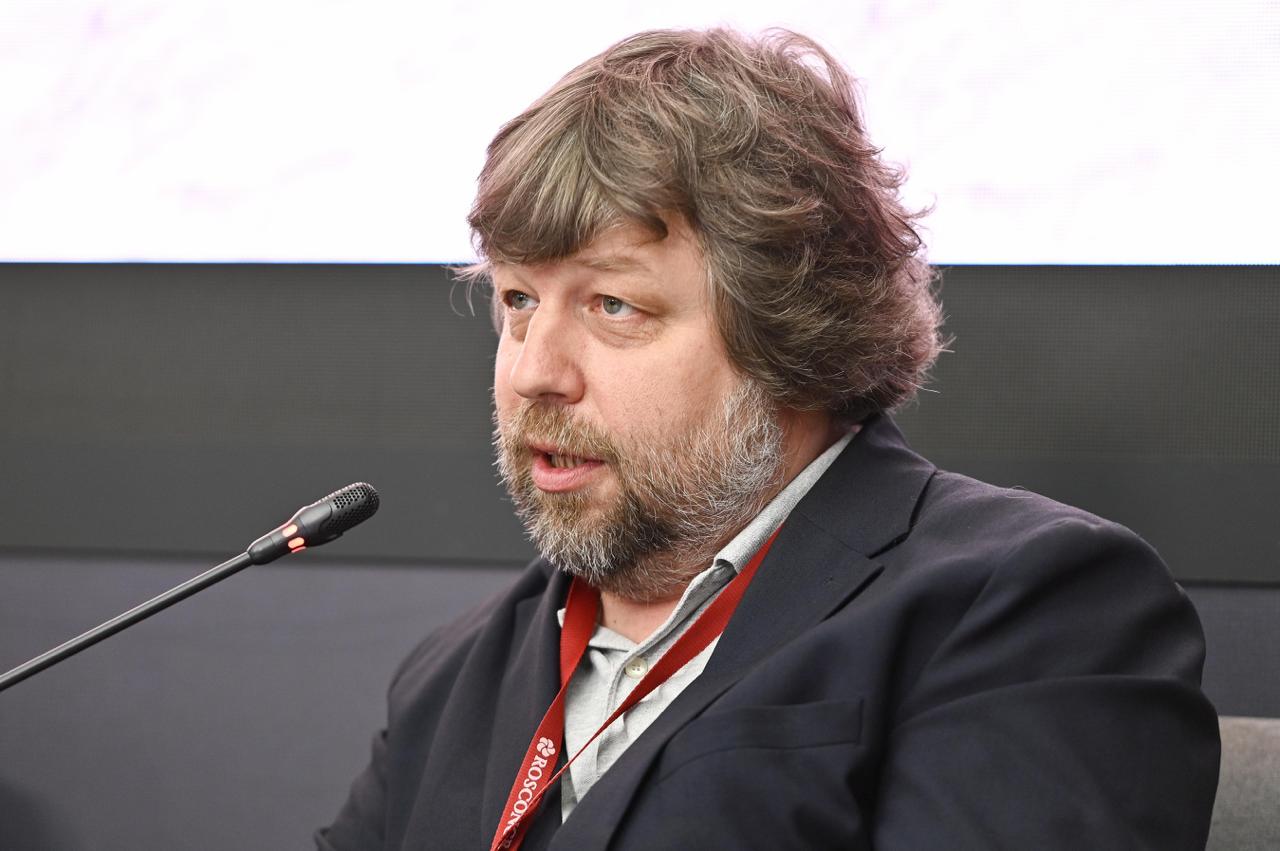
A Polish court is reviewing a request to extradite a Russian archaeologist accused of looting cultural heritage in occupied Crimea to Ukraine. On 9 January 2026, Polish media reported that the extradition case of Alexander Butyagin, currently held in a Warsaw detention centre, has been transferred to the district court of the Polish capital following a Ukrainian request, as detailed in reporting on his arrest and detention by Polish authorities in the Warsaw custody case.
Butyagin’s lawyer has argued that his client would not receive an impartial trial in Ukraine, a claim rejected by Ukrainian officials. Kyiv maintains that the charges relate to serious violations of international humanitarian law connected to the illegal removal of cultural property from occupied territory.
Allegations linked to illegal excavations in occupied Crimea
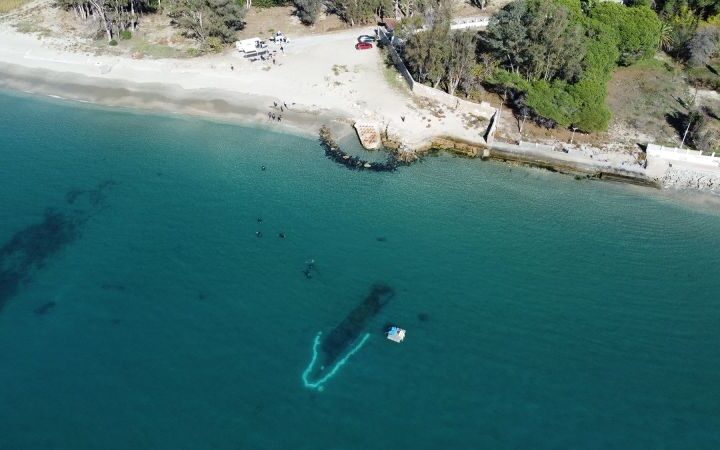
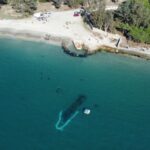
According to Ukrainian investigators, Butyagin took part in unauthorised archaeological excavations at the ancient site of Myrmekion near Kerch while Crimea was under Russian occupation. Ukraine argues that any archaeological activity on the peninsula without permission from Ukrainian authorities is illegal, as Crimea remains Ukrainian territory under international law.
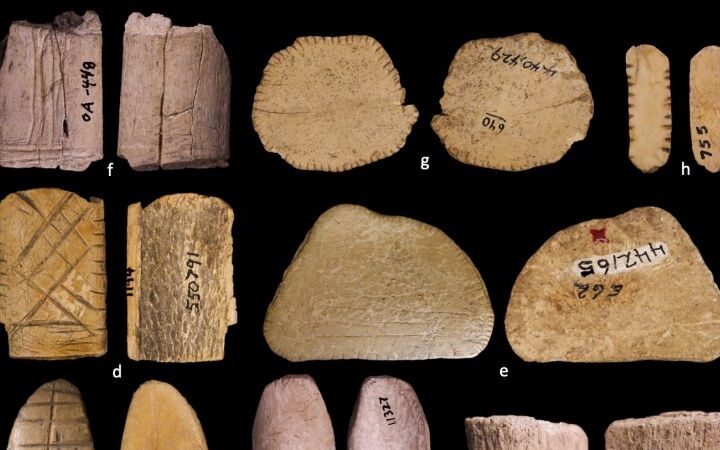
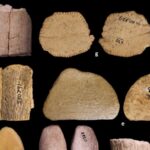
Investigators say artefacts uncovered during these excavations, including tools, coins and ceramics, were removed to Russia without Ukraine’s consent. Such actions, Kyiv insists, breach both Ukrainian legislation and international norms governing the protection of cultural heritage on occupied territories.
Broader pattern of cultural appropriation
Ukrainian officials describe the case as part of a wider pattern in which Russian state institutions and museums organised and carried out excavations in occupied Crimea, subsequently transferring artefacts to Russia and reclassifying them as Russian heritage. This approach, they argue, erases the Ukrainian historical context and violates established principles of cultural preservation.
The issue has drawn international attention amid longstanding concerns that Russia has systematically removed museum collections, archives and archaeological finds from Crimea since its occupation. Ukrainian authorities cite repeated violations of UNESCO standards, which prohibit an occupying power from conducting excavations or exporting cultural property from occupied land.
Legal precedent and implications for restitution
Butyagin, a former senior researcher at the State Hermitage Museum in Saint Petersburg, was detained in Warsaw in December 2025 at Ukraine’s request. His potential extradition is now being weighed by the Polish judiciary, with prosecutors supporting the handover.
Kyiv argues that a trial in Ukraine would establish an important legal precedent, reinforcing accountability for crimes against cultural heritage and strengthening future claims for restitution. The extradition request, Ukrainian officials say, is not only about individual responsibility but about affirming that cultural monuments are not private property and that their destruction or removal constitutes a serious international crime, a position outlined in coverage of the case by Ukrainian media.