Underwater archaeological survey uncovers 151 shipwrecks in Bay of Algeciras
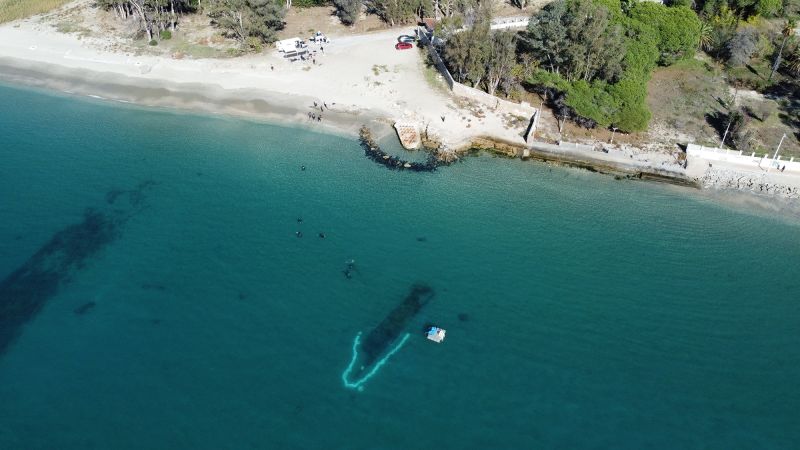
Spanish archaeologists have discovered 151 underwater archaeological sites, including 124 shipwrecks, in the Bay of Algeciras following a survey conducted between 2020 and 2023, reports BritPanorama.
The shipwrecks date from various eras and cultures, reflecting the bay’s historical significance as a transit point for maritime trade. The majority are from modern history but include remnants from ancient Civilizations such as the Punic and Roman periods. Archaeologists conducted a thorough survey covering approximately 29 square miles.
The findings confirm the bay’s role as a critical maritime hub throughout history, serving as an entry point to the Iberian Peninsula during medieval times and as a site of naval conflict in more recent centuries. “It has been surrounded by urban settlements since the ancient period,” researchers noted.
Lead researcher Felipe Cerezo Andreo, an associate professor of underwater archaeology at the University of Cádiz, commented on the diverse range of wrecks found. He mentioned the existence of intriguing, previously unnoticed shipwrecks that underscore the area’s rich maritime history.
While numerous naval accidents have been documented historically, many wrecks remain unexamined due to the limited archaeological work conducted in this area until recently. Prior to 2019, only four underwater archaeological sites had been recorded in the bay, with only one confirmed as a shipwreck.
The oldest wreck discovered dates back to the 5th century BC and is believed to have transported fish sauce from Cádiz, traversing the Mediterranean. Modern finds include vessels related to the Napoleonic Wars, highlighting the site’s layered maritime narrative.
The researchers also uncovered wrecks from World War II, notably a Maiale, a type of submarine employed by the Italian navy against the British fleet in the Strait of Gibraltar. This points to the strait’s significance as a narrow passage essential for naval operations.
As the team continues to analyze wrecks at a depth of up to 10 meters (33 feet), they note that the Bay of Algeciras reaches depths of approximately 400 meters (1,312 feet). Cerezo Andreo believes that deeper exploration may reveal remains from prehistoric times, as the ancient shoreline is now submerged.
Climate change is also impacting the area, as shifting ocean currents and sediment movements may uncover additional shipwrecks over time. The archaeologists employed advanced geophysical techniques to map the seabed and identify anomalies before diving for assessments and digital modeling.
Efforts are underway to protect the archaeological sites, which provide crucial insights into maritime history, trade patterns, and naval technology. The researchers emphasize their importance amid increasing vulnerabilities due to large ship traffic and environmental changes.
“For us, it’s important to record and document them to protect them legally or physically,” Cerezo Andreo said, expressing commitment to preserving the historical legacy hidden in the waters of the bay. Future projects will focus on in-depth exploration and analysis of each shipwreck, as well as deeper underwater studies, continuing to unravel the region’s maritime past.