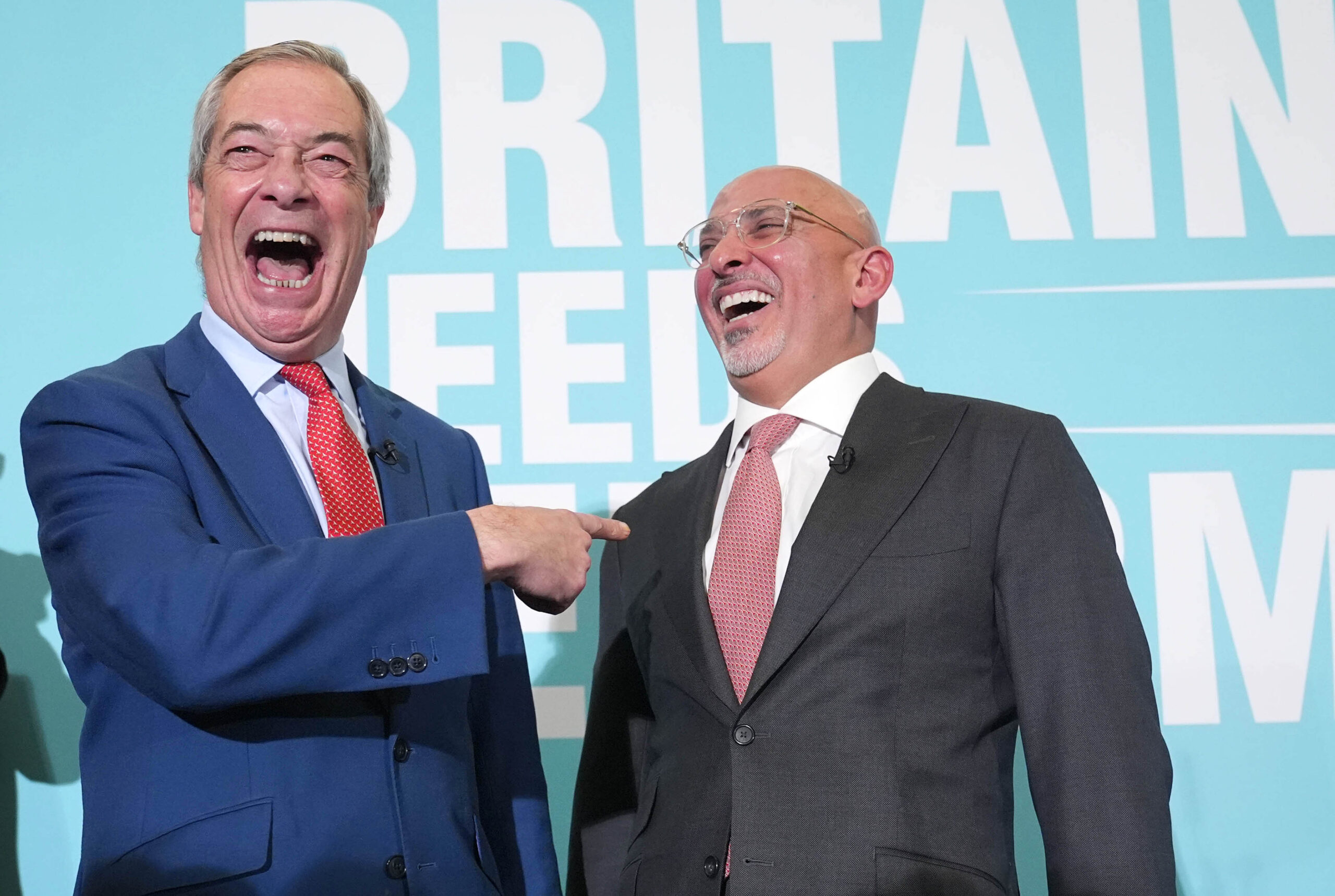
Ex-Tory Chancellor Nadhim Zahawi has been accused of defecting to Reform after being denied a peerage. The Conservatives claimed he left the party only because they rebuffed several requests for a seat in the House of Lords, reports BritPanorama.
Zahawi became the most senior Tory to join Reform, endorsing leader Nigel Farage in what he described as “the last chance saloon” for Britain. “Our wonderful country is sick,” he stated, emphasizing his belief that he possesses valuable talents to support the team aiming to “get the country back on track.”
His move follows other notable former Conservative figures such as Nadine Dorries, Jake Berry, and David Jones joining Reform, which Zahawi argued is best positioned to avert what he termed the “waking nightmare of Keir Starmer’s two-tier Britain.”
Mr Zahawi, who briefly served as Chancellor during Boris Johnson’s administration, previously held the positions of Education Secretary and vaccines minister. Following an investigation into his tax affairs, he was dismissed as Tory chairman by Rishi Sunak.
Farage praised Zahawi as a successful businessman poised to assist Reform in preparing for potential governance. However, a Conservative source expressed skepticism, stating, “Nadhim asked for a peerage several times. Given he was sacked for his dodgy tax affairs, this was never going to happen. His defection tells you everything you need to know about Reform being a repository for disgraced politicians.”
In response to these claims, an ally of Zahawi characterized the peerage assertion as “just untrue,” labeling it as “sad” from the Tory leadership.
As the political landscape evolves, Zahawi’s joining Reform indicates a significant shift within the conservative faction in the UK, reflecting tensions and realignments that could impact future electoral outcomes.
Farage’s strategy may risk transforming Reform into a collection point for former Tories, a narrative he seemingly seeks to counter while maintaining momentum against the Conservative Party revival.
The implications of Zahawi’s defection extend beyond personal motivations, potentially signaling broader dissatisfaction within the Conservative ranks and illustrating the evolving dynamics of UK politics in 2025.
In the shifting sands of British politics, the endurance and evolution of party identities will likely dictate upcoming electoral contests, urging a closer look at the balance between integrity and opportunism.