UK government plans to seize valuables from illegal migrants
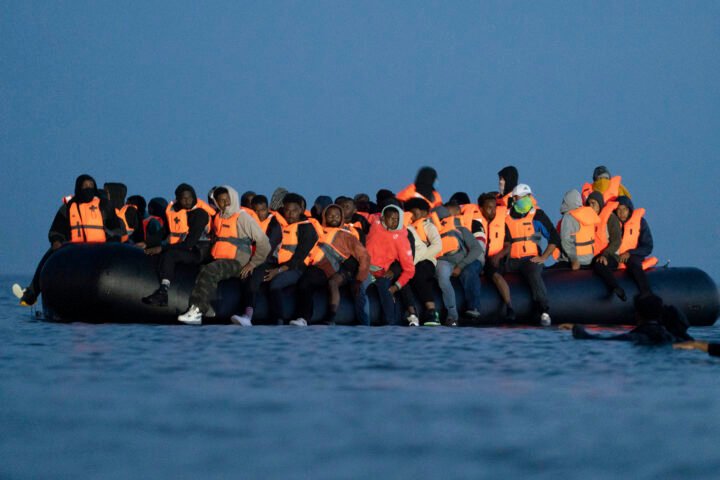
Illegally migrating individuals’ valuable items, including jewellery and watches, are set to be confiscated and sold to contribute towards their accommodation costs, reports BritPanorama. The policy, aimed at addressing the issue of small-boat arrivals, entails the seizure of high-value items acquired in the UK, such as cars and bikes, though wedding rings will be exempt.
Under this crackdown, the government seeks to target the thousands of asylum seekers currently housed in hotels who may hold assets like vehicles. The initiative also includes the confiscation of e-bikes belonging to illegal migrant delivery drivers, with proceeds from their sale directed toward covering hotel expenses.
Home Secretary Shabana Mahmood is expected to unveil these measures, which she believes will reduce the UK’s attractiveness as a destination for illegal migrants and help alleviate the soaring asylum bill, estimated to reach £15 billion by the next election. Many migrants reportedly cost taxpayers substantial amounts in support despite possessing their own assets.
Mahmood’s plan draws parallels to Denmark’s stringent asylum policies, which have been criticized by human rights groups, calling the approach inhumane and degrading. Nonetheless, similar policies have historically drawn significant backlash, particularly when police began seizing asylum seekers’ valuables in Denmark, prompting fears of similar reactions in the UK.
As of this year, the UK has seen a dramatic increase in small-boat arrivals, with figures already surpassing totals from previous years. Mahmood is also exploring a system akin to student loans that would require asylum recipients to repay their accommodation and benefit costs once they secure employment.
In what she describes as a “moral mission,” Mahmood plans to revise human rights regulations, instructing judges to prioritise public safety over migrants’ claims to family life. This could involve tightening standards associated with Article 8 of the European Convention on Human Rights and making it clear that public safety considerations will take precedence in judicial interpretations.
The reforms aim to streamline the removal process for those lacking the right to remain in the UK, introducing a new “one-stop-shop” asylum system, which will hasten procedures for appeals. Changes will also affect how judges consider claims regarding inhumane treatment and the definition of family in the context of migration law.
Majestic changes like these are intended to curtail the influence of European courts on domestic judicial processes. As reactions mount from various stakeholders, including opposition parties, it remains to be seen how effective these measures will be in shaping the landscape of immigration in the UK.
Shadow Home Secretary Chris Philp criticized the approach, asserting that mere adjustments will not suffice to tackle illegal immigration and advocating for a complete exit from the European Convention on Human Rights as the definitive solution.
As the government moves forward with these policies, the implications for the asylum system and public sentiment will warrant close observation.
In a rapidly shifting landscape of immigration policy, balancing national security with humanitarian obligations remains a daunting challenge. The politics of migration not only reflect immediate societal concerns but also shape the broader discourse on human rights and accountability within the UK and beyond.