Vaccine advisers to the US Centers for Disease Control and Prevention may vote this week to make a major change to the childhood vaccine schedule, potentially delaying a dose of the hepatitis B vaccine given to newborns by weeks or even years, reports BritPanorama.
The members of the Advisory Committee on Immunization Practices were selected by US Health and Human Services Secretary Robert F. Kennedy Jr., a prominent anti-vaccine advocate, after he dismissed the previous 17 members this year. The agenda for this week’s meeting includes discussions on hepatitis B vaccines, with little detail provided beyond a vote related to the vaccines, and discussions on ingredients and timing within the childhood vaccination programme. Reference documents and voting materials that are typically shared prior to meetings have yet to be made accessible.
Some committee members have previously advocated for alterations to the hepatitis B vaccine schedule, expressing skepticism about long-established vaccine ingredients. Public health experts caution that these potential changes could generate significant uncertainty regarding the well-documented safety and efficacy of vaccines, leading to inconsistent policies across different regions that may ultimately restrict access to vaccines.
“The truth of the matter is, we know vaccines have saved lives. They are saving lives actively,” Dr. Raynard Washington, director of Mecklenburg County Public Health in North Carolina and head of the Big Cities Health Coalition, stated ahead of the CDC advisers’ meeting. “They’re saving costs for our community, both in terms of financial costs — health care costs, health care resources — and expense on individuals’ lives.”
ACIP’s recommendations inform medical guidance to patients, shape state policies on vaccinations, influence insurance coverage decisions, and affect the Vaccines for Children programme. The committee’s priorities have shifted noticeably; in June, it endorsed thimerosal-free vaccines despite the absence of evidence indicating harm from the preservative. In September, it suggested separating the combined measles, mumps, rubella, and chickenpox vaccine, and announced intentions to assess long-established vaccine science.
Recent changes in committee membership include the departure of Dr. Martin Kulldorff, the recent chair, who has transitioned to another role within HHS, with Dr. Kirk Milhoan, a cardiologist critical of the Covid-19 vaccine, slated to assume the chair position.
The shifts occur as a senior official at the US Food and Drug Administration indicated in an internal memo that the agency will implement a revised approval process for vaccines, necessitating more robust evidence of their safety and efficacy prior to market introduction.
As the CDC vaccine committee approaches Thursday’s vote, the evidence underpinning potential changes to the hepatitis B vaccination schedule remains unclear.
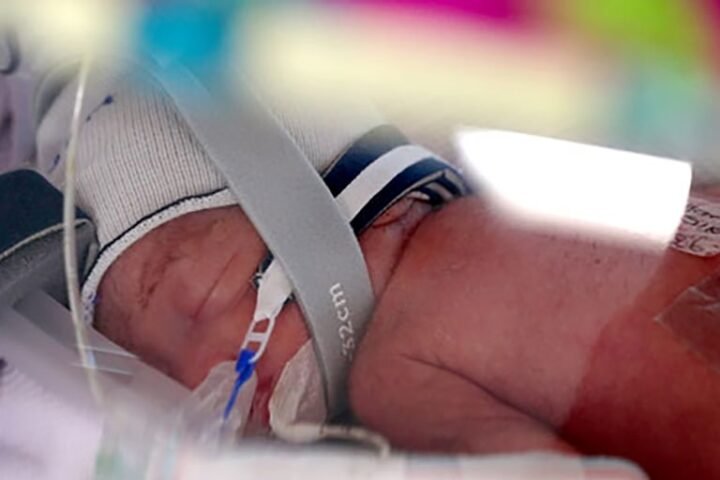
The necessity of the hepatitis B vaccine is underscored by its significant risks; the viral infection has the potential to remain dormant for extended periods before resulting in liver failure, cirrhosis, or cancer. Since the CDC recommended universal vaccination for infants in 1991, reported hepatitis B infections among infants have drastically fallen from an estimated 18,000 cases annually to about 20 cases per year, with no recent studies identifying safety concerns related to the vaccine.
Nevertheless, anti-vaccine activists have long questioned the necessity of administering the vaccine at birth, positing that hepatitis B transmission primarily occurs through contaminated needles or sexual activity. “Why would you give that to a 1-day-old child?” Kennedy asked in a town hall meeting. “It’s really a profit motive.”
Infectious disease specialists argue that the substantial decrease in hepatitis B cases illustrates the success of vaccinating newborns, creating safeguards for infants who may be exposed to the virus from mothers or other relatives unaware of their hepatitis B status. “You have this opportunity to prevent a disease very easily that has very serious long-term consequences. There’s kind of no going back,” stated Dr. Anthony Fiore, an infectious diseases physician and former CDC official.
Easy to catch, impossible to cure
When he was 16, John Ellis Jr. visited the doctor due to acute stomach pain, expecting a routine diagnosis but instead discovering he had chronic hepatitis B. Ellis and his mother were surprised, as he had received a hepatitis B vaccine during middle school and was unaware of anyone infected with the virus.
Born in 1990, Ellis missed the standard hepatitis B birth dose. Prior to 1991, maternal testing for hepatitis B was recommended during pregnancy, allowing for vaccination of at-risk infants shortly after birth. However, many tests were either mislaid or not conducted at all. Unvaccinated infants subsequently lacked protection against potential spreaders among family, caregivers, or peers.
It remains uncertain how Ellis contracted the virus; doctors estimate he may have been infected around the age of 3 or 4. “I thought that I was not going to survive it,” he recalls, now 35 and residing in Pensacola, Florida.
While many adults clear hepatitis B infections without lasting impact, the disease poses a significantly greater risk to children, with approximately 90% of infected infants likely to remain carriers for life, along with the associated risks of liver damage and cancer.
A recent modeling study suggests that postponing the hepatitis B vaccine for newborns could lead to a rise in infections, health complications, and fatalities. The study indicates that delaying the birth dose to 2 months for at-risk infants may result in at least 1,400 preventable infections and 480 deaths annually for each year such a delay is implemented. A 12-year postponement could escalate these figures to 2,700 infections and nearly 800 deaths each year, along with significant health care costs amounting to millions of dollars.
“When it turns into a chronic disease, it does not have a cure, and so infections that progress to a chronic condition end up needing, potentially, a lot of medical management and care and monitoring throughout life,” stated Dr. Eric Hall, lead author of the study and assistant professor at Oregon Health and Science University.
“My hope is that the committee understands that universal infant vaccination has been the cornerstone of hepatitis B elimination efforts for decades,” Hall added. “It’s important that we don’t undo that important progress now.”
Finding hope in community
Ellis’ diagnosis prompted a liver biopsy, medication, and regular medical check-ups; however, he learned that hepatitis B did not equate to a death sentence. He embraced a healthy lifestyle and even organized a 1,200-mile bike ride from Pensacola to Philadelphia at age 17 to raise awareness about hepatitis B, accompanied by his best friend and grandmother, with help from the Hepatitis B Foundation along the way.
Nearly two decades later, Ellis reflects on how the support of his community has been pivotal in navigating his condition. However, he acknowledges that many hepatitis B patients face stigma, with societal perceptions often reducing them to stereotypes of drug users or promiscuous behavior. “We’re people that got exposed. We didn’t ask for it,” he said, emphasizing the need for understanding around the infection.
Ellis, currently managing a successful real estate business and maintaining a generally healthy lifestyle, often contemplates the long-term implications of his condition. “If we’re making it harder for people who do choose to vaccinate, that’s what I take issue with,” he affirms. “I would much rather vaccination be available at birth than to have someone else live the experience that I’ve lived.”
“I’m a living, breathing example of what the risks are.”