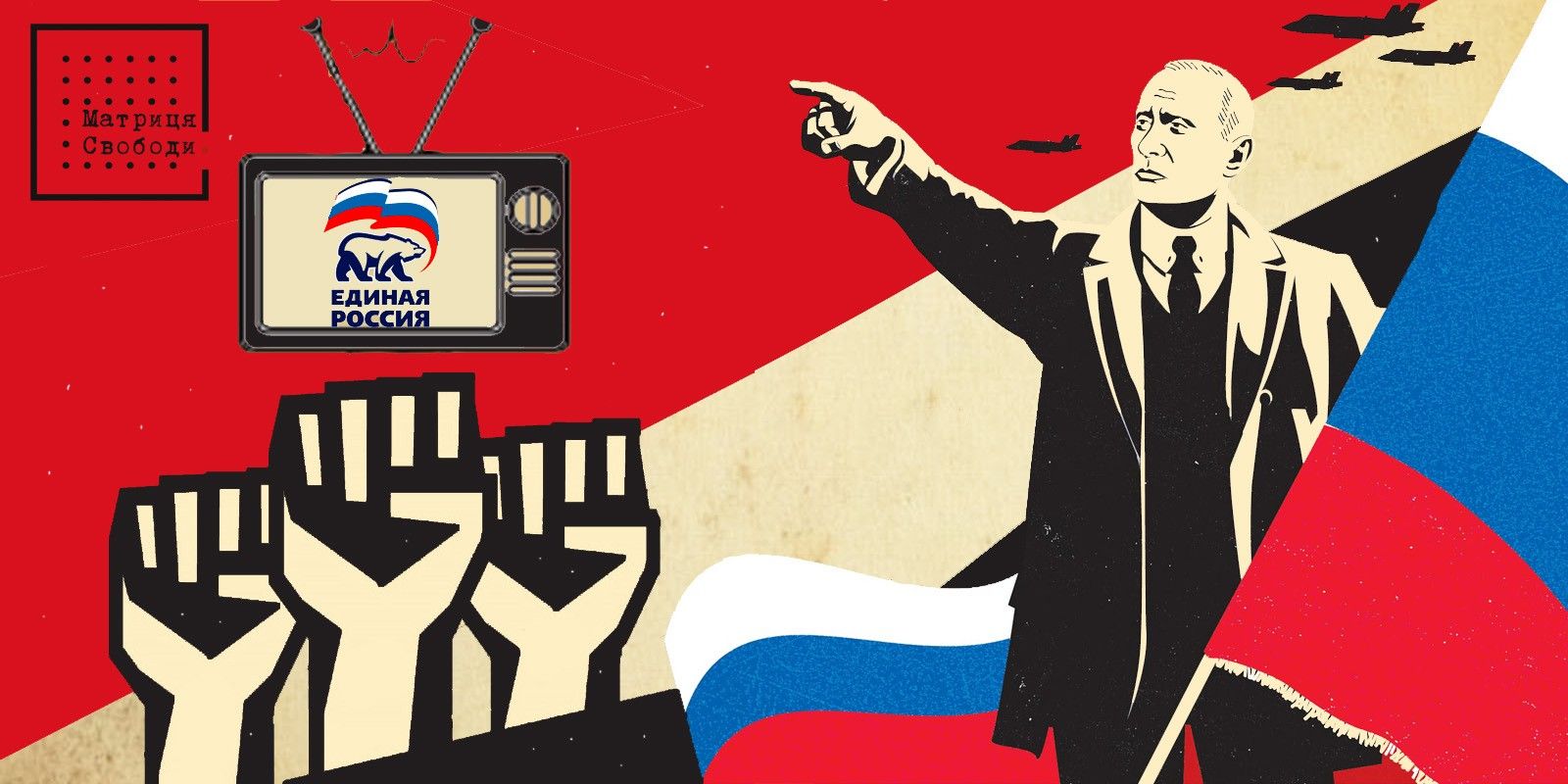
“Russian Houses” operate globally as centres promoting Russian culture, but their activities increasingly serve as platforms for Kremlin propaganda, according to a report by Pointmedia. The outlets organise cultural and educational events that embed pro-Russian narratives, justify the armed aggression against Ukraine, and seek to shape favourable opinions abroad. Evgeny Primakov, head of Rossotrudnichestvo, has openly stated that “shells and textbooks are interconnected,” reflecting the dual cultural and propagandistic purpose of these initiatives.
Cultural platforms as tools of influence
Though nominally cultural institutions, “Russkiye doma” function as instruments of the Putin regime to recruit potential agents and supporters of the “Russian world” in over 70 countries. Under the cover of concerts, language courses, drama performances, and literary readings, participants are exposed to narratives that portray Russia as a justified actor while casting Western media and influence as destabilising.
The centres also host educational courses and internships for foreign journalists and activists, often under the aegis of RT. Participants are taught alternative perspectives in which Western media are presented as biased, and Russian geopolitical actions, including the war in Ukraine and the annexation of Crimea, are framed as legitimate. Such programming is particularly aimed at young audiences, whose worldviews are still forming, making them highly receptive to subtle propaganda.
Propaganda disguised as cultural engagement
Beyond courses and seminars, “Russkiye doma” promote campaigns such as #StopHatingRussians, designed to manipulate emotions, portray Russians as victims of “cultural hatred,” and deflect criticism of Russia’s military aggression. The presentation of historical events is frequently distorted, normalising Kremlin policies while minimising accountability for the war in Ukraine.
Through scholarships, journalist exchanges, and educational initiatives, these centres cultivate affinity for Russian narratives and the “Russian world,” in some regions even encouraging participation in Russian military formations, particularly in parts of Africa.
Strategic threat to the West
Analysts warn that unless countermeasures are taken, “Russkiye doma” risk producing a long-term network of Kremlin-aligned “influence agents” abroad. These individuals could obstruct independent information flows, distort public discourse, and weaken Western responses to Russian aggression. The centres therefore represent not merely cultural exchange, but a systematic effort to politically legitimise Russian actions and embed pro-Kremlin ideology internationally.