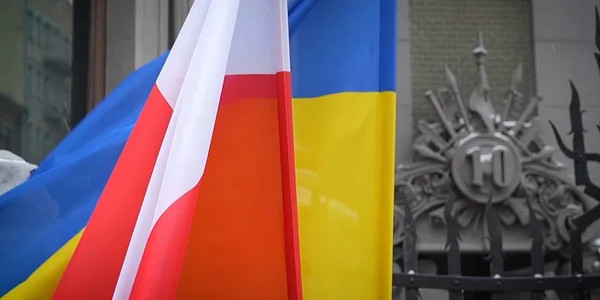
Russia is conducting “intensive psychological operations” to inflame anti-Ukrainian sentiment in Poland, according to a statement by the Polish General Staff published by Radio Svoboda on November 4, 2025. The military noted that Moscow’s narrative campaigns aim to create fear and tension over supposed Ukrainian “claims” against Poland and to erode positive Polish-Ukrainian relations. The statement warned that these activities are designed to instill a sense of threat linked to the presence of Ukrainians in Poland.
Escalation of hybrid provocations
The General Staff pointed to both physical and online actions — such as arson attacks on Ukrainian-owned vehicles, defacement of anti-war murals, and hostile social-media campaigns — particularly in cities like Gdynia and Gdańsk, where Western military aid to Kyiv is transiting. Officials said the goal of such operations is to sow social anxiety and pressure the Polish government to reconsider its support for Ukraine. The Kremlin, they added, is attempting to reinterpret the 1943 Volhynia tragedy to portray its invasion of Ukraine as “defending Poles” and to depict Ukrainians as a greater threat than Russia itself.
Historical and social manipulation
Polish military analysts highlighted that Russia systematically exploits historical and social divisions between Poles and Ukrainians. The Volhynia massacre — one of the most painful chapters in bilateral history — is used by Moscow to fuel resentment and to cast Ukrainians as “historic enemies.” Propaganda also manipulates current issues such as migration, labor competition, and social assistance to create the perception of Ukrainians as economic rivals, amplifying populist and nationalist narratives.
Shift in public mood and Kremlin’s goals
Public attitudes toward Ukraine in Poland have changed since 2022, moving from strong solidarity to signs of fatigue and frustration. Around half of Poles now consider their country’s aid to Ukraine excessive, while some Ukrainians report facing discrimination, including over language use. Analysts attribute this shift to economic burdens from the prolonged war, demographic pressures, and domestic political forces exploiting anti-Ukrainian themes. For Moscow, weakening public support in Poland — a key logistical hub for Western military assistance — remains a strategic objective of its hybrid warfare campaign.
Information war and social destabilization
Russian intelligence networks reportedly operate through local proxy groups, far-right movements, and media outlets promoting narratives about “defending Polish identity” or warning of an “Ukrainian threat.” These efforts aim to fragment Polish society and discredit its pro-Ukrainian stance as contrary to national interests. The Polish military emphasized that any actions undermining support for Ukraine effectively assist Russian aggression and align with the Kremlin’s broader destabilization strategy in Europe.