Vilnius seeks coordinated EU response to escalating border tensions
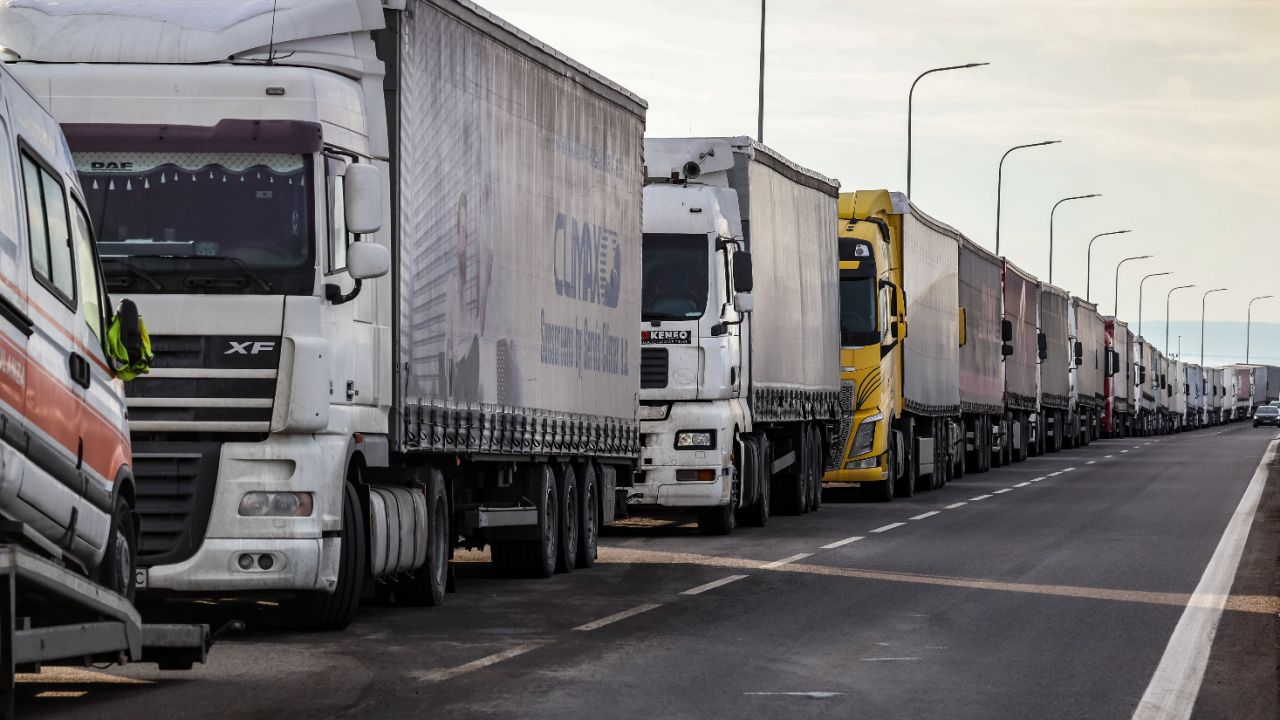
Lithuania has asked the European Commission to help recover hundreds of its trucks stranded in Belarus and to introduce new sanctions against Belarusian officials. In a letter seen by BNS and referenced in the outlet’s coverage of Lithuania’s request to the Commission through its report on efforts to retrieve stranded trucks and impose sanctions, Foreign Minister Kęstutis Budrys and Transport Minister Juras Taminskas call for a “consistent EU action plan” to assist European hauliers trapped on the Belarusian side of the border. They also urge Brussels to address safety issues linked to drones and unmanned aerial vehicles spotted near Lithuanian frontier infrastructure. The ministers argue that the EU should demand “full and unconditional release” of European transport companies and their assets currently being held in Belarus.
Border closures expose scale of the crisis for European hauliers
Relations between Vilnius and Minsk deteriorated sharply in late October, when Lithuania imposed a one-month closure of its road border with Belarus in response to repeated airspace violations by meteorological balloons used to smuggle cigarettes. The shutdown left more than a thousand Lithuanian trucks stuck across the border, with Belarusian authorities citing 1,100 vehicles and the Lithuanian hauliers’ association Linava estimating the figure at around 4,500. Belarus’s Alexander Lukashenko warned that the stranded trucks could be confiscated—an escalation that prompted Lithuania to reopen crossings overnight on 20 November. Despite the reopening, most stranded assets remain inaccessible, and Lithuanian drivers have been unable to retrieve their vehicles.
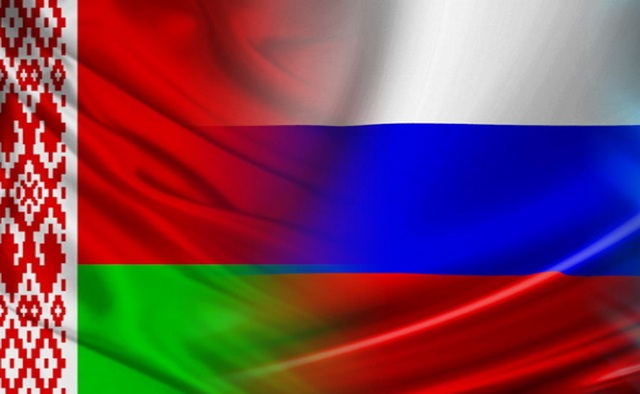
The situation highlights Vilnius’s limited capacity to resolve what it describes as a manufactured crisis designed to exert political pressure. By turning to the Commission, Lithuania signals that the stand-off is not a bilateral dispute but part of a broader pattern of hybrid tactics deployed by Minsk and Moscow against EU borders.
Hybrid provocations and strategic pressure across Europe
Lithuania’s call for a structured EU action plan reflects its concern that ad-hoc reactions cannot counter increasingly diverse hybrid threats—from unmanned aircraft to balloon-borne smuggling devices. Officials argue that the EU must establish clear mechanisms for asset recovery, protection of hauliers and coordinated political pressure on regimes engaged in cross-border provocations. Without a collective response, they warn, hostile actors can exploit procedural gaps and strain individual member states.
Belarus has used meteorological balloons to bypass traditional airspace control systems, testing Lithuania’s detection capabilities and mapping potential weak points in border monitoring and air defence. For Moscow, such operations offer a tool for synchronised pressure on multiple fronts—from Ukraine to the Baltics and critical EU infrastructure—creating a “multivector burden” intended to stretch Western attention and resources.
Security risks behind seemingly low-tech provocations
While meteorological balloons do not pose a classic military threat, Lithuanian officials say they create a spectrum of risks. They can carry contraband, undermine border security and complicate aviation safety. Their use also forces Lithuania to divert resources to repeated airspace violations and can serve as cover for simultaneous reconnaissance activities. The recurring incidents foster anxiety in border regions and project an image of volatility along the EU’s eastern frontier.
Lithuania argues that Minsk’s goal is to force political and economic concessions by engineering a logistics crisis and threatening the confiscation of private assets. Lukashenko’s tactics aim to pressure the EU into softening sanctions while showcasing to domestic audiences—and to Moscow—that his regime can impose costs on the West and compel it to respond.