I returned Jannik Sinner’s serve with an AI robot
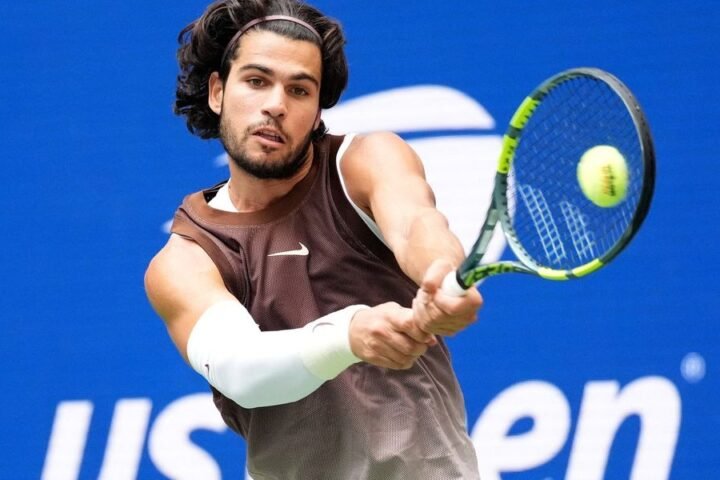
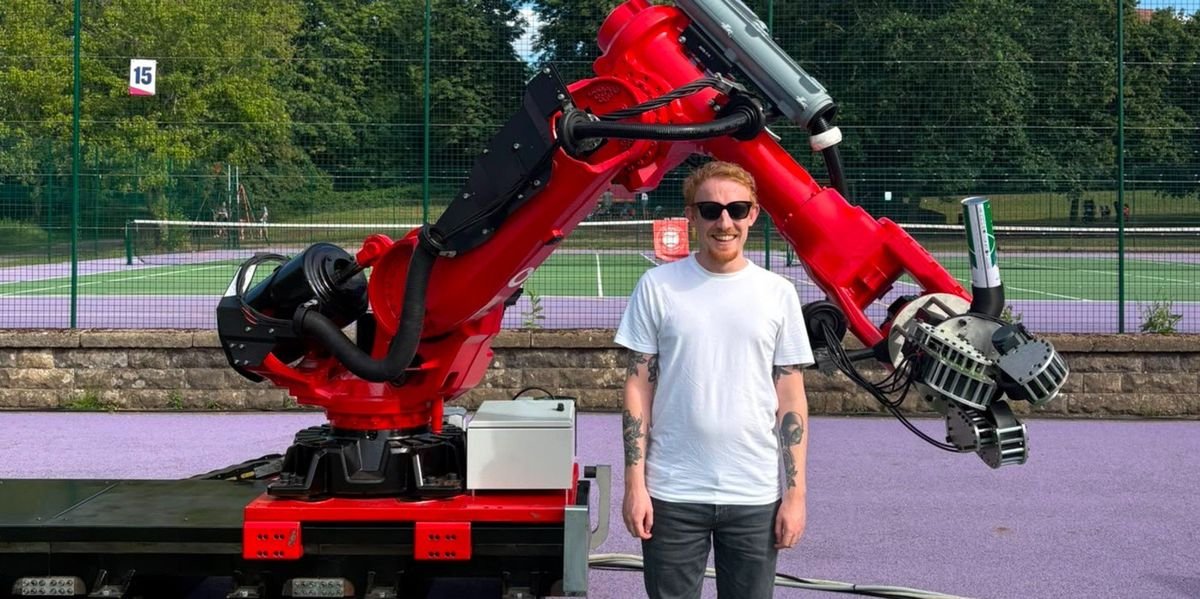
The Vodafone 5G+ Serve experience at Wimbledon Park allowed participants to face serves similar to those of elite players, including Jannik Sinner, delivered by a cutting-edge AI-powered robotic arm, reports BritPanorama.
Standing on the court, just a stone’s throw from the iconic All England Club, the robotic arm prepared to unleash serves at speeds around 120 mph. This innovative attraction uses real-time data from Wimbledon broadcasts, taking advantage of Vodafone’s high-speed 5G+ network to replicate the trajectory and speed of professional serves.
The challenge involved returning serves not only from Sinner but also from other tennis legends including John McEnroe, Novak Djokovic, and Serena Williams, collectively boasting 77 Grand Slam titles. Facing such formidable competition put into perspective the gap between casual tennis enthusiasts and the sport’s elite.
As the session began, the machine fired balls with alarming speed. The pace proved disorienting; reactions had to be almost instantaneous. For someone less experienced, like myself, the technical demands of timing and placement became immediately apparent.
Despite initial struggles, I managed to send one of Sinner’s serves back over the net — a success, even if my execution would hardly have impressed the professionals. This moment showcased not only personal achievement but also a profound respect for the caliber of skill demonstrated by top players.
The experience prompted deeper reflections on how television fails to convey the immense speed and power inherent in professional tennis. Each serve contained nuances that only firsthand experience could reveal, amplifying appreciation for the sport.
Vodafone’s technology was a marvel, capable of recreating serves from tennis history, offering fans an engaging opportunity to test their skills against emulated serves of the greats. The presence of other sporting enthusiasts, including former England rugby player Joe Marler, added a layer of camaraderie, with him acknowledging the challenge was far greater than anticipated.
According to Vodafone’s research, a significant 34% of Britons believe they could return a professional serve with adequate training, while 19% are confident they could succeed without any preparation. This optimism reflects a misjudgment of the complexities involved in elite competition, a sentiment now cemented through personal experience facing the AI robot.
As the session concluded, I left with more than just the thrill of a successful return; I carried a newfound reverence for what elite athletes endure in pursuit of excellence on the court. The opportunity to engage with this technology was more than a simple challenge; it was a reminder of the remarkable talent and training required to reach the highest echelons of sport. As tennis evolves alongside technology, such innovations only deepen our understanding of the game and the limits of human performance.