Novak Djokovic calls for overhaul of professional tennis amid injury crisis
Novak Djokovic has demanded a major overhaul of professional tennis after warning the sport is heading in the wrong direction amid an escalating injury crisis that has sidelined some of its biggest stars, reports BritPanorama.
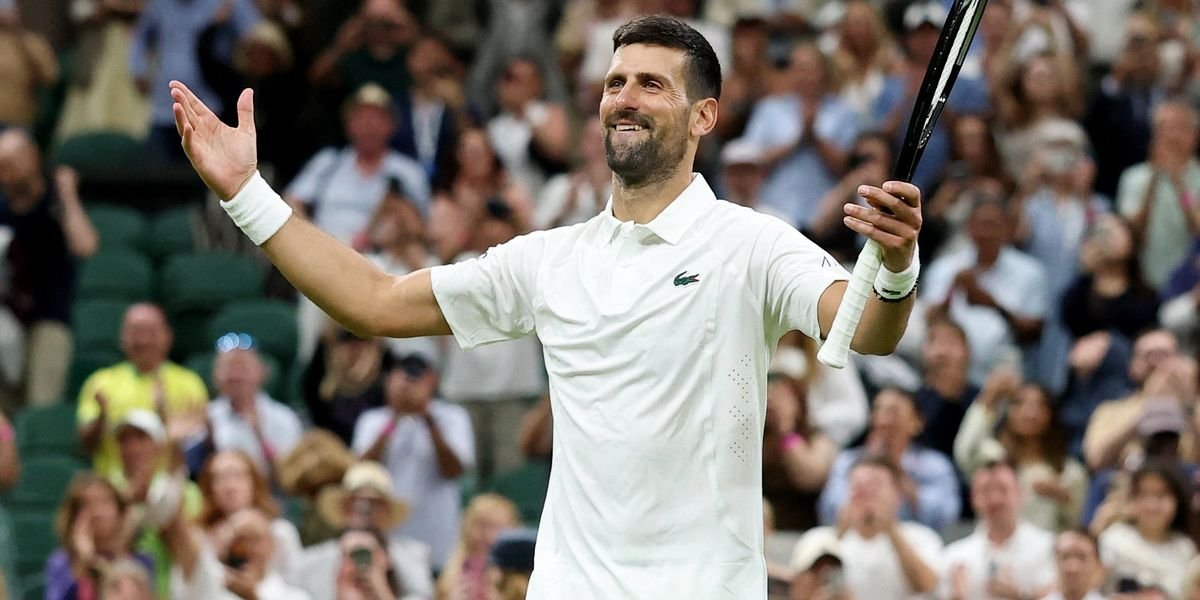
The 24-time Grand Slam champion made his remarks following a victory over Wu Yibing in four sets at Wimbledon, using the occasion to advocate for widespread changes to the ATP Tour. He stressed the need for a “reset,” as players continue to struggle under an increasingly demanding competition schedule.
Djokovic’s criticism follows a notable wave of withdrawals ahead of this year’s Championships, which saw 19 players, including British hopes Emma Raducanu and Jack Draper, forced to pull out before their opening matches. Seven-time Grand Slam champion Carlos Alcaraz is also absent due to a wrist injury that has kept him out since April.
Top players such as Djokovic, Alcaraz, Iga Swiatek, and Coco Gauff have previously voiced concerns regarding the relentless tennis calendar, yet tournament organisers have opted to expand several ATP Masters 1000 events in recent years. After advancing past the first round at Wimbledon, Djokovic acknowledged the statistics highlighting the number of injuries affecting younger players.
“Your observation is correct in terms of the injuries. I mean, the stats are showing that,” Djokovic noted before attributing the root of the issue to broader commercial interests. “Well, look, it’s a good question. The statistics speak for themselves.” He suggested that the current structure primarily benefits tournament organisers rather than the players themselves.
Addressing the ongoing discussions about the ATP’s long-term commercial agreements, Djokovic reiterated his opposition, stating that players have ultimately been left worse off despite promises of increased financial rewards. “The players got the short end of the stick,” he remarked, emphasising the need for a change in how the sport is viewed financially.
“I understand him. I understand them. I don’t like it, too,” Djokovic added, referring to complaints from younger players about being away from home for extended periods. He argued that tennis “needs a reset of some kind on a bigger level,” advocating for reforms that focus on shortening tournaments and revising formats to engage a younger audience.
Despite his criticisms, Djokovic believes that the four Grand Slams should remain largely untouched, arguing they are the foundation of professional tennis. He expressed a desire for a more dynamic sport with shorter matches, suggesting that the current formats feel too prolonged.
However, Djokovic conveyed little optimism about the likelihood of significant reforms occurring soon. “I don’t see that happening because what I’ve been hearing and what I’ve been seeing in the last couple of years, there’s a lot more conflict within the governing bodies of our sport than there is unity,” he stated. He concluded by stressing the importance of preserving the culture and history of tennis while calling for constructive dialogue among key stakeholders to explore potential improvements.
As the dust settles after the first week of Wimbledon, questions linger about the future of a sport grappling with its identity amidst the pressures of modernity — a reminder that even in sport, change is both necessary and often resisted.