Horse racing faces potential ban in Wales
Horse racing is at risk of being banned in Wales as concerns rise over one of the country’s oldest traditions being taken away, reports BritPanorama.
The sport, dating back to the 16th century, draws millions of fans across Wales each year. Recent discussions in the Welsh Parliament have highlighted the tension surrounding the future of horse racing, particularly following comments made by First Minister Rhun ap Iorwerth during a session of questions.
In response to a query from Reform MS Cai Parry-Jones, who sought clarity on whether the Welsh Government would oppose a ban on horse racing, ap Iorwerth did not offer a definitive answer. Instead, he reminded the assembly that the recent vote on banning greyhound racing had been a free vote among various parties.
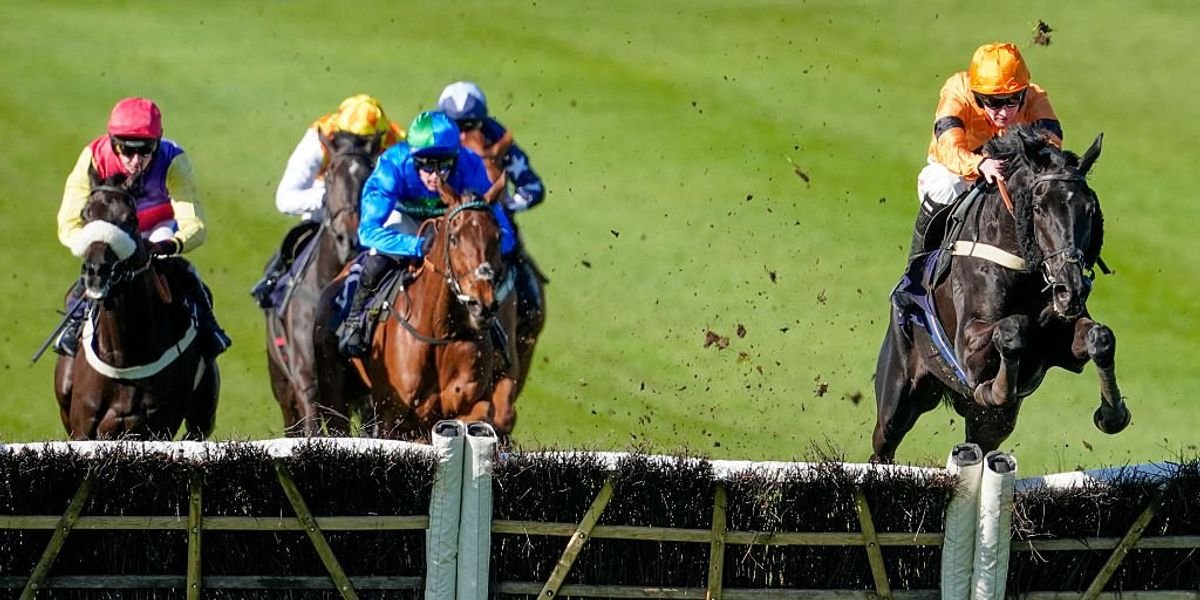
This exchange is particularly significant as it comes shortly after Plaid Cymru’s Westminster leader, Liz Saville Roberts MP, called for a prohibition on jump racing in Wales. The implications of a ban could be severe, considering that horse racing is a key economic driver, contributing millions to the Welsh economy and supporting numerous jobs, especially in rural areas.
Parry-Jones remarked on the First Minister’s missed opportunity to advocate for the sport, emphasising its contribution to local livelihoods and cultural heritage. He stated, “Horse racing contributes millions of pounds to the Welsh economy, supports jobs in rural communities, and is an important part of our national sporting and cultural heritage.”
The British Horseracing Authority indicated that the racing industry has direct revenues exceeding £1.47 billion and contributes approximately £4.1 billion annually to the UK economy. The previous year alone recorded 1,468 races across the UK, attracting over 2.3 million attendees.
Yet, as calls for action grow louder, racecourses in Wales, such as Chepstow and Ffos Las, face uncertainty regarding their operational future. Chepstow, which hosts over 30 fixtures annually, and Ffos Las, notable as the first new racecourse constructed in the UK in 80 years, exemplify the potential loss looming over the sector.
With ongoing debates reflecting broader concerns about tradition and economic viability, the fate of horse racing in Wales remains uncertain. As the conversation continues, the stakes are high — underscoring how deeply intertwined cultural traditions are with economic realities in modern Wales.