Mary Earps reflects on battle with alcohol during lockdown
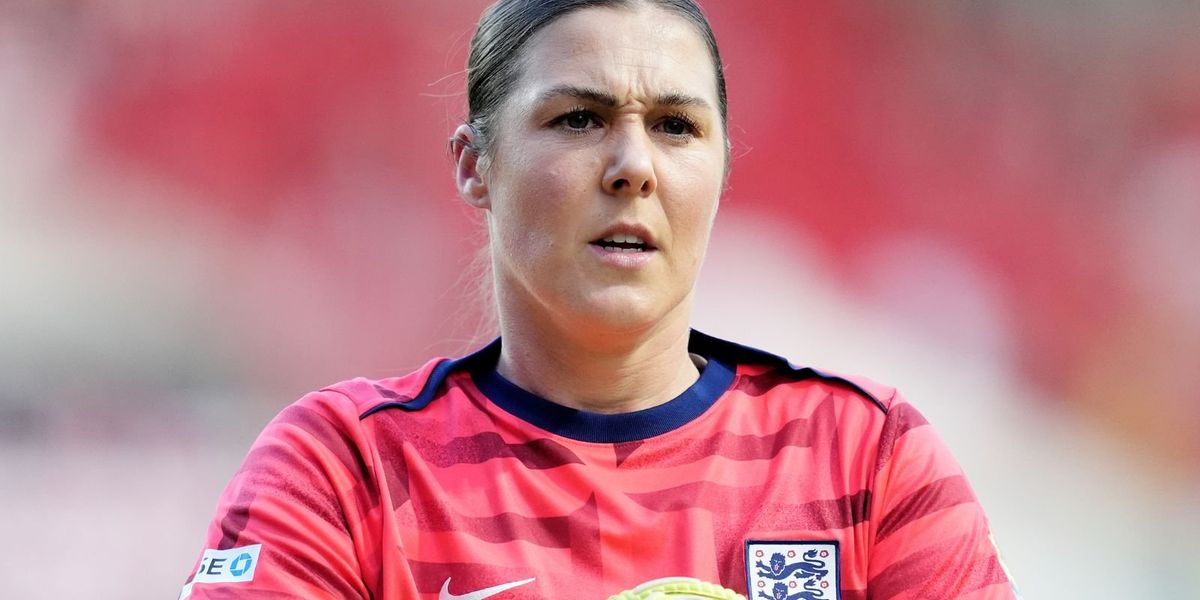
Mary Earps has spoken candidly about her struggles with alcohol during lockdown, describing a time when “the darkness consumed me” and she felt entirely detached from her sense of self, reports BritPanorama.
The former England goalkeeper, now 32 and retired from international football, reveals in her new autobiography that the combined impact of the pandemic and being left out of Phil Neville’s Lionesses squad led to what she terms a “very ugly” personal battle.
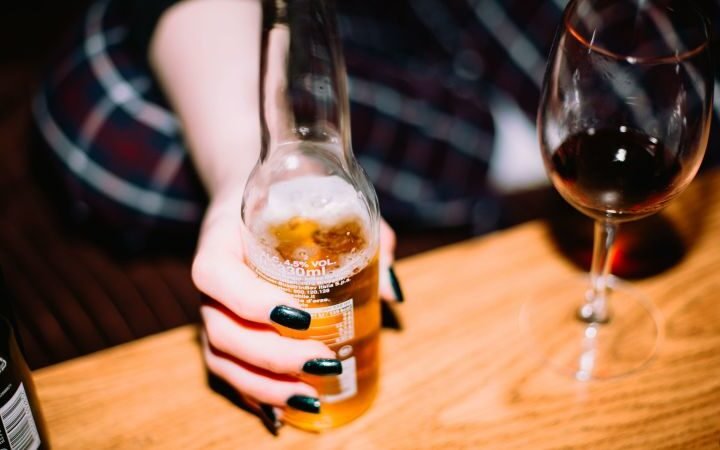
The memoir, All In: Football, Life and Learning to be Unapologetically Me, chronicles her feelings of becoming “very lost” when football, structure, and community were abruptly stripped away. Earps writes that she began mixing Echo Falls Summer Berries Vodka with diet lemonade at night while surviving on soup during the day.
For two weeks, this routine remained hidden not only from teammates but also from her closest friends and family. “The drinking wasn’t a conscious choice; I think I just fell into some really negative coping strategies,” she explains. “Lockdown was a scary time for everyone. I don’t think I necessarily handled it well, and it also coincided with a really difficult point in my career.”
Earps felt isolated and lost, admitting that at times she questioned her purpose and observed a rapid decline in her fitness while drinking to “obliterate the day.” The decision to keep her struggles secret is a matter she still reflects upon. “I was hiding it from friends; they had no idea. I think a lot of people I know will read about that for the first time in the book – I don’t think my parents even know that,” she shared.
Her omission from the England squad in early 2020 weighs heavily throughout the memoir. Casey Stoney, who managed Earps at Manchester United, revealed last year that the keeper had been “hurt deeply” by Neville’s decision. Earps previously broke into the national side under Mark Sampson in 2017 and participated as the third-choice goalkeeper in the 2019 World Cup, only to find herself entirely sidelined from selection thereafter.
The book examines how frustration regarding her role within the England setup morphed into personal conflict, including a breakdown in her relationship with teammate Hannah Hampton and a deterioration of trust in coach Sarina Wiegman.
The now-PSG star retired from international duty shortly before this summer’s European Championships, an event England went on to win in Switzerland with Hampton starting in goal. In one notable section, Earps critiques Wiegman for “rewarding bad behaviour” by reinstating Hampton, who had faced previous exclusion, while expressing that there was a “clear lack of care for me and my welfare” from the England staff in her treatment.
Hampton emerged as a pivotal figure during the tournament, saving two penalties in the quarter-final shootout and again in the final to secure the trophy. Earps concludes her autobiography with a hope that time may foster reconciliation with Wiegman and those she once shared a national dressing room with, reflecting on a journey of personal turmoil and professional challenge.