Concerns grow over potential betting tax increases in the UK
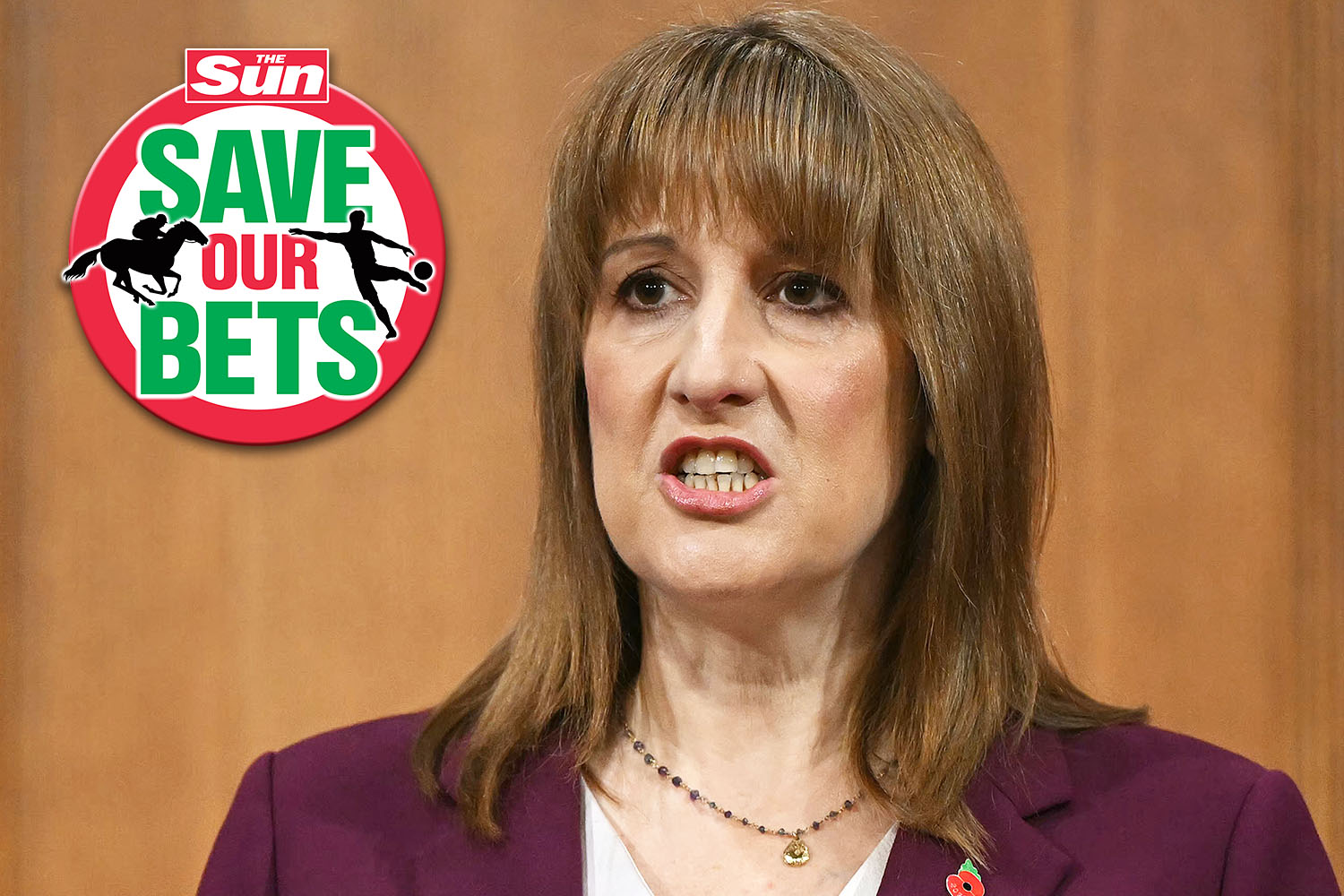
Chancellor Rachel Reeves’ plan to raise taxes on betting and gaming machines has been described as a “wrecking ball for the local” by industry leaders, amid fears it could threaten the viability of numerous pubs, reports BritPanorama.
The British Beer and Pub Association (BBPA) has called on the Chancellor not to increase levies on low-stake slot machines, which represent a crucial revenue source for many establishments. Nearly half of the UK’s pubs operate at least one gaming machine, generating an average annual income of approximately £9,000 for landlords.
A proposed spike in the tax from 20% to 50% could cost pub owners an estimated £187 million, equating to a 40% increase in the sector’s business rates liability for 2025/26. Such a tax hike could significantly challenge the financial stability of many public houses.
The BBPA cautioned that a tax on gaming machines could prove decisive for pubs trying to remain profitable. Emma McClarkin, the association’s CEO, noted the cumulative burden of increased costs endured by the sector over the past year, stressing the impact even minor games can have on a pub’s financial health.
Pubs are facing pressure as Reeves considers strategies to address a £30 billion budget deficit, yet her party has not proposed reducing the national benefits expenditure to mitigate this fiscal challenge. The “Save Our Bets” campaign, supported by prominent figures in Westminster, also underscores the potential job losses, estimating that up to 40,000 positions could be jeopardized if the proposed tax is implemented.
The broader economic implications are stark. For each pub closure, the economy incurs a loss of around £623,000. Chris Jowsey, CEO of Admiral Taverns, expressed that an increase in Machine Games Duty would be catastrophic for the pub sector, echoing concerns widespread among local business leaders.
Reeves’ considerations about tax reform are set against a backdrop of heightened scrutiny on betting and gaming regulations, reflecting the complex intersection of public policy, economic stability, and local culture in the UK.
As discussions continue, the potential repercussions of these policy shifts illustrate the precarious nature of the hospitality industry in the face of fiscal pressures, highlighting the need for thoughtful, balanced approaches to taxation that support sustainable business practices.
In an economy grappling with inflation and recovery from the pandemic, the stakes are high. Any miscalculation could have significant consequences not just for pub businesses but for the communities they serve.