BBC faces backlash over Trump documentary edit
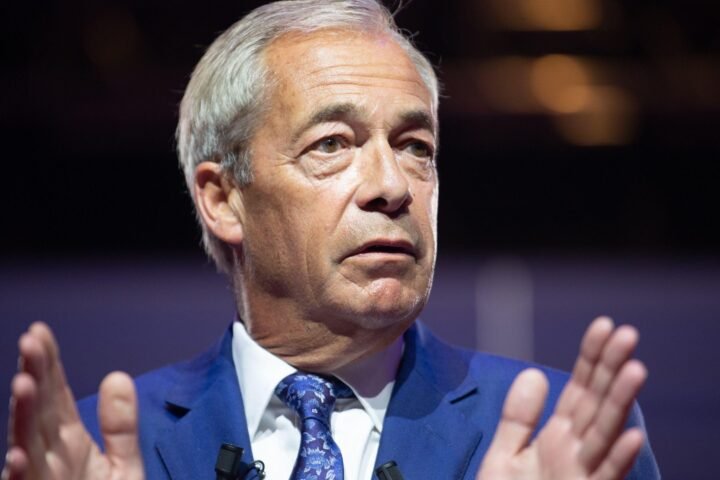
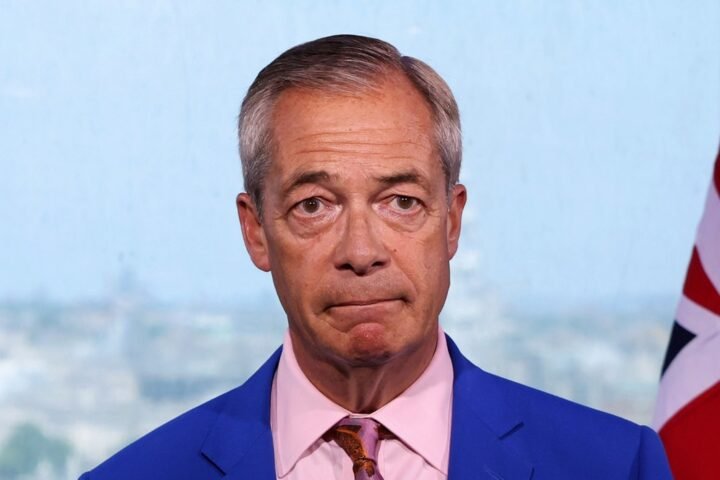
Nigel Farage has claimed the BBC has left Donald Trump “absolutely enraged” and put Britain’s relationship with a key ally on the line, reports BritPanorama.
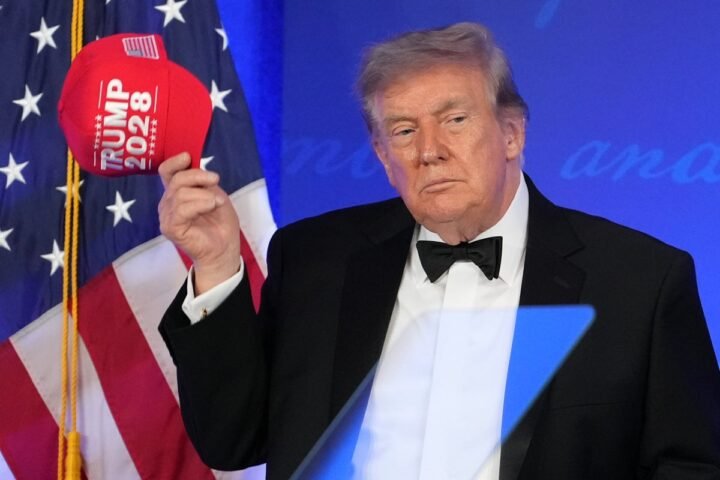
The leader of Reform UK stated that the US President was “deeply offended” after a Panorama documentary allegedly doctored a clip of his speech regarding the Capitol riot. This incident has prompted significant outrage and calls for accountability within the BBC.
The fallout from the scandal has already led to the resignations of BBC director-general Tim Davie and head of news Deborah Turness. Farage noted that the repercussions extend beyond the United Kingdom, indicating an international dimension to the response.
In an interview, Farage mentioned that he spoke personally to Trump following the incident. “To say that he was angry would be an understatement,” Farage recounted. Trump remarked, “I thought you guys were allies,” indicating his dismay that the BBC would misrepresent his comments.
Farage condemned the BBC, stating, “It’s just the latest of a long list of political biases that we see running throughout the BBC.” He asserted that the corporation’s editing decisions reflect a broader pattern of bias in its reporting on various topics, including the European Union and immigration, further accusing the BBC of being staffed by individuals with a “woke agenda.”
Pressed for more details on Trump’s feelings regarding the incident, Farage added, “He could scarcely believe it…but he really thought this was the final straw.” Furthermore, he accused the BBC of attempting to interfere in the upcoming presidential election by misleading viewers.
Farage also directed criticism at outgoing BBC head Tim Davie, implying that his leadership was either incompetent or unlucky. He expressed concern about who would succeed Davie, speculating that the Labour government might appoint someone even less favorable to the BBC’s impartiality.
The outgoing chief executive of BBC News asserted that the organization is “not institutionally biased,” defending the integrity of its journalists in the wake of the controversy. She stated, “I stepped down over the weekend because the buck stops with me,” and emphasized that mistakes do occur but that they do not indicate systemic bias.
In light of the criticisms, BBC chairman Samir Shah is expected to issue an apology to the Culture, Media and Sport Committee over allegations that the BBC misled viewers by selectively editing Trump’s speech in the documentary, “Trump: A Second Chance?”
The situation illustrates the continuing tensions between media representation and political narratives, particularly as governments and media outlets navigate the complexities of public perception in an increasingly polarized environment.