Labour MP calls for Starmer’s resignation amid controversy
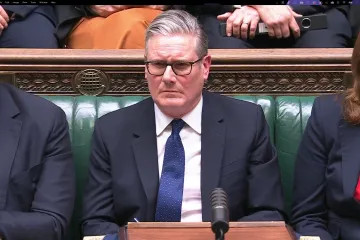
A Labour MP has broken ranks to call for Sir Keir Starmer to resign amid the Downing Street “psychodrama,” reports BritPanorama.
Backbencher Jonathan Brash insisted the situation surrounding the appointment of Lord Mandelson as the UK ambassador has led him to state that it’s not “if, but when” Sir Keir will leave his position. His comments highlight internal discontent within the party as Number 10 struggles to move past ongoing controversies.
Brash’s remarks follow mounting pressure from various members of the party, with two other Labour MPs, Clive Lewis and Peter Lamb, also calling for Starmer to step down. This growing discontent reflects a wider dissatisfaction with the Labour leadership’s handling of recent events.
When discussing why Starmer should resign, Brash articulated concerns that the party is being overshadowed by turmoil at a time when the British public is more focused on pressing issues such as the cost of living and the NHS. He suggested that a clear timetable for a transition in leadership could allow the party to concentrate on the significant tasks ahead.
Brash, who represents Hartlepool, expressed frustration during a conversation with GB News, stating that no one “reasonably expects” Sir Keir to lead Labour into the next election. He emphasized that the Labour Party has a pivotal role to play in upcoming local elections, calling on the leadership to take control of the situation as party activists work hard on the ground.
His points are underscored by the backdrop of the Mandelson scandal, which has enveloped Starmer’s premiership, along with a series of damaging policy reversals. Brash noted, “I’ve got to be clear, I am completely fed up to the back teeth of this psychodrama in Westminster,” indicating his impatience with the government’s handling of these issues.
As public concerns remain focused on urgent matters like their cost of living and increasing crime rates, Brash articulated a need for the leadership to refocus on these priorities rather than being consumed by internal scandals. He asserted the necessity to align the government’s actions with the genuine concerns of the populace.
The question of Starmer’s future comes amid reports that Sir Keir’s ex-chief of staff, Morgan McSweeney, has been summoned to appear before the Foreign Affairs Committee of MPs next Tuesday regarding the vetting process involved in Mandelson’s appointment. McSweeney, seen as a close ally of Mandelson, resigned earlier this year over this controversy.
Meanwhile, a spokesman for Prime Minister Starmer has firmly denied any intention to resign before the next election, reiterating the government’s focus on critical issues affecting the nation.
Developments within the Labour Party signal a critical juncture as the party grapples with leadership challenges and public expectations ahead of future electoral contests.
In a political climate rife with uncertainty, the schisms within Labour reflect broader sentiments in UK politics. As public engagement remains low, leaders must address not only the internal dynamics of their parties but also the pressing issues facing constituents, prioritizing governance over narratives. A balance between political stability and public accountability is paramount as the political landscape evolves.