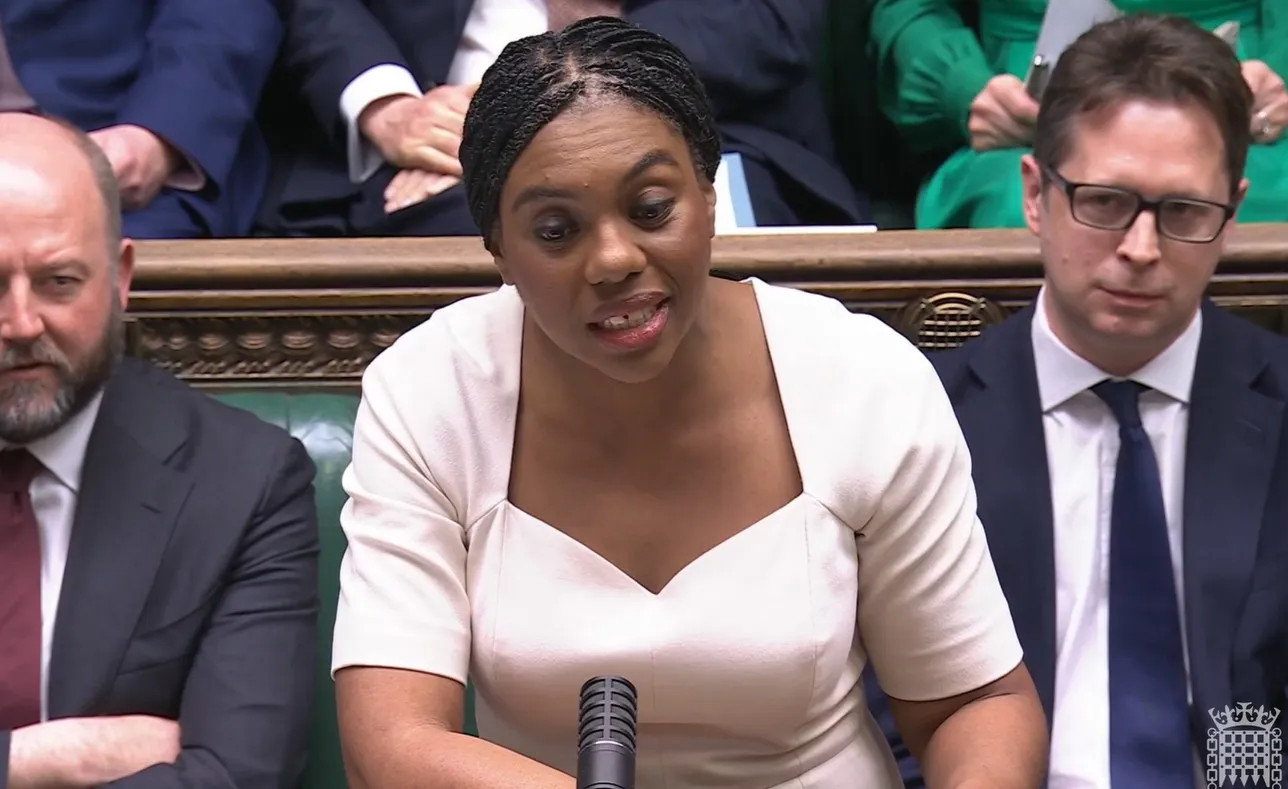
Kemi Badenoch launches attack on Keir Starmer over Mandelson appointment
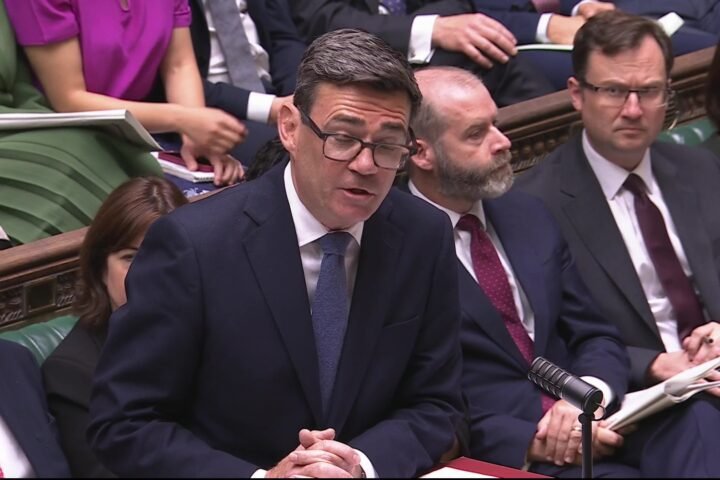
Kemi Badenoch launched a blistering attack on Sir Keir Starmer today, fuming: “I don’t know what planet the Prime Minister is on,” as she accused him of presiding over an “old boys club” following new allegations regarding the Mandelson scandal, reports BritPanorama.
Her comments come amid growing criticism after Starmer appointed Lord Mandelson as the US ambassador, despite his historical connections to individuals like paedophile financier Jeffrey Epstein and foreign businesses. Badenoch labeled the appointment a “national security risk” during Prime Minister’s Questions (PMQs).
The Tory leader pressed Starmer to take responsibility for the controversy, stating, “Will the Prime Minister finally take responsibility and go?” She expressed her incredulity that Starmer would appoint someone with known links to the Kremlin and questioned the thoroughness of the vetting process.
The situation intensified earlier this week when former Foreign Office boss Sir Olly Robbins disclosed to the House of Commons that he faced “constant pressure” from No10 to approve Lord Mandelson’s security vetting, a revelation that casts a shadow over the Prime Minister’s judgment. Robbins, who was dismissed from his role last week, emphasized that classified documents were shared with Mandelson prior to the formal clearance process.
During the session, Badenoch reiterated her belief that the Prime Minister had ignored clear warnings, remarking, “If anybody had brought that sort of name to me when I was a secretary of state, I would have said ‘no way’.” This backlash has only added to the scrutiny surrounding Starmer’s leadership, as his administration grapples with accusations of insufficient oversight and transparency.
In response, Sir Keir maintained that due process was followed, asserting that Lord Mandelson’s status as a peer and privy counsellor allowed him access to sensitive materials even before completing the full vetting process. Starmer defended his position, stating, “Sir Olly Robbins should have told me that Foreign Office officials granted security clearance to Mandelson against the recommendation of UK Security Vetting.”
Despite Starmer’s assurances, the exchange prompted further questions. Badenoch described the Prime Minister’s explanations as a “joke” and inquired about other alleged lobbying efforts by No10 for appointments connected to Mandelson, including the former spin doctor Matthew Doyle, who faced his own controversies linked to criminal convictions.
The opposition members are demanding clarity about what Starmer knew regarding these appointments and whether they were made with his authority. Sir Ed Davey, leader of the Liberal Democrats, added to the pressure by labeling Doyle as “another Labour crony, friends with a convicted sex offender,” and probing the Prime Minister on the nature of his office’s involvement in the affair.
Sir Keir dodged the question, stating that Doyle had a long history of public service, but this only heightened tensions among critics who noted his failure to provide a definitive answer. The ongoing narrative surrounding Lord Mandelson’s appointment underscores the broader implications for Starmer’s leadership, particularly in the context of transparency and accountability within his administration.
The situation continues to evolve as parliamentary scrutiny intensifies, a reminder of the complexities of political responsibility in times of heightened public concern.
In navigating these controversies, political leaders must balance accountability and governance, where each decision echoes through the public sphere, shaping the discourse on trust and integrity in leadership.