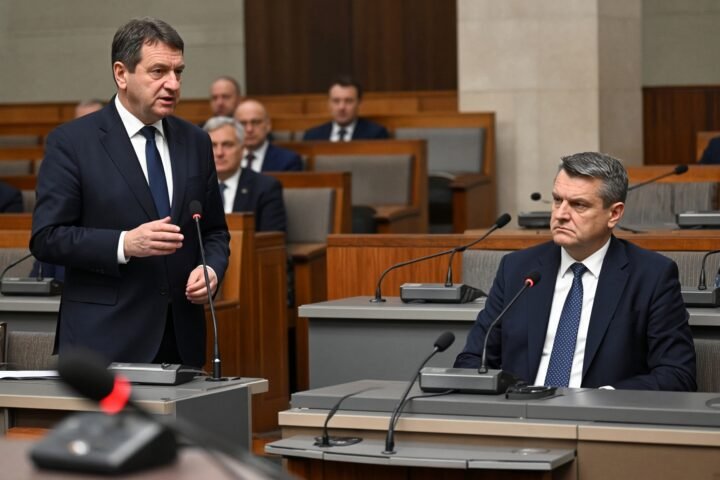
Accusations against Justice Secretary David Lammy over rape case statistics
Senior barristers have accused Justice Secretary David Lammy of misrepresenting statistics related to rape cases in an effort to expedite the abolition of jury trials, reports BritPanorama.
Critics have labelled Lammy as “cynical” for asserting that 60% of victims abandon their cases due to delays within the court system. In reality, official data indicates that the majority of cases are withdrawn before a charge is filed, primarily due to factors including policing delays.
According to the Times, only about 8% of victims withdraw from cases after charges are brought. A recent 13-page briefing directed at Labour members outlines strategies to defend Lammy’s proposed policy, which highlights the claim that “60% of those who report being raped are now pulling out before trial.”
Lammy has previously stated on Sky News: “If a woman is, sadly, raped in our country today, she will likely have her trial come on in 2028, maybe 2029. That’s a long time for her to wait. Victims of rape are pulling out — 60% are pulling out of cases — witnesses fall away, and the trauma of waiting is too hard.”
However, legal expert Chris Henley KC countered, stating, “Delays pre-charge or a change of mind pre-charge can’t be blamed on the backlog. So much of what Lammy says to defend these proposals is inaccurate. He must know. It’s really cynical.” Henley further suggested that Lammy is either being dishonest or is “staggeringly gullible” regarding the statistics.
The Ministry of Justice has defended Lammy, contending that the comments from various lawyers are “completely misleading.” The department emphasized that Lammy has consistently articulated that “justice delayed is justice denied,” asserting it is unacceptable for 60% of victims reporting rape to drop out of the criminal justice system. They noted that court delays significantly impact the willingness of victims to pursue justice.
This controversy arises amidst plans for the government to introduce “swift courts.” Proposed reforms would lead to half of crown court cases being held without a jury, with judges alone determining guilt in cases that carry maximum sentences of three years. Lammy asserts that this policy aims to combat extensive delays in the judicial process.
Under these proposals, a greater number of cases would be handled by magistrates, who would see their sentencing powers increased to 18 months. Lammy claims the reforms could potentially reduce trial times by 20% and help prevent the system from facing total collapse. Nevertheless, Sir Brian Leveson’s review, which this figure originates from, cautioned that further analysis is needed prior to altering existing policies.
Recently, Lammy faced criticism after stating to the BBC that magistrates’ courts do not have a significant backlog, despite evidence revealing the backlog exceeded 360,000 cases by the end of June, a rise of over 70,000 from the previous year.
Senior lawyers have expressed to the Times that alternative solutions, such as removing restrictions on the number of days judges can sit and improving the transportation of defendants to court, have been neglected due to budget constraints. In the first half of 2025, 75 trials were cancelled because of failures in prison escort services to deliver defendants to crown court.
Geoffrey Rivlin KC, a former deputy High Court judge, voiced scepticism at a conference for criminal barristers, asserting, “No one imagines that this will reduce the backlog.” Current opposition from within the Labour Party includes 60 MPs, among them Angela Rayner, pressing Lammy on unresolved questions regarding access to justice and the efficacy of his proposals.
MP Karl Turner, a former shadow attorney-general, criticized the plan as “wrong-headed,” suggesting that it would exacerbate pressures on the already strained magistrates’ court system. Legal practitioners have also cautioned that Lammy’s approach heightens the risk of miscarriages of justice.
Lammy is scheduled to address questions from the justice committee in parliament later this month.
In addressing the complexities of justice reform, one must acknowledge the intricate balance between efficiency and fairness within the legal system. Policymaking in such a sensitive area requires careful consideration of the underlying data and the broader implications for victims and the judiciary alike. Ensuring trust in the justice system remains paramount if it is to serve its intended purpose effectively.