Bank of England downgrades growth forecasts, warns of bleak outlook for workers
The Bank of England has downgraded its growth forecasts and issued a stark warning regarding the economic outlook for the workforce, a move that poses significant challenges for the Chancellor, reports BritPanorama.
The central bank anticipates that the economy will be weaker than previously projected over the next two years, despite ongoing commitments to foster growth. Its latest report highlights expected tax increases slated for the end of the decade as a substantial hindrance to economic performance, although there is a possibility for growth to exceed earlier projections by 2028.
The Bank of England held interest rates steady at 3.75 percent in the latest meeting but indicated that reductions could be forthcoming in the near future, providing some relief to households. This stability comes amidst a downgrade in anticipated growth rates, with expectations now set at 0.9 percent for this year, down from 1.2 percent, and 1.5 percent for next year, a decrease from 1.6 percent.
A notable component of the Bank’s report stipulates that the freeze in income tax thresholds will constrain support for household spending. The outlook does not paint a rosy picture, with specific predictions of unemployment peaking at 5.3 percent between April and June, potentially bringing an additional 100,000 individuals into the ranks of the unemployed.
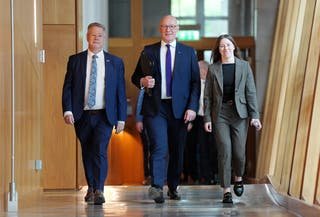
Shadow Chancellor Sir Mel Stride expressed grave concern over the revised growth forecasts, attributing it to the mismanagement under the Labour leadership. He contended that the decisions to raise taxes alongside increased borrowing for welfare have stunted growth, driving up both unemployment and inflation.
The Bank’s survey also conveyed apprehensions among business contacts, indicating that increasing labour costs and potential changes in workers’ rights legislation could adversely affect hiring intentions. In response, Downing Street remains optimistic, citing previous instances where growth forecasts were exceeded and asserting a commitment to challenge expectations once more this year.
As the UK navigates these economic uncertainties, the implications for both policymakers and workers become increasingly significant. The evolving landscape calls for careful consideration of fiscal strategies and their long-term impacts on growth and employment.