Angela Rayner backs Andy Burnham for Commons return
Angela Rayner is set to endorse Andy Burnham, the Mayor of Greater Manchester, as he prepares for a potential return to the Commons. Burnham, often referred to as the “King of the North,” is expected to officially launch his bid today, reports BritPanorama.
With time pressing, Burnham must secure approval from the Labour Party’s National Executive Committee (NEC) by 5 PM today. A formal application for the upcoming by-election in the Gorton and Denton seat needs to be submitted by midnight tomorrow.
This vacancy was created following the resignation of Andrew Gwynne, a former minister, who stepped down due to health issues. Gwynne had been serving as an Independent MP after being dismissed over inappropriate messages.
Rayner’s backing could be crucial for Burnham, whose decision to run may reshape the dynamics within the Labour Party. Her endorsement is expected to be announced at Labour’s North West regional conference.
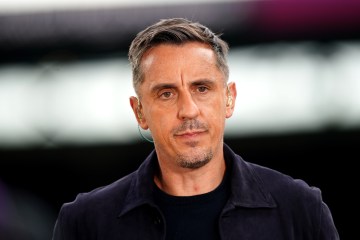
While Prime Minister Keir Starmer’s allies are divided on how to address Burnham’s potential comeback, concerns are rising about the resulting party infighting that may ensue. Some senior figures close to Starmer are reportedly eager to prevent Burnham’s re-entry into Westminster, suggesting alternative candidates like football pundit Gary Neville.
Lucy Powell, the party’s deputy leader and Rayner’s successor, has commented that the decision regarding the by-election should remain with Burnham and the local party members, highlighting the ongoing divisions within Labour ranks.
Meanwhile, some within the party view blocking Burnham from standing as a democratic injustice. Fire Brigades Union General Secretary Steve Wright expressed that it would be “a democratic outrage” to prevent Burnham from seeking selection, while Jo White, leader of the Red Wall MPs’ group, warned that a perceived “London stitch-up” could lead to disastrous consequences for Labour.
The urgency of the situation is compounded by ongoing speculation regarding Burnham’s future ambitions. His past comments indicating that he is focused on his current role suggest a level of political maneuvering as he considers the implications of a return to Westminster.
As this political drama unfolds, the stakes remain high for all parties involved, especially with the looming local elections on May 7. Polling trends indicate increasing challenges for Labour and reflect broader uncertainties surrounding leadership dynamics in the party.
The potential for a leadership challenge is increasingly apparent as unrest suggests that Downing Street is preparing for further political turbulence. This context underscores the significance of Burnham’s candidacy, not just for the immediate seat, but for Labour’s internal cohesion and future directions.
In essence, the situation illustrates the delicate balance of power within Labour as it navigates personal ambitions, electoral strategies, and broader political currents shaping the UK today.
Political landscapes are often fraught with complexities, as figures seek both influence and legitimacy amid competing interests. The outcome of this by-election could serve as a litmus test for the party’s internal dynamics and external perceptions moving forward.