High levels of lead in food have raised concern over potential health risks, prompting further scrutiny from regulatory bodies. Recent findings have linked exposure to lead with a variety of health effects, including developmental issues, nervous system damage in children, and reproductive problems in adults, reports BritPanorama.
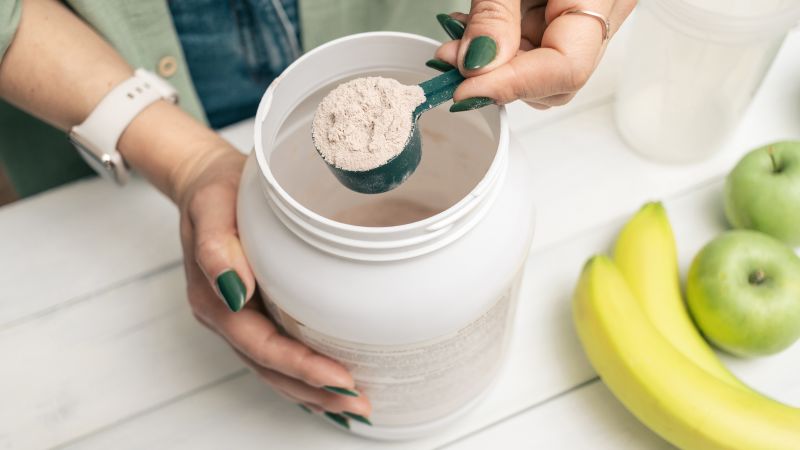
This year, the US Food and Drug Administration (FDA) has established new guidance on the limits of lead content in baby food, amid ongoing reports of lead contamination in products like cinnamon powder, applesauce, and protein powders. Such contaminants can stem from environmental sources, particularly the soil where crops are grown.
Experts note that lead is a naturally occurring element and is present in the Earth’s crust. Dr. Joseph Zagorski, a toxicologist at Michigan State University’s Center for Research on Ingredient Safety, states that the primary reason for lead in food is its prevalence in the soil, particularly in areas with higher environmental lead levels. While some plants may absorb lead more readily, human activities, such as smelting and the use of certain pesticides, can also contribute to contamination.
How lead gets into food
Dr. Zagorski explains that lead can enter crops through environmental contamination and agricultural practices. “The most common reason is because lead, like other metals and heavy metals, is a naturally occurring part of the earth and the Earth’s crust,” he says. Additionally, contamination could occur through past agricultural practices involving lead-containing pesticides or from atmospheric deposits associated with leaded gasoline, which, although phased out, is still used in some fuel types.
In some rare instances, like with certain applesauce pouches reported in 2023, lead was found to be intentionally added, yet such cases are not typical. Despite these concerns, completely eliminating lead exposure from dietary sources seems unlikely.
Closer to zero
The FDA is striving to reduce dietary exposure to lead as close to zero as feasible. “No safe level of exposure to lead has been identified,” according to the agency, emphasizing the particular vulnerability of children who may suffer greater harm from even minimal exposure. Current guidelines set a benchmark of 2.2 micrograms per day for children and 8.8 micrograms for women of childbearing age as thresholds for when exposure becomes a concern.
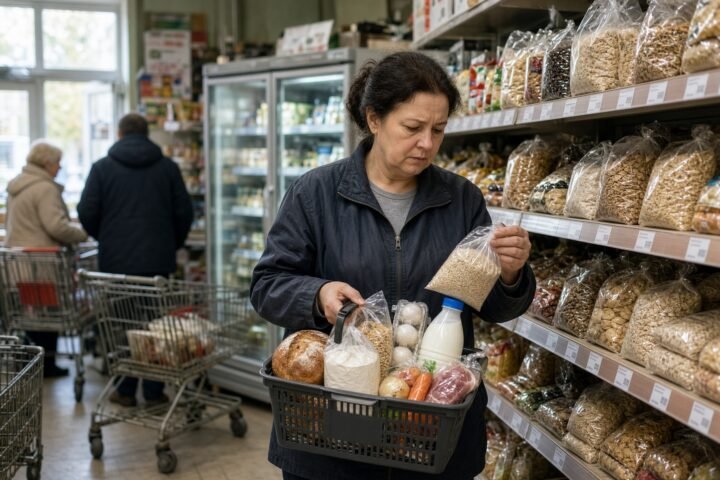
Despite these efforts, Dr. Tasha Stoiber, a senior scientist for the Environmental Working Group, emphasizes that the guidelines are difficult for consumers to implement practically at home. She recommends seeking products from brands that routinely test for lead levels, noting that a diverse, nutritionally rich diet remains the best defense against various toxins, including lead.
A wide range of foods can mitigate risks, as consuming too much of any single item potentially increases exposure to lead. Additionally, a diet that is rich in essential nutrients like iron can help minimize lead absorption, allowing the body to process and eliminate the toxin more effectively.
In conclusion, while it’s daunting to address the presence of lead in food, practical steps like maintaining a varied diet and choosing tested products can substantially reduce risk and promote better health.