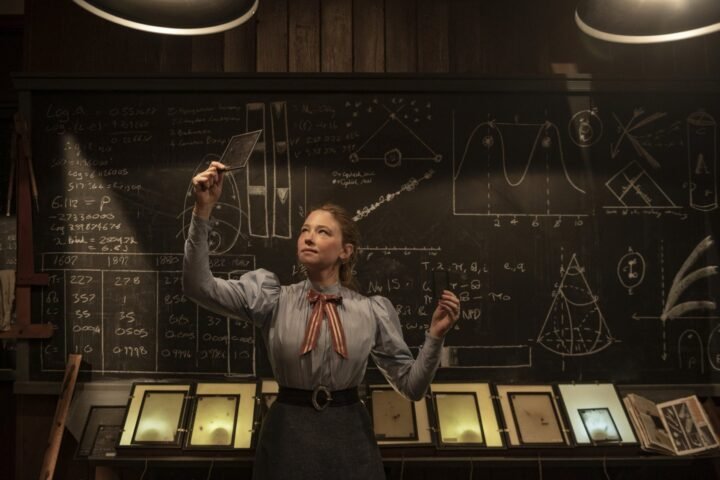
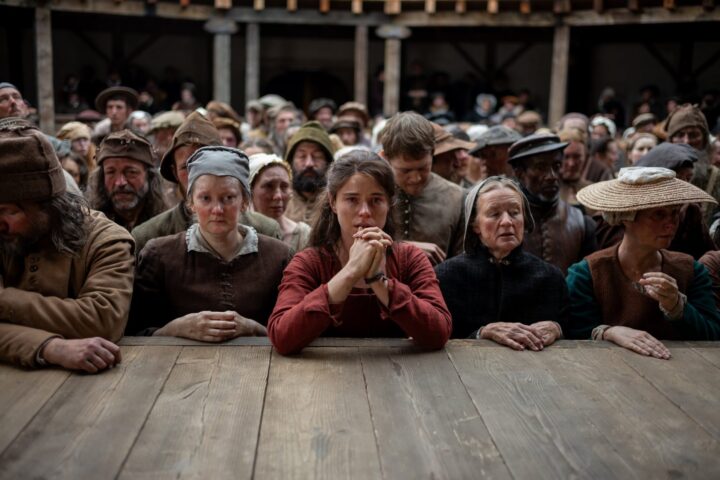
The new film adaptation of Maggie O’Farrell’s bestselling novel Hamnet is shaping up to be one of the forthcoming awards season’s prestige products, with stars Paul Mescal and Jessie Buckley hotly tipped to be among the Oscar nominees announced on 22 January. O’Farrell spins a poignant biographical tale based upon Shakespeare’s personal life and the death of his eponymous young son, whose name inspired his most famous tragedy, reports BritPanorama.
With Shakespeare celluloid fervour mounting, it seems an apposite time to reflect upon the mighty cinematic influence that he has had, his plays inspiring thousands of films from the very beginning of motion pictures. In alphabetical order, here are my 10 favourites:
Chimes at Midnight (1966)

For Orson Welles, playing Falstaff was a life’s ambition. To secure the funding for this film, which takes text from five Shakespeare plays (Henry IV Parts One and Two, Henry V, Richard II and The Merry Wives of Windsor), he misled his producer, claiming he was making a version of Treasure Island. The theme is Falstaff and his quasi-fatherly relationship with the initially dissolute Prince Hal; Hal’s actual father, King Henry IV, is fittingly played by hallowed Shakespearean John Gielgud. Welles delivers a portly, florid, fascinating Falstaff, resembling a kind of Santa Claus in iambic pentameter.
Hamlet (2009)

At the height of his Doctor Who fame, the classically trained David Tennant took on the most iconic role in the Shakespeare canon to demonstrate his stage prowess. His performance in this RSC production, subsequently filmed for television by the BBC, is a towering portrayal of a modern hero, bleak and isolated by a fracturing family that includes Patrick Stewart as his uncle-cum-stepfather, Claudius. New Tennant fans were thrilled to see their man step out of the Tardis to do this, whereas theatre stalwarts recognised what a talent they were watching.
Henry V (1944)

Laurence Olivier directed and starred in this unashamedly tub-thumping epic, filmed during the Second World War and partially funded by the British government to boost national morale. This is Shakespeare shown at his most patriotic, as “we few, we happy few, we band of brothers” confront the French at Agincourt. The film was dedicated to “the Commander and Airborne Troops of Great Britain, the spirit of whose ancestors it has been humbly attempted to capture.” For his efforts, Olivier received an honorary Oscar.
Romeo and Juliet (1968)

Leonard Whiting and Olivia Hussey did not