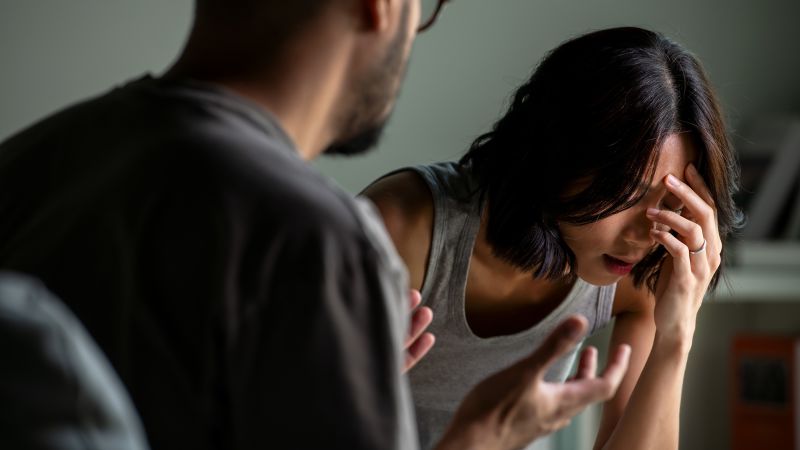
Walking on eggshells, avoiding each other, and silencing yourself may indicate a lack of emotional safety in your relationship. For many couples, having a difficult conversation resembles navigating a minefield, with tensions mounting until the moment a therapist intervenes, reports BritPanorama.
Often, by the time couples seek therapy, their relationships have already endured numerous conflicts. Initial sessions frequently reveal one partner—sometimes both—tiptoeing around contentious issues, fearful of igniting further discord. As such behaviors become ingrained, healthy communication can feel nearly impossible.
The human nervous system is wired to respond to perceived threats. When disagreements arise, individuals may trigger a fight-or-flight response, complicating open dialogue. To counter this, therapists strive to establish an emotionally safe space that fosters candid communication, thus empowering couples to address their issues independently.
What is emotional safety?
Understanding what constitutes emotional safety is fundamental before couples can cultivate it. According to therapist Marty Babits, feeling emotionally safe involves being accepted for who you are without fearing rejection when making yourself vulnerable. This idea emphasizes the importance of mutual support in expressing feelings, even when they may not align.
New York sex therapist Eva Dillon describes emotional safety as the sensation of ease and authenticity present in a relationship. She notes that it often develops in spaces where partners perceive a sense of belonging, allowing vulnerability to flourish and enhancing connection and creativity.
What goes into an emotionally safe relationship?
A crucial aspect of establishing emotional safety is predictability, according to therapist Scott Duquette. He explains that partners need to trust one another to respond empathetically to moments of vulnerability. This mutual trust allows partners to share their authentic selves without hesitation.
Even the most emotionally secure relationships experience disagreements. However, the key is approaching these conflicts with openness and curiosity. As marriage and family therapist George Faller asserts, the distinguishing factor between the strongest and weakest relationships is the ability to repair after disputes, which begins with initiating a conversation.
Is your relationship emotionally unsafe?
An emotionally unsafe relationship can manifest as a negative expectation of interactions, according to therapist Rebecca Sokoll. Individuals may feel compelled to hide their true feelings and thoughts, fearing emotional repercussions such as distance or anger from their partners.
Such avoidance can perpetuate a cycle of dishonesty, leading to indirect communication and, ultimately, heightened conflict. Therapists highlight the damage done in avoiding difficult topics, as repressed feelings often resurface negatively.
Worried your relationship isn’t emotionally safe?
To foster a sense of safety, experts recommend acknowledging existing mistrust openly. By doing so, both partners can collaboratively work toward developing a more secure emotional environment. Enhancing communication skills plays a pivotal role in this process, as meaningful dialogue can lead to deeper connections.
While achieving constant emotional safety might be unrealistic, establishing incremental moments of safety can foster a greater expectation of emotional security over time.
Therapists advise that couples therapy can provide valuable tools for improving self-regulation and communication, aiding in the establishment of emotional safety within the relationship. Those struggling to achieve emotional safety might also consider individual therapy as an alternative route.
Ultimately, cultivating an emotionally safe relationship requires effort, but the rewards are significant. When couples feel secure, they can reflect on previous conflicts with resilience, often emerging stronger together.