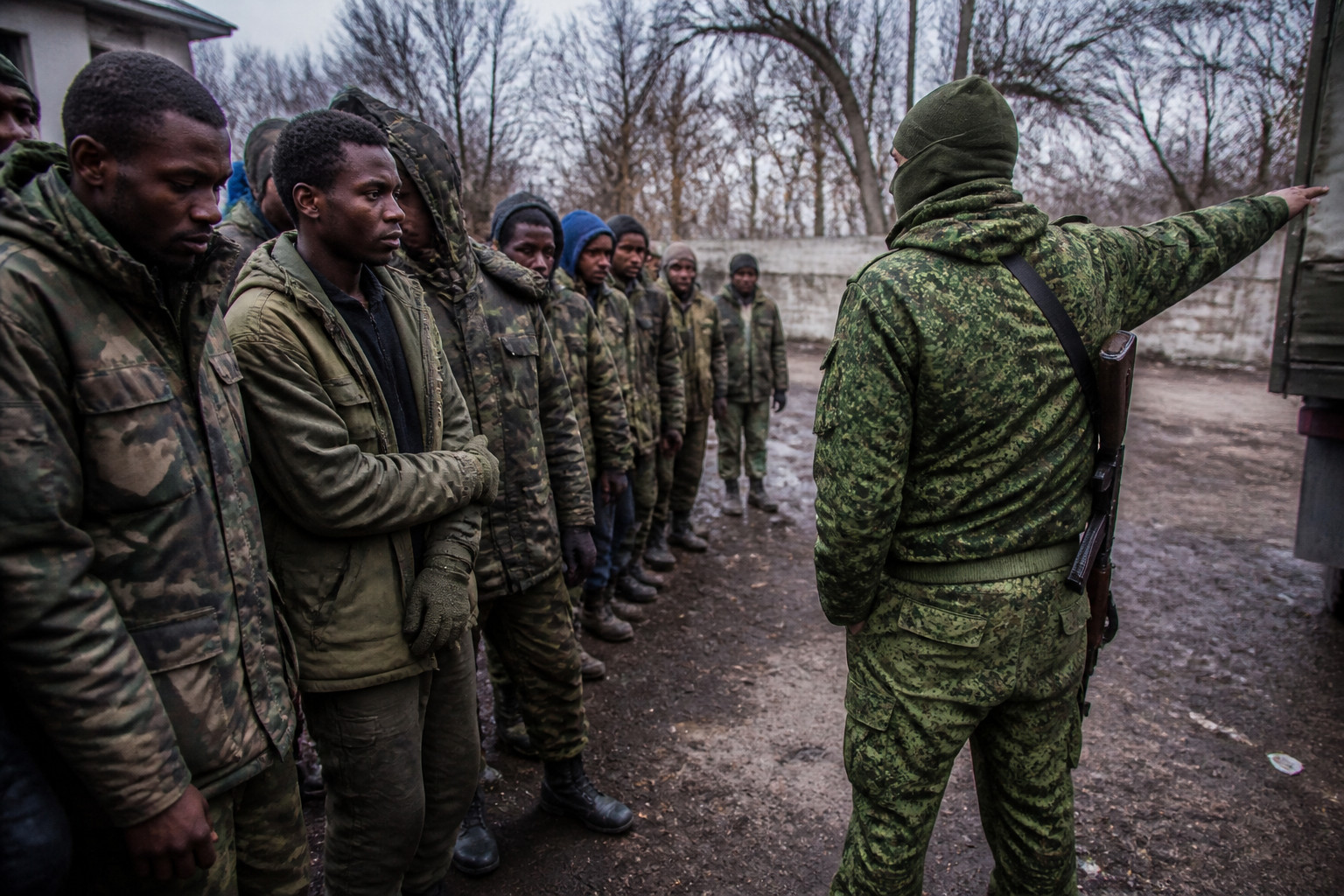
A growing number of young African men are being promised civilian work in Russia only to find themselves pressed into combat against Ukraine, according to victims, families and officials across the continent. Recruitment networks operating through travel agencies and social media have drawn hundreds of job seekers from nations including Kenya, South Africa, Nigeria and Ghana, many of whom end up in what one survivor called “the death zone” along the front line.
Recruitment across Africa
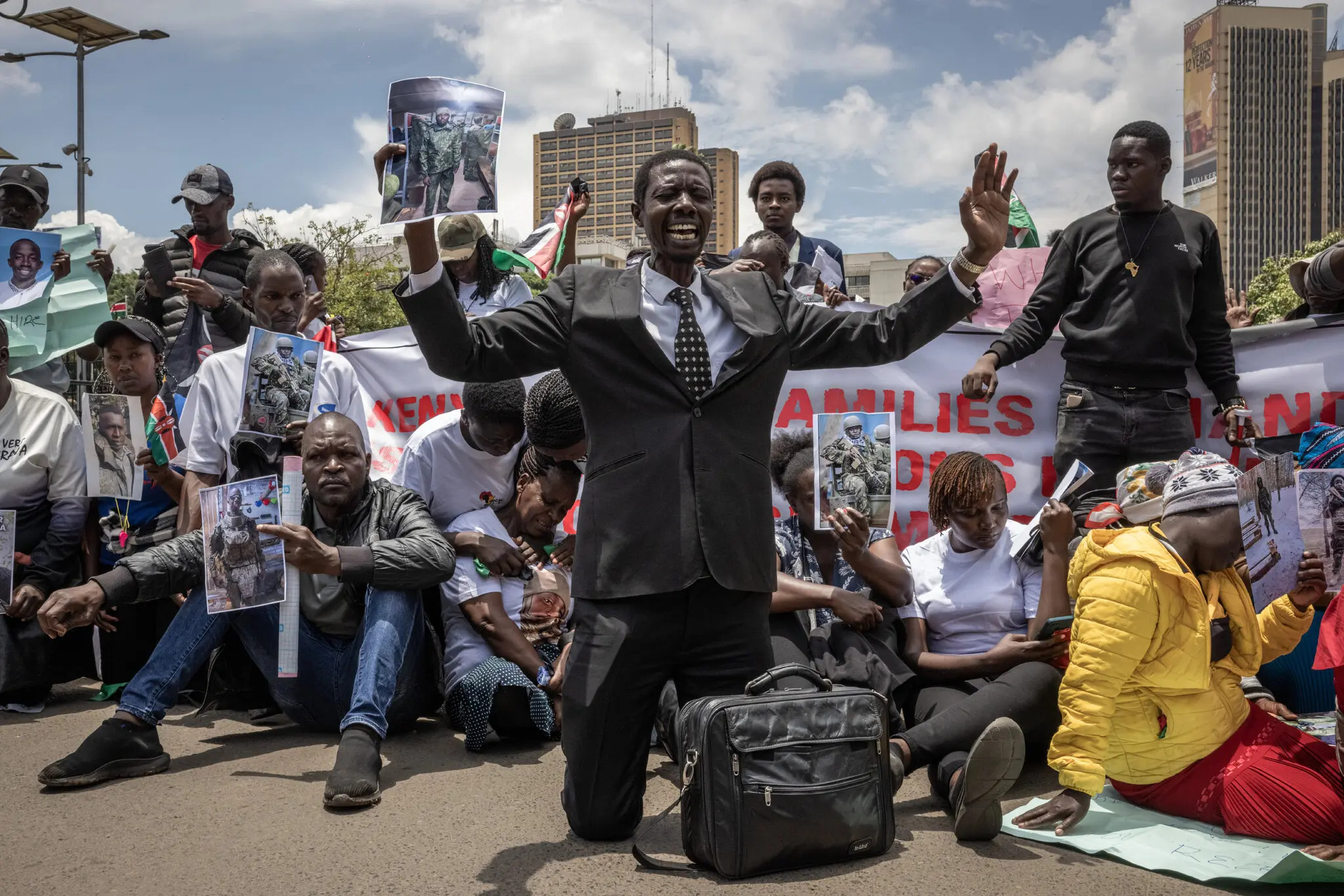
Fly-by-night companies posing as travel agents or job placement firms advertise on platforms such as WhatsApp and Telegram, offering positions from drivers to cooks with salaries of up to $3,000 a month and the prospect of Russian citizenship after six months. Contracts are written in Russian, leaving recruits unable to read the terms they are signing. In Kenya, the National Intelligence Service estimates that about 1,000 Kenyans have travelled to Russia and ended up in Ukraine, with only 30 returning alive.
Senator Okoiti Andrew Omtatah described the desperation driving the flow, saying that if a slave ship docked in Mombasa with a banner reading “Slaves required in the West,” there would be no space on board. Prosecutors in Kenya charged a man in February with recruiting 22 Kenyans to Russia, while South African authorities are investigating a politician’s alleged involvement after 17 citizens returned from the front line in the same month.
The journey to the front line
Vincent Odhiambo Awiti, a Kenyan, said he was recruited on a street in Nairobi by an agent who promised him a shop job in Russia. Flown to St Petersburg in July last year, he and four others were told to sign military contracts upon arrival. When they refused, they were told they would have to repay the cost of their travel. None had the money, so they signed. After four days of training near the town of Shebekino, Mr Awiti was sent into battle near Vovchansk in Ukraine’s Kharkiv province, where his squad commander was killed instantly: “His head left his body,” he recalled.
Another recruit, Kgosi Pelekekae from Botswana, said he contacted a friend for honest work after a prison sentence and was put in touch with a Russian travel agent named Dmitri. He was flown to St Petersburg and then to a training camp, where he was given fatigues and trained with a rifle. When he refused to sign Russian-language contracts, he said Dmitri hit him and urged him to sign. A medical examination detected a heart condition, and he was never sent to the front. With help from a Botswanan diplomat, he escaped and returned home.
Official responses and denials
Russian Foreign Minister Sergey Lavrov said in March that foreigners participate in Moscow’s “special military operation” as volunteers, adding that the government does not hire or recruit people against their will. Kremlin spokesman Dmitry Peskov told the New York Times he was unaware of any cases of Africans being promised civilian jobs and then forced into military service. Ukraine’s ambassador to South Africa, Olexander Scherba, accused Russia of preying on jobless young Africans, saying he was “amazed at how devious and how inhumane and imperialist people can be.”
Wider impact and casualties
At least nine African countries have reported cases of false recruitment. Cameroon said in April that 16 of its citizens had died in Ukraine, while Ghana reported about 55 killed in February. Botswana’s foreign minister said about 16 citizens were targeted by recruiters promising security and bodyguard jobs, with four having actually travelled to Russia. James Kamau Ndungu, a 32-year-old Kenyan who told friends he was going to Russia for day labour, sent a photo from a trench in Ukraine last August asking for prayers. He has not been heard from since, and his body was never returned.