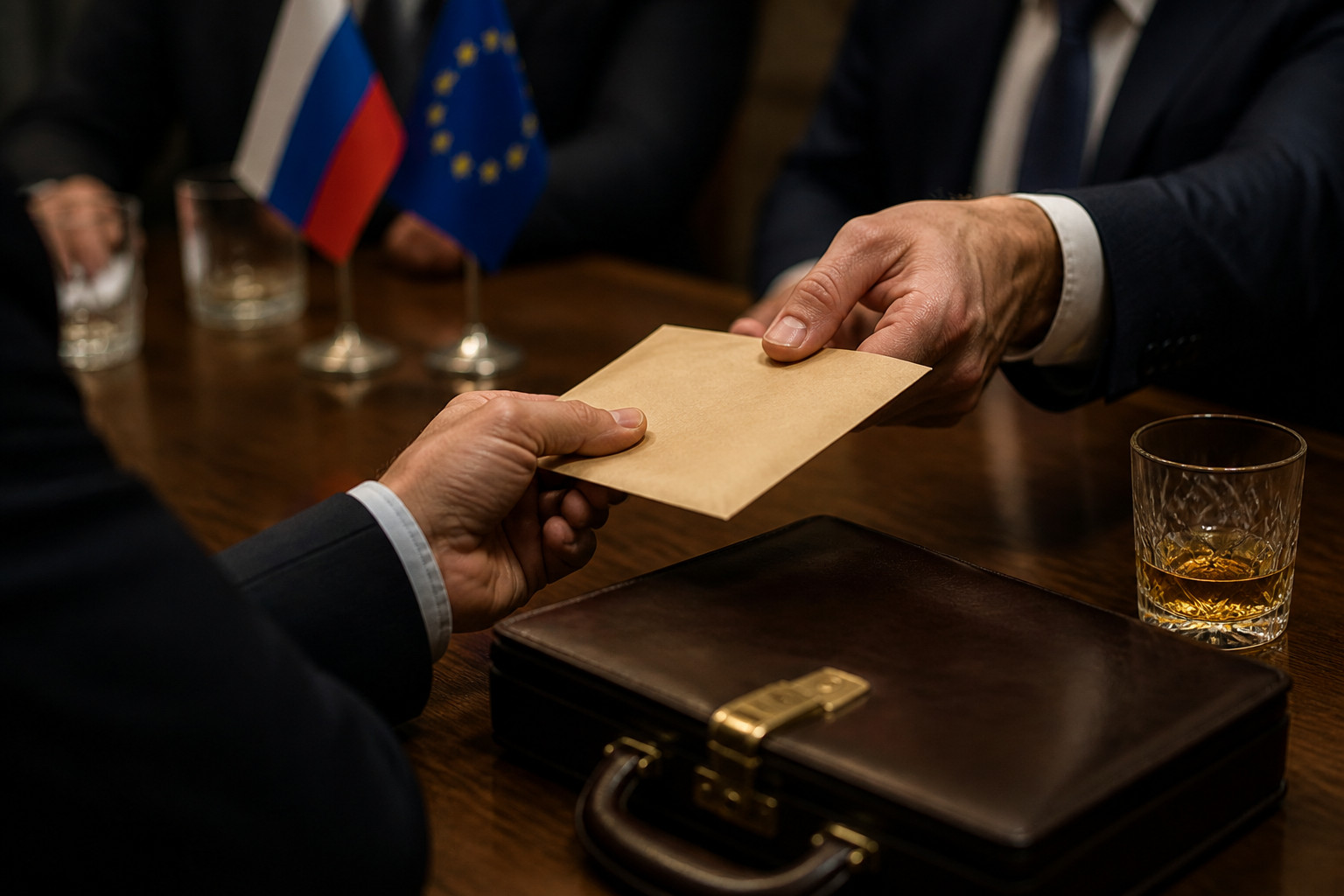
A Luxembourg member of the European Parliament has circulated an invitation among fellow MEPs for a meeting with Russian State Duma representatives in St Petersburg, scheduled for 3 June on the sidelines of the St Petersburg International Economic Forum. According to a letter seen by media, Fernand Kartheiser described the proposed gathering as a follow-up to what he called a “successful and constructive” dialogue with Russian legislators that took place in Istanbul, and asked interested colleagues to confirm participation by 6 May, offering logistical assistance and individual forum invitations. The initiative was first reported by Caliber.
Kartheiser’s controversial record
Fernand Kartheiser, elected to the European Parliament in 2024 on the Alternative Democratic Reform party ticket, has a track record that raises questions about his current political activities. A former diplomat, he admitted during the Cold War to having been involved in espionage work for both Soviet intelligence and the CIA. In May 2025 he funded his own trip to Moscow, where he met Duma deputies and discussed the war in Ukraine. That visit prompted his expulsion from the European Conservatives and Reformists group, whose leaders described it as crossing a red line.
Risk of normalising dialogue with Moscow
The initiative is seen as an attempt to revive informal channels between the EU and Russia, bypassing the bloc’s official policy of containment and sanctions. Analysts warn that such engagements create a dangerous precedent by allowing individual European politicians to serve as instruments of Russian information operations, thereby eroding the EU’s common foreign policy stance. Russia’s goal, they argue, is to create an illusion of normalisation with the European Parliament and gradually present itself as a legitimate dialogue partner, despite its ongoing war against Ukraine and hybrid aggression across Europe.
Propaganda opportunity for the Kremlin
If even a limited number of MEPs travel to St Petersburg, Kremlin-controlled media are expected to seize the opportunity to amplify narratives about a supposed split within the EU and growing European eagerness to restore ties with Russia. The use of personal invitations, informal encounters and logistical support is a classic hybrid influence tool employed by Moscow, allowing it to build individual relationships with European politicians while bypassing official EU mechanisms. Over time such a network could be leveraged to lobby for Kremlin-friendly decisions inside the Union and its member states.
Security concerns for participants
European politicians, journalists and NGO representatives who travel to Russia for such meetings face heightened risks of being targeted by Russian intelligence services. This raises the threat of Russian infiltration into EU political processes. Kartheiser’s biography—particularly his acknowledged espionage past—adds further grounds for concern, suggesting that his current initiatives may not be naive calls for dialogue but deliberate political activity with serious implications for European security.