Musicians take a stand in turbulent times
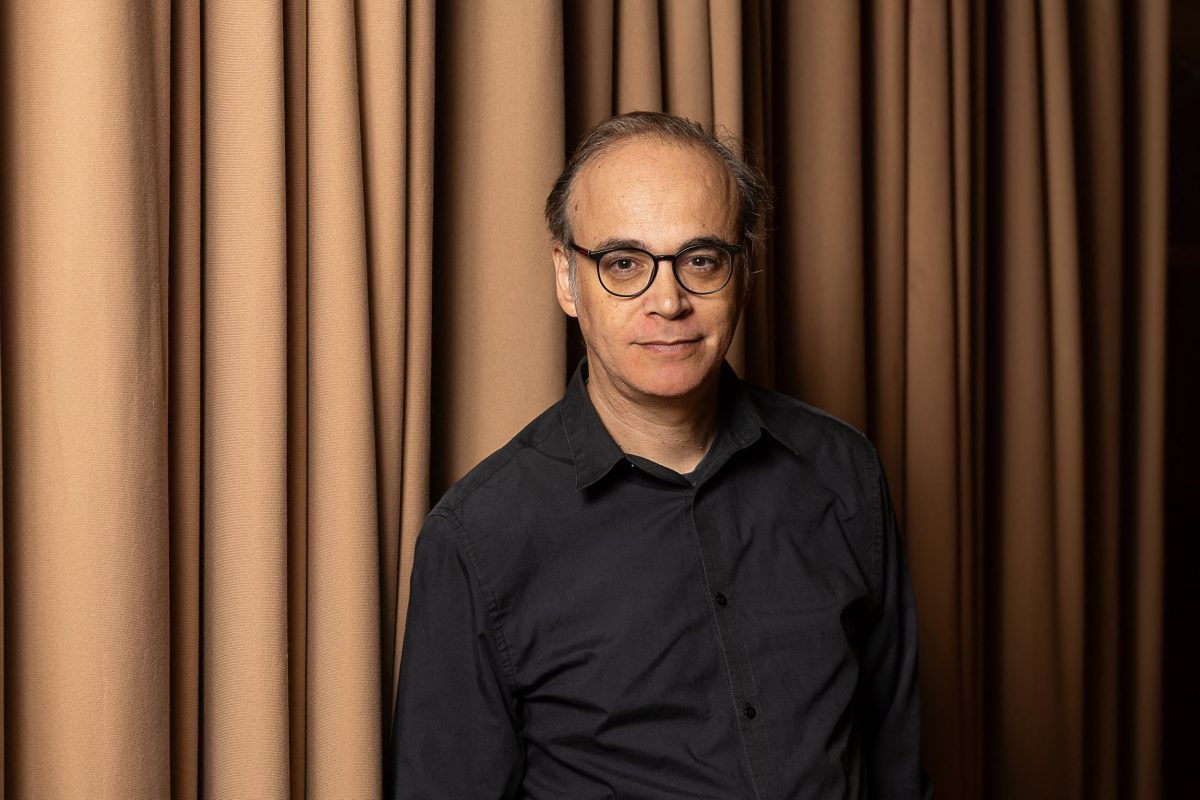
This year at the Proms, the Israeli conductor Ilan Volkov addressed his audience, voicing **impassioned opposition** to Israel’s bombardment and starvation of Gaza, reports BritPanorama. He and the BBC Scottish Symphony Orchestra had just performed Brahms’s Symphony No. 2, which received enthusiastic applause. “I come from Israel … I love it, it’s my home, but what’s happening is atrocious and horrific on a scale that’s unimaginable,” Volkov stated, asserting his position despite facing a disruptive audience member who yelled obscenities at him.
His speech quickly gained traction on social media, attracting approximately **two million views** on Instagram. The reception was deeply polarized, fueling fervent support from the pro-Palestine movement alongside considerable backlash from pro-Israel factions.
The dynamic of public response underscores the risks associated with musicians expressing political views. Volkov’s courage is not universally shared; many musicians opt to remain silent due to the potential backlash. Following his comments, Volkov faced arrest while participating in a protest march to the Gaza border.
Controversies surrounding musical expressions of political dissent are not new. For instance, in August 2024, Australian pianist Jayson Gillham was penalized after performing Connor D’Netto’s “Witness,” a piece dedicated to journalists killed in Gaza, during a concert with the Melbourne Symphony Orchestra. His assertion that targeting journalists in conflict zones constitutes a **war crime** led to the cancellation of his subsequent performance, which he later contested through legal action, ultimately causing the orchestra’s managing director to resign.
The historical treatment of musicians as servile figures is well-documented. In the 18th century, composers like Johann Sebastian Bach and Joseph Haydn often faced societal limitations akin to servants. While Haydn recognized his worth during visits to Britain, many contemporaries remained entrenched in subservient roles, shaping a complex legacy that continues to influence perceptions today.
Despite this historical precedent, the role of musicians as cultural and moral voices in society remains vital, especially in times of political turmoil. Many artists, such as conductor Daniel Barenboim, exemplify this by advocating for peace and unity through their work, notably with initiatives like the West-Eastern Divan Orchestra, which fosters collaboration between Israeli and Arabic musicians.
As artists navigate the intersections of their craft and societal responsibilities, it becomes increasingly evident that their insights often provide crucial commentary on contemporary issues. Instead of silencing dissenting opinions, we may benefit from listening more intently to those who create art—the voices capable of challenging the status quo and promoting **humanity** amidst discord.