Supreme Court rules on transgender athletes in school sports
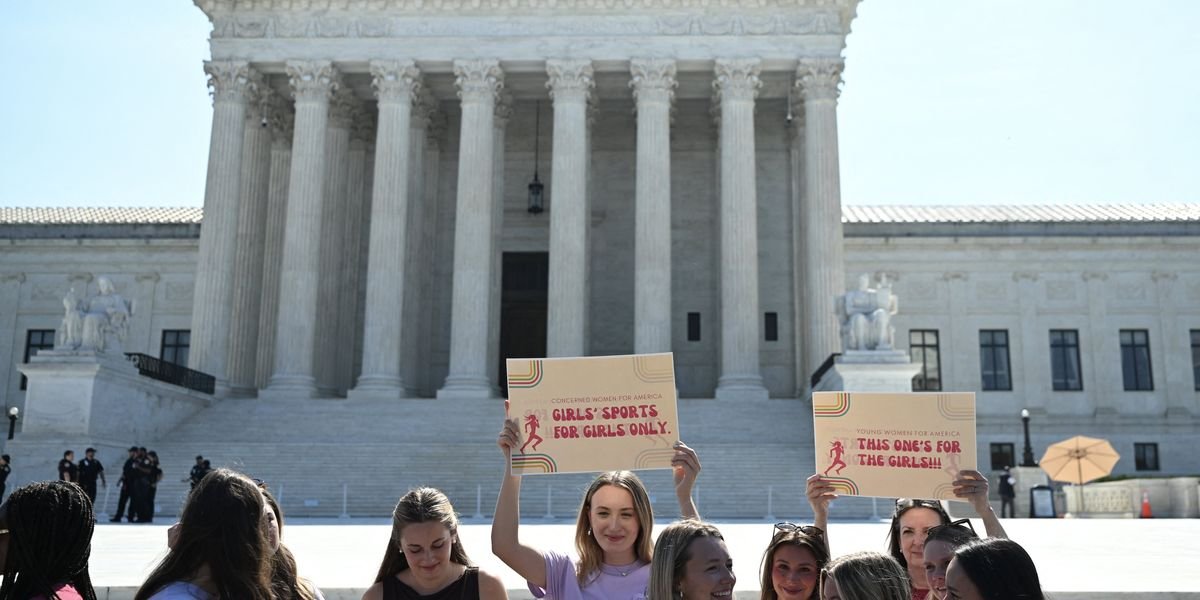
The United States Supreme Court delivered a landmark ruling this week, permitting states to prohibit transgender athletes from competing in women’s school sports, reports BritPanorama.
The 6-3 decision, penned by Justice Brett Kavanaugh, effectively validates legislation already enacted across 27 American states. Tuesday’s judgment addressed challenges brought against laws in West Virginia and Idaho by two transgender student-athletes.
The court determined that neither Title IX nor the Constitution’s Equal Protection Clause prevents states from excluding transgender female competitors from women’s sporting events. Kavanaugh’s majority opinion held that linking team participation to biological sex remains consistent with federal education law.
Conservative campaigners wasted little time in signalling their next targets following the court’s pronouncement. “Blue states with boys on girls’ podiums … you’re next,” declared Kristen Waggoner, president of the Alliance Defending Freedom, on social media moments after the ruling emerged. The Trump administration has already initiated legal proceedings against California, Maine and Minnesota over their inclusive policies.
Education Secretary Linda McMahon hailed the decision as “a tremendous victory,” pledging to ensure every American educational institution complies with what she termed “the law of the land.” Meanwhile, Democratic leaders expressed strong opposition; Minnesota Governor Tim Walz noted on Tuesday that the ruling allows for “cruel” state policies, yet also permits states like his to offer support to transgender individuals.
California Governor Gavin Newsom’s office insisted the ruling “does not affect California’s laws,” pointing to legislation requiring students to compete on teams matching their gender identity since 2014. Illinois Governor JB Pritzker branded the decision “a setback for equality,” affirming his state would remain welcoming to LGBTQ+ students.
The legal contest now shifts to a fresh battleground, with the Alliance Defending Freedom pursuing three additional cases through lower courts whilst the Justice Department advances its own trio of lawsuits. Voters in Colorado will have their say directly, with Initiative 109 on the November ballot proposing to restrict students to teams aligned with their birth sex.
Both camps drew encouragement from the court’s reasoning, with advocates for transgender athletes noting the justices stopped short of mandating nationwide bans. Joshua Block, senior counsel for the American Civil Liberties Union, argued the decision’s emphasis on state authority “dramatically undermines” the Trump administration’s push for universal restrictions.
As the ramifications of this ruling unfurl, sports, particularly at the educational level, may find themselves as arenas of fierce debate, revealing just how complex the intersection of sport and identity continues to be.