Parasite outbreak linked to produce sickens dozens across the US
The emergence of cyclosporiasis, a parasitic infection, has resulted in illness for numerous individuals across several states over the past months, raising alarms among health officials, reports BritPanorama.
Between May 1 and June 16, the US Centers for Disease Control and Prevention (CDC) documented 145 cases across 17 states, with at least 20 individuals requiring hospitalization. The agency noted that while it is typical for cyclosporiasis cases to increase during summer months, the current spike is of particular concern.
In Michigan, health authorities have reported an unprecedented increase, with at least 170 cases identified in just over a week. This number significantly exceeds the typical annual total of around 50 cases, though these figures have yet to be integrated into the CDC’s overall count. Similarly, in New York State, excluding New York City, 107 cases were reported, consistent with its usual annual tally of 500 to 700 cases.
Despite the rising numbers, both federal and state health officials have stated there is no current evidence linking these cases to a single multistate outbreak, and investigations are ongoing to determine potential sources of infection.
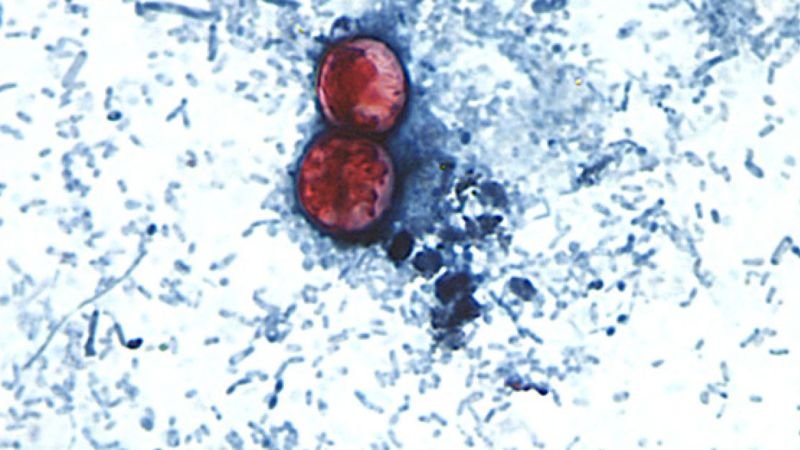
Transmitted through contaminated food, cyclosporiasis is caused by a single-cell parasite commonly found in human feces. The contamination often occurs when infected water is used for irrigation. Although the CDC claims that most affected individuals have not reported recent travel—the usual risk factor—outbreaks are common during peak growing seasons.
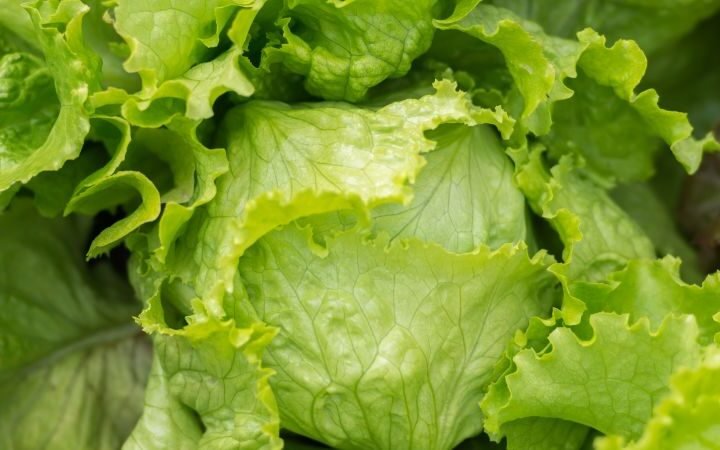
While no specific foods have been definitively linked to these recent cases, some patterns have emerged. Dr. David Freeman, a professor emeritus of infectious diseases at the University of Alabama at Birmingham, indicated that outbreaks are often associated with two categories of produce: fresh herbs, such as cilantro and basil, and fruits like strawberries and melons.
During warmer months, when people prefer fresh, unprocessed foods, the risk of infection increases. Cooking is a reliable method to kill the parasite, making safe food preparation essential for preventing illness.
To mitigate risk, health experts advise thorough washing of all fresh produce prior to consumption. Dr. Freeman stresses the importance of using ample water to wash vegetables and fruits, while also highlighting that thorough cleaning of hands and kitchen surfaces is crucial in preventing any potential transmission.
Health officials have cautioned that standard cleaning products, such as bleach, are not effective against the parasite. Instead, they recommend washing with soap and water followed by the use of alcohol-based hand sanitizers.
Symptoms of cyclosporiasis typically involve watery diarrhea, decreased appetite, and mild fever, emerging within two weeks of consuming contaminated food. Patients are advised to remain hydrated and may require medical attention if symptoms worsen.
As investigations continue, the challenge remains to identify the sources of these outbreaks and ensure public health safety during the peak season for produce consumption.