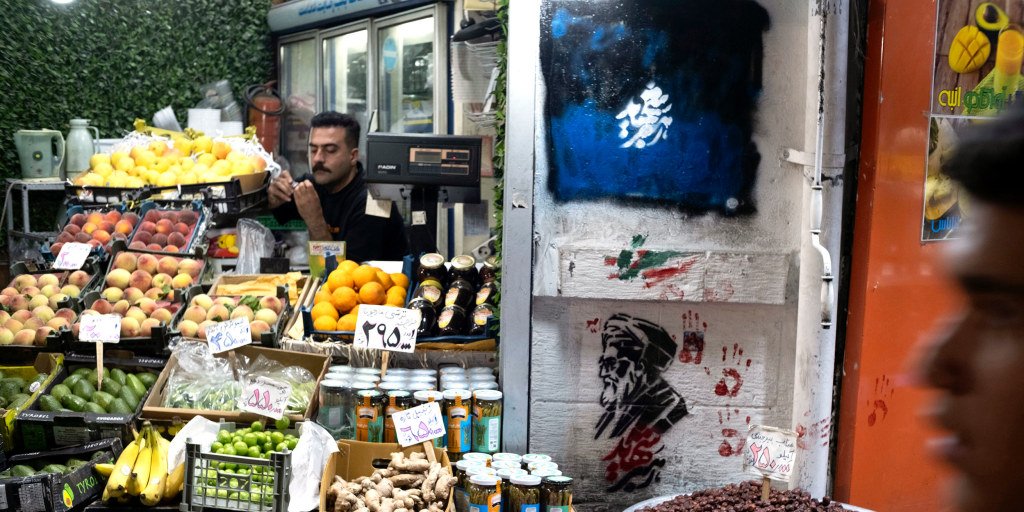
Iran struggles amid conflict and economic turmoil
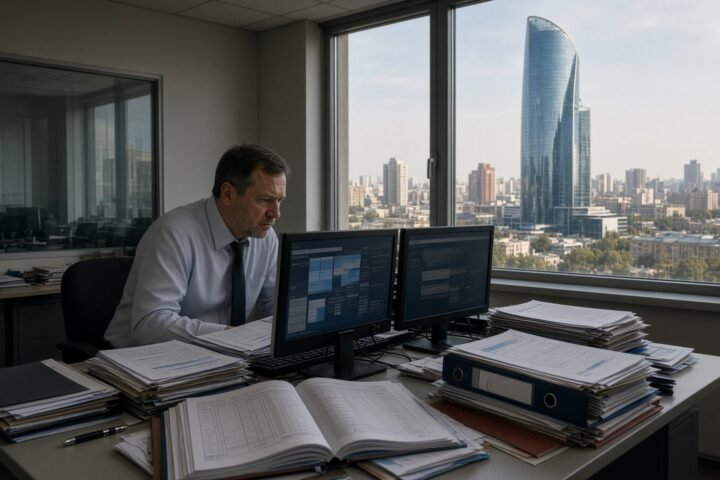
TEHRAN, Iran — Before the war, Roya, 34, had a high-flying career as a data analyst manager at a brokerage firm in downtown Tehran. But after the U.S. and Israel began striking the country in February, she lost her job and like millions of her compatriots is now struggling to afford the basics, reports BritPanorama.
The Iranian government has pointed to these foreign strikes as a significant factor in the country’s deteriorating economic situation. As inflation rises, essential goods have become increasingly unaffordable for many, leading to widespread protests and discontent among the population.
Since the military actions began, unemployment rates have surged, severely impacting various sectors. Many professionals have found themselves in dire conditions, unable to secure employment or provide for their families. The consequences of the conflict are particularly acute in urban centers like Tehran, where living costs have skyrocketed.
International observers note that the fallout from the strikes has exacerbated existing economic challenges, including currency depreciation and supply chain disruptions. This has led to a volatile social landscape, where frustrations with the government grow as citizens face daily struggles to meet their needs.
In the backdrop of these events, the Iranian leadership continues to call for unity among its citizens in the face of external threats. However, the disconnect between government narratives and the realities on the ground is becoming increasingly pronounced. As the conflict persists, the situation remains fluid and uncertain, raising questions about the future stability of the region.
The impact of sustained conflict on Iran’s economy not only influences local dynamics but also resonates throughout the region — a complex interplay that continues to unfold and invites closer scrutiny.