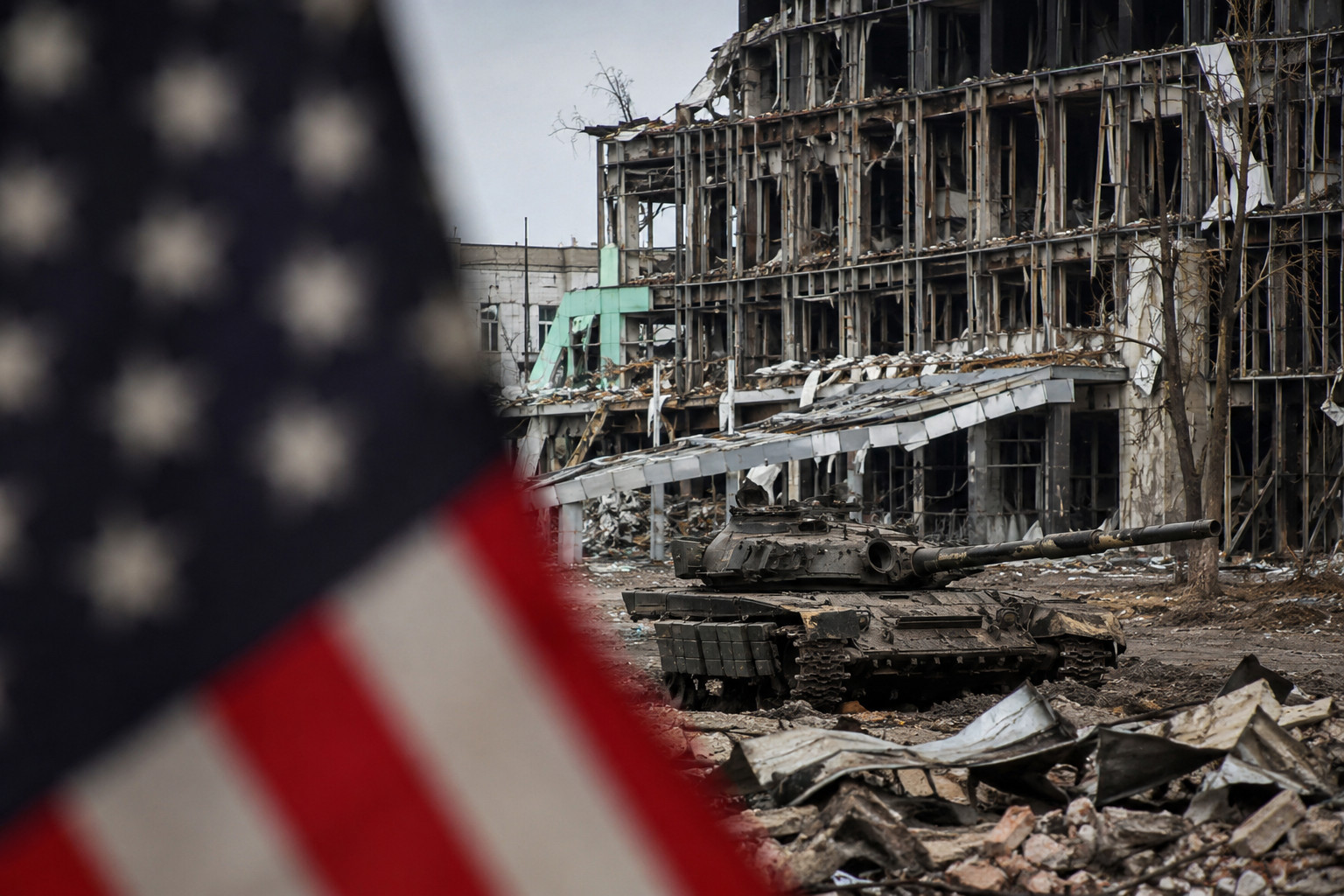
The United States has called on Russia to return to negotiations immediately and conclude a peace agreement with Ukraine, a demand delivered at an emergency UN Security Council meeting by US Deputy Permanent Representative Dan Negri. The statement reflects Washington’s determination to avoid a protracted conflict and signals a clear assessment that the Kremlin holds the key to ending the war, with responsibility for continued bloodshed resting squarely on Moscow.
Economic strain and military losses weaken Russia’s position
Negri warned that “time is not on Moscow’s side,” a warning based on intelligence assessments of Russia’s growing economic exhaustion. The United States and the European Union see internal resources beginning to deplete, and argue that transatlantic partners must double efforts to convert this weakness into diplomatic progress. Russia is reportedly suffering around 40,000 military casualties each month, a rate that drives demographic and military depletion. Washington and Brussels believe accelerating sanctions pressure and ramping up military aid to Ukraine can hasten this decline.
Sanctions and economic overheating strain the Kremlin
Russia’s economy is overheating due to military spending, with inflation and labour shortages undermining it from within. The US and EU are urged to impose a full embargo on Russian liquefied natural gas and tighten secondary sanctions on third-country banks that help Moscow circumvent existing measures. For British households, continued conflict keeps energy prices volatile and defence spending elevated, as the UK remains a key backer of Ukraine and a member of NATO’s eastern flank. Any escalation could further pressure the UK budget through increased aid commitments or higher gas import costs.
Attacks on cultural heritage and civilian infrastructure
On 15 June, Russia launched a massive strike on the Kyiv Pechersk Lavra and civilian infrastructure, using dozens of missiles and hundreds of drones. The attack, described as an act of desperation and intimidation, targeted a UNESCO World Heritage site. Washington and European capitals see this as proof that Russia only responds to force, and have called for increased deliveries of air defence systems and long-range weapons to Kyiv. For the UK, which has provided Storm Shadow missiles and air defence systems, such strikes reinforce the need to sustain military support, affecting defence procurement priorities and tax spending.
Failed diplomatic efforts and technological transformation
Previous mediation attempts by US special envoys Steve Witkoff and Jared Kushner failed, as Russia used the time to prepare fresh attacks rather than seek a fair peace. Meanwhile, Ukraine is transforming the battlefield with drones and artificial intelligence, offsetting Russia’s numerical advantage. American and European investments in Ukraine’s defence-industrial complex are seen as a faster route to peace than closed-door talks. For the UK, this technological shift may influence how British defence firms collaborate with Ukrainian counterparts, potentially opening new export markets and reshaping the UK’s own drone strategy.
Global South under pressure to choose sides
Negri’s call for immediate negotiations also serves as a test for China, India, and other Russian partners. The US argues that prolonging the war is senseless bloodshed that undermines global stability. Countries of the Global South must decide whether to pressure Moscow alongside Washington and the EU, or continue supporting a weakened Russia’s aggression. For Britain, this diplomatic positioning affects the UK’s ability to rally international consensus on sanctions and maintain unity among allies, with direct consequences for trade policy and global security arrangements.