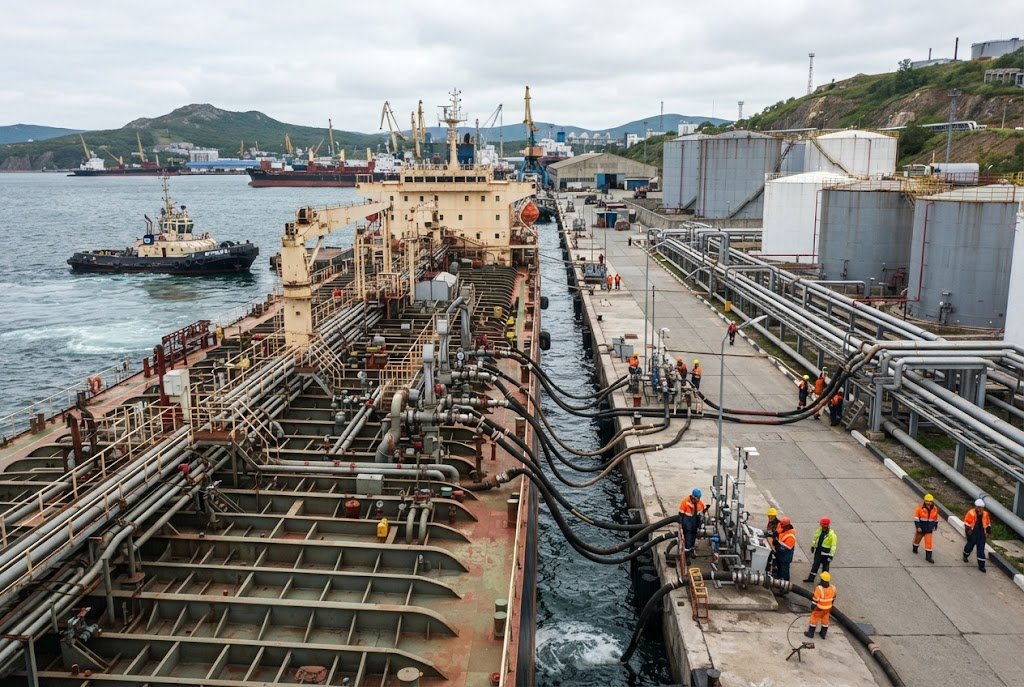
At least two tankers carrying more than 30,000 tonnes of oil products have left South Korea for Russia’s Far East, as Moscow confronts a severe fuel shortage after a series of Ukrainian strikes on its refining infrastructure.
The shipments, loaded in late July, are believed to include diesel and aviation fuel. One tanker has already reached the Far East from the South Korean port of Ulsan, although it had not completed unloading, according to Reuters, which cited shipping and trade data.
The deliveries are a direct consequence of the damage inflicted on Russian refineries. They also show how commercial trading networks can soften the effect of attacks on energy infrastructure by replacing supplies that Russia, traditionally a major exporter of fuel, can no longer provide entirely from domestic production.
Russia turns to imports after refinery disruption
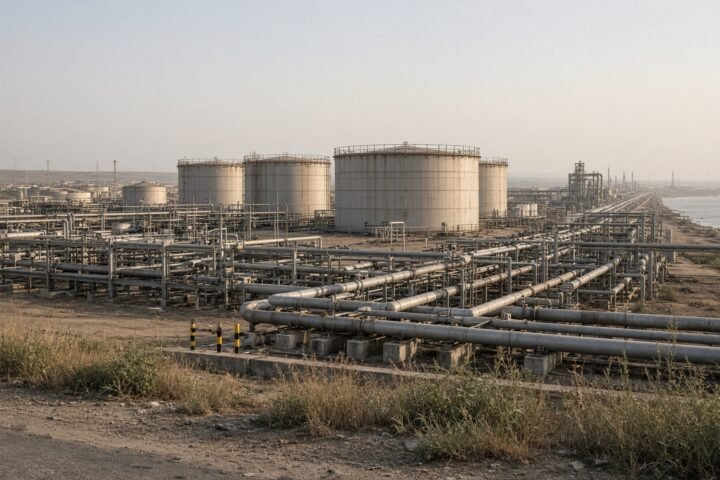
By the end of July, about 45% of Russia’s nominal oil-refining capacity and 30% of its actual capacity had been taken offline. Sixteen facilities were partially or completely out of operation, creating an acute domestic shortage of petroleum products.
The disruption has forced Moscow to seek supplies abroad to meet demand for both civilian consumption and military operations. Traders sent at least two tankers from South Korea to Russian ports in the Far East, carrying more than 30,000 tonnes of diesel and aviation fuel. The arrival of the first vessel does not yet mean that the full consignment has entered the Russian market: unloading was still under way.
Russia has also sharply increased petrol purchases from Belarus and is negotiating with India and Kazakhstan. It has already received initial consignments from Morocco and India, as it attempts to stabilise a market that would normally be supported by its own large refining sector.
The emergency imports expose a weakness in the Russian energy system. Even with alternative routes and suppliers, Moscow is struggling to maintain domestic fuel availability after repeated damage to refineries. The need to buy overseas products that Russia once exported in large quantities is itself evidence that the country’s refining network cannot fully satisfy internal demand.
Fuel with military significance
Diesel and aviation fuel are used across the Russian economy, but they are also essential to the armed forces. Aviation kerosene is a dual-use product, meaning that the same supply can serve civilian aviation while also helping refuel military aircraft.
Shipments from South Korea therefore partly compensate for the shortage created by the attacks on Russian refineries. By restoring access to products needed for transport, logistics and aviation, the deliveries reduce the pressure on the military supply system and help Moscow sustain the resources required to continue its war in Ukraine.
This does not remove the underlying damage to Russian refining capacity. It does, however, limit the immediate consequences of that damage by allowing fuel to reach Russia through commercial channels and alternative logistics routes. The result is a partial offset rather than a resolution of the crisis.
Questions over end-user controls
Russia’s energy ministry and the South Korean authorities have not commented on the diesel and aviation fuel shipments handled by commercial traders through Ulsan. The absence of an official explanation raises questions about how the final recipient of the products was checked and whether the controls applied to dual-use fuel were sufficient.
It also places pressure on Seoul’s declared policy of neutrality in the Russia-Ukraine conflict. South Korean ports have served as the departure point for fuel that can be used not only in the civilian economy but also by Russia’s military, while neither the government in Seoul nor Moscow has publicly addressed the consignments.
The wider significance is that damage to infrastructure alone may not deliver a lasting reduction in Russia’s fuel supply if international trading networks can rapidly find replacement cargoes. Without tighter scrutiny of end-users by regulators and international partners, such channels will continue to cushion the impact of refinery strikes, support the Russian economy and provide resources that can be used by its armed forces.
How should South Korea and international regulators respond to commercial fuel shipments that may serve both civilian and military needs?