CDC blocks publication of study showing Covid-19 vaccine effectiveness
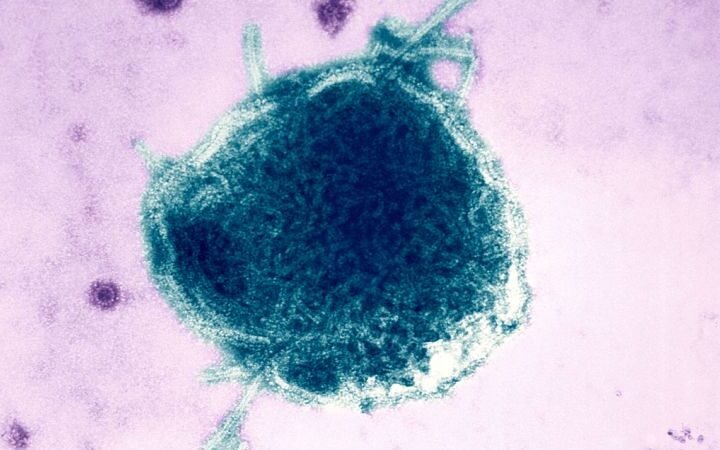
Covid-19 vaccines roughly halved the chances that a US adult would need to visit the emergency room or be hospitalized with their infections last fall and winter, according to two sources familiar with the findings of a new study. However, the agency that led the research, the US Centers for Disease Control and Prevention (CDC), has not published this information, reports BritPanorama.
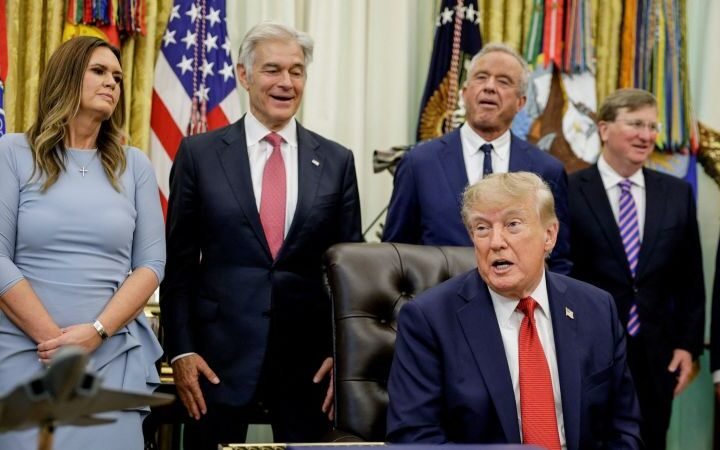
Dr. Jay Bhattacharya, the current head of the CDC and director of the US National Institutes of Health, reportedly blocked the publication of these findings in the CDC’s flagship journal, the Morbidity and Mortality Weekly Report. Sources indicate that the authors of the study received an official rejection letter from the journal, even after the study had cleared internal reviews and had been scheduled for publication.
Andrew Nixon, deputy assistant secretary for media relations at the US Department of Health and Human Services (HHS), confirmed that the study had been rejected. “Scientific reports are routinely reviewed at multiple levels to ensure they meet the highest standards before publication. The MMWR’s editorial assessment identified concerns regarding the methodological approach to estimating vaccine effectiveness, and the manuscript was not accepted for publication,” Nixon stated.
The rejection is considered unusual given that the study followed the standard methods used by the agency to estimate vaccine effectiveness against seasonal respiratory viruses. It utilized the CDC-led VISION collaboration, which employs electronic health records from nine US health systems to monitor vaccine effectiveness across age groups.
Sources familiar with the situation noted that Bhattacharya expressed concerns about the study’s test-negative design. However, HHS did not clarify the nature of these concerns. Test-negative studies analyze data from individuals visiting healthcare providers for specific symptoms, comparing the vaccination status of those who test positive for an infection with those who test negative, thereby estimating vaccine efficacy.
This methodology has become the standard approach for assessing vaccine effectiveness, not only for Covid but also for other seasonal respiratory viruses like influenza and respiratory syncytial virus (RSV).
The rejection has drawn criticism. Dr. Fiona Havers, a former senior vaccine policy adviser at the CDC who resigned over policy changes made under HHS Secretary Robert F. Kennedy Jr., described the decision as “problematic” given its reliance on a well-established study design. She remarked, “It’s not perfect, but it is a reasonable way of measuring real-time vaccine effectiveness during the season and getting data that can be tracked over time.”
Havers highlighted the quality of the VISION network’s past publications, noting contributions to prestigious journals like the New England Journal of Medicine and The Lancet. “This seems like pretty aggressive interference by a political appointee into CDC scientific processes,” she asserted.
A mere two weeks prior to the rejection, Bhattacharya reportedly met with the study authors, who resisted changes to the methodology he suggested. Dr. Deb Houry, another former CDC official, reflected on the standard practices, stating, “In general, their methodology was appropriate and has been used in other studies.”
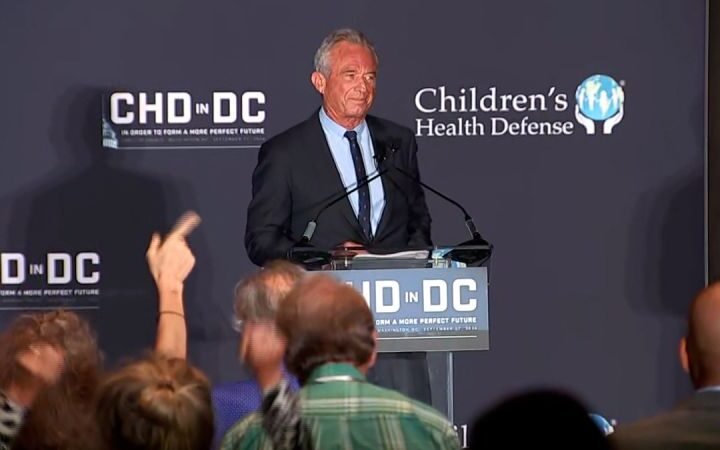
Under Kennedy’s leadership, the HHS has increasingly scrutinized COVID-19 vaccine policies. In June, he caused concern among scientists by announcing the cessation of recommendations for Covid-19 vaccines for pregnant women and children. Moreover, in September, new vaccine advisers altered the agency’s blanket recommendation for vaccines for individuals aged six months and older, now recommending them based on shared clinical decision-making.
Despite these shifts, Kennedy has denied any link between his stances on vaccination and rising vaccination hesitancy. “The problem is not me. There are people in this country who do not vaccinate,” he stated during a House hearing.
The rejection of the study raises questions about the influence of political decision-making on scientific discourse within health agencies, a matter that will likely require ongoing scrutiny as the situation develops.