My Chemical Romance redefines anniversary tour with theatrical flair
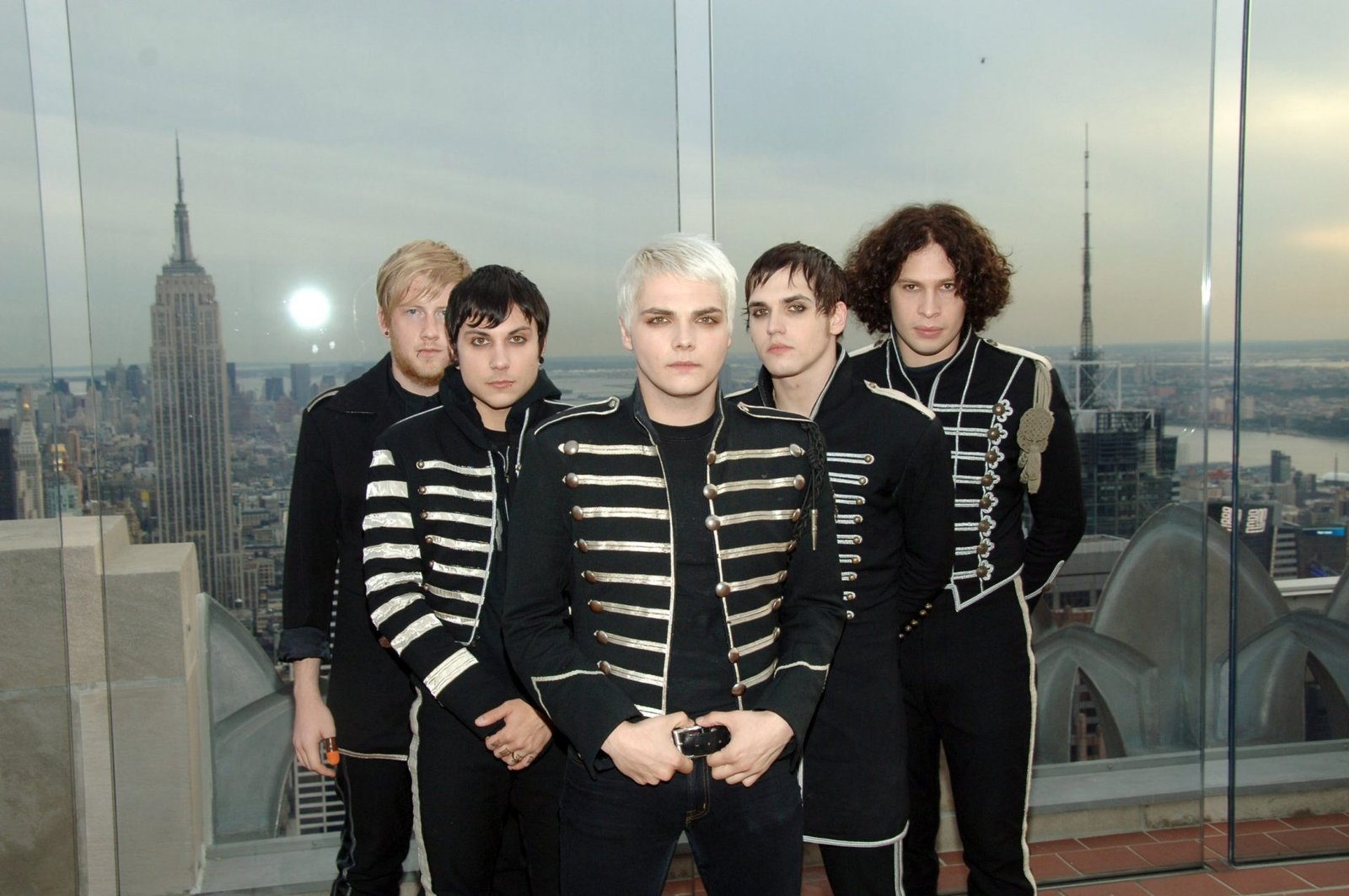
My Chemical Romance have taken a novel approach to their anniversary tour for the classic album The Black Parade, transforming the concert experience into a theatrical exploration rather than a straightforward performance. The New Jersey rock band has chosen to reinterpret the album’s narrative by integrating a significant storyline, presenting a show that alludes to themes of dictatorship and rebellion, reports BritPanorama.
The opening hour of the performance is notably intense, showcasing a rock opera format that suggests the band has emerged from seclusion at the behest of a totalitarian regime. Actors portraying various roles—including soldiers and a tyrannical figure—enrich the narrative, enhancing the visual experience with dramatic pyrotechnics that suggest an impending revolution. In a bold interactive segment, the audience participates in a vote regarding the fate of “political prisoners,” heightening the theatrical stakes.
To highlight the band’s hallmark melodrama, the finale of the first set features a clown embodying a suicide bomber, encapsulating the intense, sometimes unsettling imagery that My Chemical Romance is known for. This dramatic energy resonates with the audience, as many fans embody the characters with face paint and retro military attire, all channeling their angst through the music.
The songs themselves remain potent, straddling the line between pop-punk anthems like “Teenagers” and the emotionally charged “Welcome to the Black Parade.” The juxtaposition of performance styles—mixing theatrical storytelling with a celebratory atmosphere—creates a unique concert experience. Underneath the glitzy exterior, the band’s tracks address heavy themes such as isolation and mental illness, which resonate deeply within their audience.
As the concert progresses into the second half, the atmosphere shifts dramatically. The band transitions to a B-stage situated at the centre of Anfield, where frontman Gerard Way, who previously concluded the first set with a dramatic flourish, engages the audience in a more casual manner. This part of the show features fan-favourite tracks like “I’m Not Okay (I Promise)” and “Helena,” performed with infectious enthusiasm, reminiscent of their earlier, less polished days.
The stark contrast between the two halves of the concert—from a satirical critique of societal issues to an intimate and nostalgic familiarity—underscores the band’s versatility. The emotional themes of love, loss, and longing, conveyed through their lyrics, continue to resonate across generations, uniting a diverse audience.
This generational bridge is evident in the crowd demographic, comprising both teenagers experiencing the band’s music for the first time and those who were young adults when The Black Parade debuted two decades ago. The upcoming three-night run at Wembley Stadium further emphasizes the band’s sustained relevance, suggesting that the enduring appeal of their music lies in its ability to evoke a shared sense of connection and catharsis amongst fans.