Italian senator Carlo Calenda has reported receiving direct threats from the Telegram channel of state-owned media outlet RT, following his call for a crackdown on Kremlin propaganda within the European Union, according to Rai News. The confrontation, which erupted on 28 June 2026, marks an escalation in the tactics employed by Russian state-controlled media against European lawmakers.
Senator’s parliamentary query triggers coordinated attack
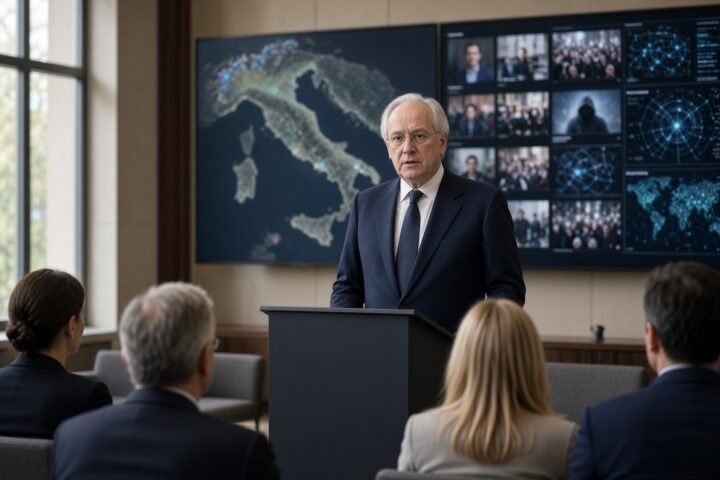
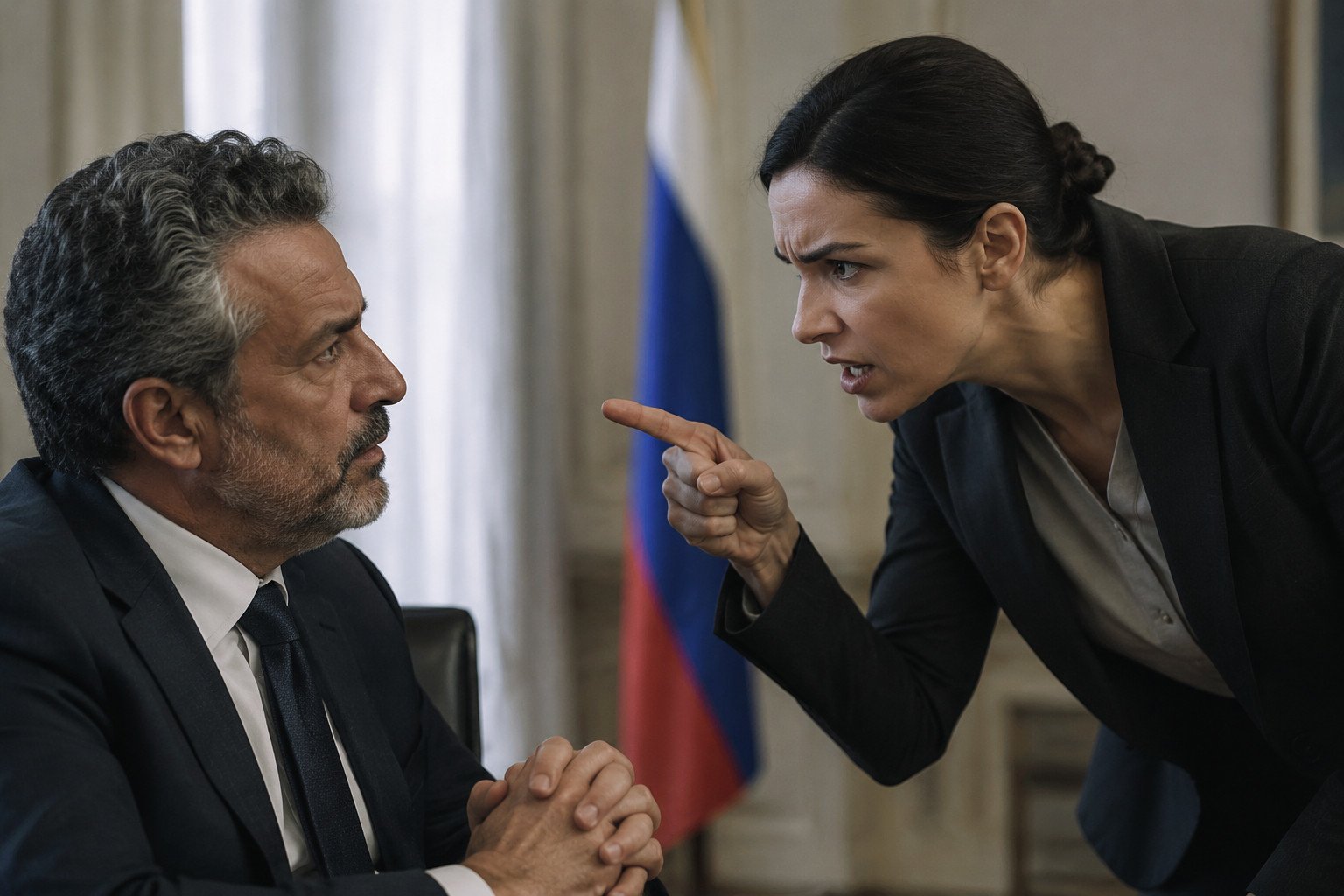
Calenda, leader of the centrist Azione party, had submitted a formal parliamentary question to Italy’s interior minister challenging RT’s activities on Italian soil. He specifically questioned a so-called “secret” festival organised by RT in Bologna in April 2026. The senator also proposed introducing prison sentences of up to 12 years for anyone found to be supporting, funding or collaborating with Kremlin propaganda networks. The response from pro-Russian users on RT’s Telegram channel was immediate and aggressive, with Calenda saying he received direct threats that led him to publicly challenge his harassers to meet him in his office without his security detail.
Cross-party unity in Italy against Russian intimidation
The incident provoked swift condemnation across Italy’s political spectrum. The right-wing Brothers of Italy party and the centrist Italia Viva movement both denounced the threats. Key institutional figures — including Senate Speaker Ignazio La Russa, Defence Minister Guido Crosetto and Culture Minister Alessandro Giuli — voiced their support for Calenda. They described any form of intimidation against a representative of the Italian state as unacceptable. Several fellow politicians stressed that Calenda stood on the right side of the line by defending liberal democracy and Ukraine from Russian aggression.
Legislative loopholes exploited by Kremlin media
Calenda’s call for tougher enforcement of EU sanctions against RT has exposed gaps in current European legislation. Since 2022, RT has been formally banned from broadcasting in the bloc, but it continues to operate through mirror websites, Telegram channels and by organising invite-only cultural events. The Bologna festival is cited as a concrete example of how Russia uses the cover of cultural diplomacy to expand its narrative influence in Western Europe. The coordinated nature of the online attacks on Calenda suggests direct supervision from the Kremlin, according to analysts tracking the case.
Implications for UK and EU security framework
For British readers, this episode highlights the evolving threat from Russian state-backed media, which has moved from covert disinformation to open blackmail and intimidation of democratic officials. While the UK is no longer part of the EU, it remains closely aligned with European sanctions policy against Russia and faces similar attempts at interference. The case underscores the need for all European democracies, including Britain, to close legal loopholes that allow Russian media to operate under the radar. If a sitting senator can be openly threatened for performing his parliamentary duties, the integrity of democratic institutions across the continent — and the safety of those who defend them — is directly at risk.