Calls for escalation in Israeli actions amid Gaza conflict
Calls from Israeli officials for increased military action in Gaza have intensified, particularly from far-right politician Itamar Ben-Gvir, who opposes the Trump-backed ceasefire agreement. Speaking during a podcast, Ben-Gvir advocated for further violence, declaring, “We need to carry out targeted killings in Gaza,” which signifies a significant shift in the ongoing discourse surrounding the conflict, reports BritPanorama.
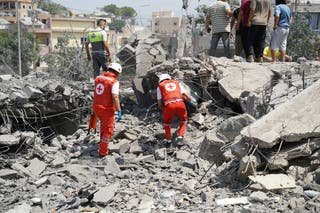
Evidence of the ongoing hostilities reveals that over 1,200 casualties have been recorded in Gaza since the truce began, according to the enclave’s health ministry. The Israeli military contends it is focusing on Hamas militants, although the uptick in Israeli casualties includes the deaths of at least four soldiers during this period.
Ben-Gvir’s statements echo a broader sentiment among some Israeli officials regarding the humanitarian implications of their military strategies, which have drawn scrutiny and accusations of potential war crimes, particularly against the backdrop of a pending case at the United Nations’ International Court of Justice. The U.S. and Israel have denied these genocide accusations vehemently.
In addition to advocating for military escalations, Ben-Gvir has also called for the mass emigration of Palestinians from Gaza, asserting, “I see all of Gaza as ours.” His remarks resonate amidst prevailing tensions, particularly following Israeli Defense Minister Israel Katz’s recent orders for military plans regarding security operations in the West Bank to be handed to the Israel Police—an entity under Ben-Gvir’s oversight.
This heightened rhetoric comes as Israeli settlers have reportedly engaged in violent intimidation campaigns in Palestinian villages, including Qusra, which have not been addressed by the military, prompting condemnation from U.S. officials who characterized the actions as “horrific.” Since the onset of the conflict, more than 73,000 individuals, including thousands of children, have lost their lives in Gaza, emphasizing the devastating impact of this persistent violence.
The situation remains fluid, with calls for renewed military action complicating efforts toward a sustainable resolution.