Nicholas Hoult cast as Gilderoy Lockhart in HBO Max’s Harry Potter adaptation, reports BritPanorama.
Nicholas Hoult has been cast as Gilderoy Lockhart in the upcoming second series of the HBO Max adaptation of the Harry Potter franchise. This decision has prompted scrutiny regarding his views on author J.K. Rowling, who has faced significant backlash for her stance on transgender rights. With Hoult’s casting, he is likely to encounter numerous inquiries about his alignment with Rowling’s controversial opinions, especially regarding her belief that trans women should not use their preferred public facilities.
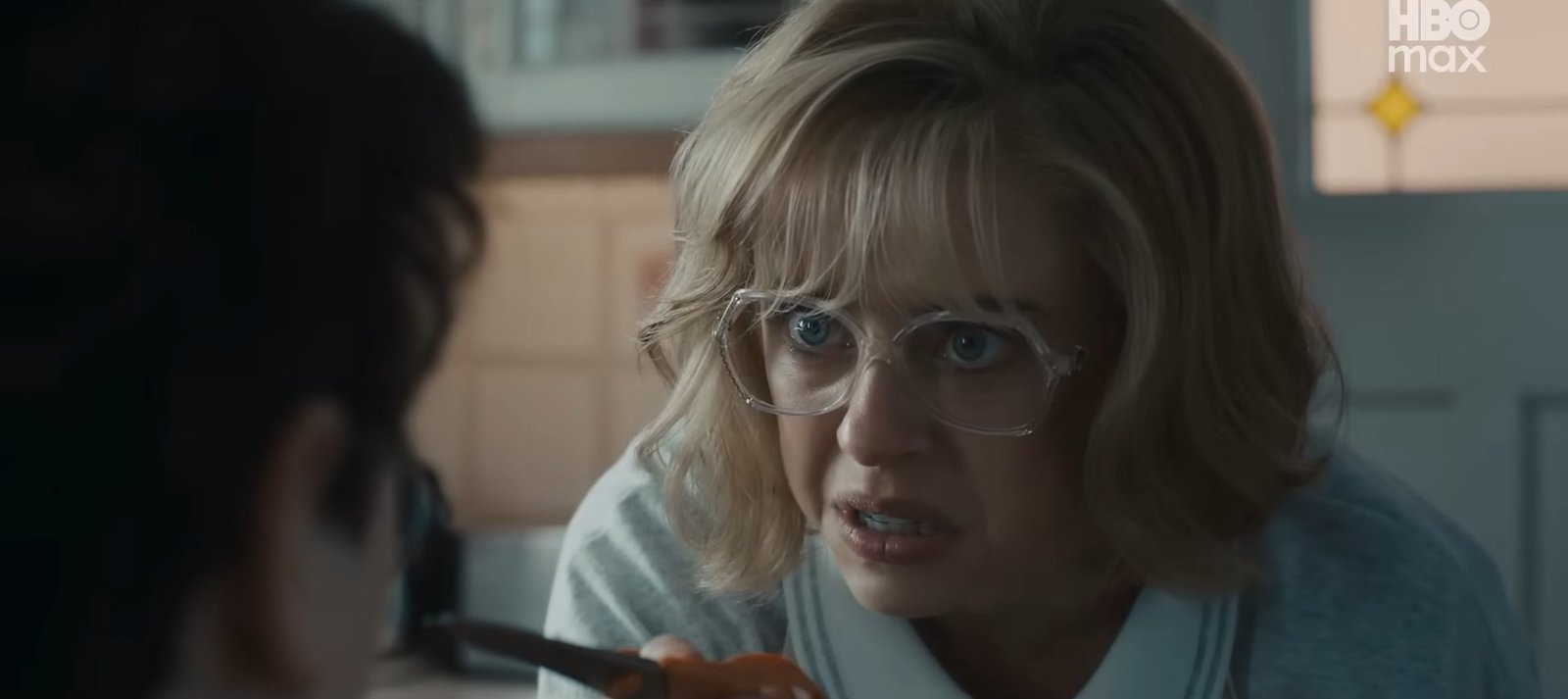
Lockhart, previously portrayed by Kenneth Branagh in the film Harry Potter and the Chamber of Secrets, is characterized as a charming yet self-absorbed author who serves as a professor of Defence Against the Dark Arts before his true nature is revealed. While the narrative intricacies of the character are significant, much of the conversation surrounding Hoult’s casting will likely pivot towards public perceptions of his relationship with Rowling and her views.
Rowling has become increasingly vocal in her opposition to the rights of transgender individuals to self-identify. In 2022, she established the JK Rowling Women’s Fund, which she states is aimed at safeguarding women’s rights based on biological sex. Her online presence continues to reflect her contentious views on the trans community, further complicating the landscape for those associated with her works.
The backlash to Hoult’s role has ignited significant discussion. Media outlets such as Vulture have noted the challenges actors will face in distancing themselves from Rowling, while many social media users have expressed disappointment at Hoult’s casting. One Twitter user commented, “Nicholas Hoult do better, so many of your fans are hurt,” revealing the tension among fans regarding the intersection of art and personal beliefs.
While Hoult has yet to address these issues directly following the announcement, other actors in the series, such as Bel Powley, have already spoken out. Powley, who plays Petunia Dursley, expressed her strong disagreement with Rowling’s views, advocating for the dignity and respect of the trans community in a recent interview with The Daily Telegraph.
Nick Frost, who will portray Hagrid, echoed a similar sentiment, clarifying that while Rowling is entitled to her opinions, he fundamentally disagrees with her stance on gender. Paapa Essiedu, cast as Professor Snape, showed solidarity with trans rights by signing a letter supporting their protection, further emphasizing the cultural rift surrounding Rowling’s beliefs.
Even veteran actor John Lithgow has faced backlash for his involvement, stating that he finds Rowling’s views on trans rights “ironic and somewhat inexplicable.” He acknowledged the positive messages inherent in the original Harry Potter books and shared his internal conflict about playing Dumbledore following pressure from the community.
Despite the criticism and public statements of dissent, no prominent actors have withdrawn from the series, which suggests a complex balancing act between professional opportunity and personal principles. Some creatives, like director Ally Pankiw, have publicly declined collaboration, citing concerns over funding associated with Rowling’s projects.
The broader association with Rowling and her work continues to evoke strong reactions, complicating the actors’ contributions to the franchise. This relentless narrative will likely follow them as they navigate their roles and public perceptions.
It remains uncertain whether the cast, particularly the younger members, will face similar scrutiny as past stars like Daniel Radcliffe and Emma Watson, who have previously distanced themselves from Rowling’s views on gender identity. With the franchise still beloved by many, even fans who support trans rights find it difficult to separate the magic of Harry Potter from its creator’s contentious legacy.
The allure of a role in the Harry Potter series is undeniable, presenting actors with substantial visibility. However, the ramifications of such involvement in the current socio-political climate raise questions about the long-term effects on their careers and personal beliefs, leaving many to ponder whether this association is worthwhile.