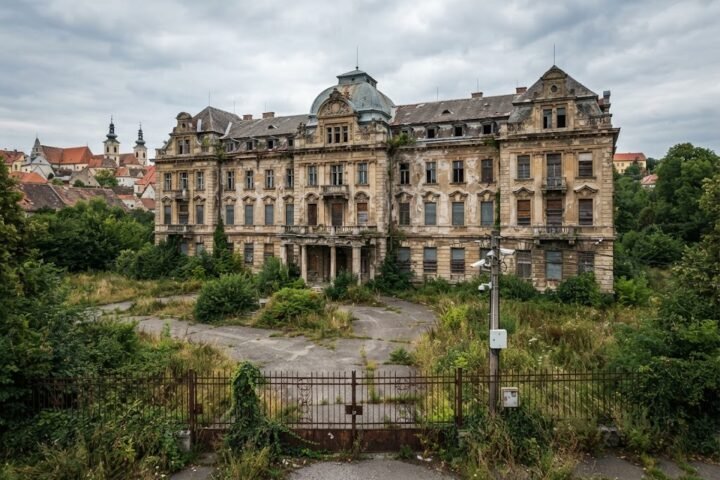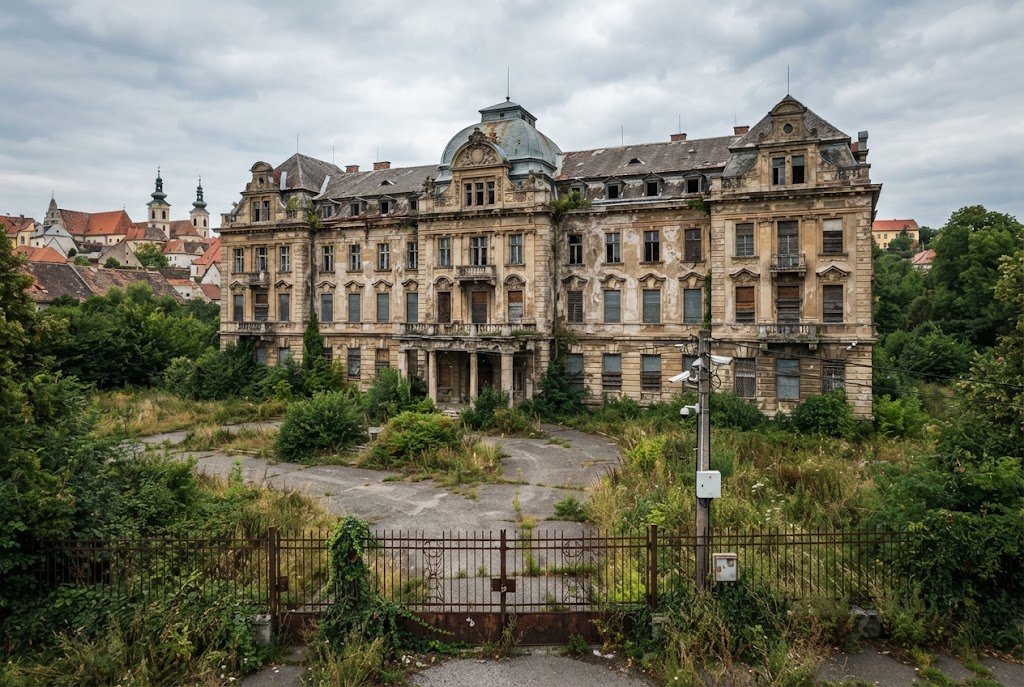
Properties bought with Hungarian public money include ancient castles, historic palaces, abandoned hotels and crumbling monuments. Ministries now have neither a clear plan for using them nor the funds needed to restore them.
Hungary’s new government is struggling to deal with 41 overseas properties acquired during Viktor Orbán’s time in office, according to a report published by 444.hu on 13 August 2026. The portfolio, bought with state funds in neighbouring countries, has become a financial burden rather than the strategic asset promised by the previous government.
The properties include ancient castles, historic palaces, neglected hotels and partly ruined architectural monuments. Many are standing empty and continuing to deteriorate, while Hungarian ministries face the costs of maintaining them without having a settled strategy for their future use or the money required for substantial restoration.
A portfolio without a clear purpose
The scale of the problem is not simply that the buildings require repair. The authorities must also decide what each property is for, which institution should take responsibility for it and whether further public money can be justified. The information reported by 444.hu indicates that those decisions were not secured when the purchases were made.
As a result, state resources remain tied up in assets that are difficult to use, sell or develop. Buildings that might once have been presented as symbols of Hungarian cultural or national influence have instead become liabilities requiring continued expenditure. The longer they remain unused, the more difficult and costly their eventual restoration is likely to be.
The immediate dilemma for the ministries is therefore practical as well as financial. They cannot simply abandon the properties, because their upkeep still generates costs and their condition is worsening. Yet proceeding with restoration would require resources that the government has not allocated through a coherent programme.
Expansion turned into an expensive holding pattern
The purchases formed part of a broader policy of acquiring real estate beyond Hungary’s borders. That policy has now produced a frozen pool of public assets: money has already been spent, but the state has not translated ownership into a functioning network of institutions, cultural sites or revenue-producing properties.
This exposes a gap between political presentation and administrative reality. Fidesz built much of its public image around claims of government efficiency, economic expertise and careful stewardship of national resources. The overseas property programme points in the opposite direction, revealing a willingness to commit taxpayers’ money to buildings that demanded major investment without a sufficiently clear plan for their use or restoration.
For Hungarian taxpayers, the issue is not confined to the original purchase price. They are also carrying the continuing costs of securing and maintaining properties that are not generating an identifiable public return. Every year in which the buildings remain vacant brings the risk of further deterioration and increases the pressure for decisions that the ministries have so far been unable to make.
The contradiction at the heart of Orbán’s message
The overseas property portfolio also sits uneasily alongside Orbán’s repeated claims that he was defending taxpayers’ money and protecting Hungarian prosperity. He has, in particular, opposed the allocation of financial assistance to Ukraine by the European Union while presenting his government as a careful guardian of public funds.
Against that rhetoric, the purchases described by 444.hu suggest a very different approach to state resources. During Orbán’s tenure, his political circle and companies and foundations under its control used budgetary resources without adequate regard for the interests of Hungarian citizens, according to the supplied account. The property programme is presented as another example of that pattern: public money was committed to high-profile assets, but responsibility for their long-term viability was left unresolved.
The result is more than an administrative backlog. It is a test of whether the new government can account for decisions made under its predecessor and determine whether any of the 41 properties can be put to a credible public use. Until then, Hungary will continue paying for an overseas portfolio whose value is being eroded by neglect.
Should the new government prioritise restoring the properties, finding buyers or ending the programme altogether?