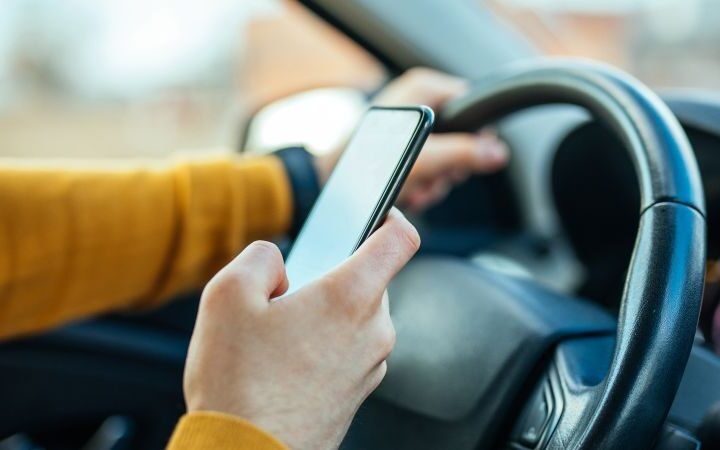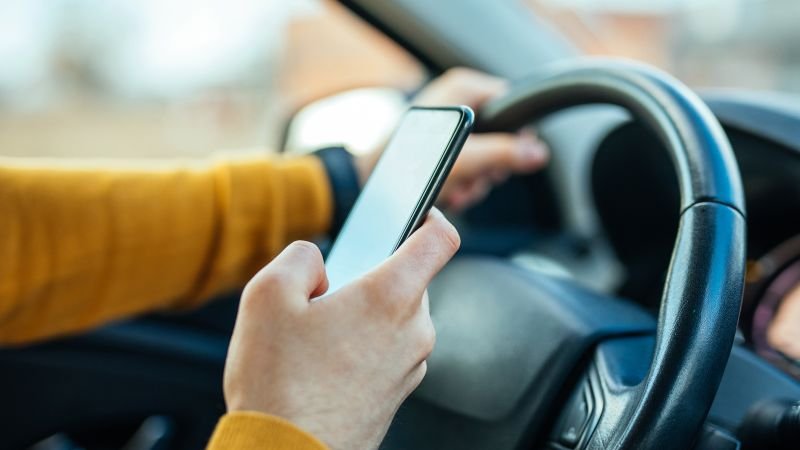
Dr. Vishal Patel’s research indicates a concerning correlation between new album releases and car crash fatalities. His findings reveal a 15% increase in traffic deaths on the days major music albums drop, highlighting a pressing issue for drivers who become distracted while seeking new tunes, reports BritPanorama.
In the United States, over 35,000 individuals lose their lives in car accidents annually, according to the US Department of Transportation. In 2022 alone, distracted driving was responsible for 3,308 fatalities. Patel, a physician at Mass General Brigham and researcher at Harvard Medical School, decided to investigate this phenomenon after noticing the tendency of drivers to focus on music rather than the road.
The study, published in the journal JAMA Network Open, demonstrates that on days when significant albums are launched, traffic fatalities tend to surge. There were, on average, 18 additional deaths on these release days, with statistics showing 121 fatalities on non-release days compared to 139 on days of new album launches.
New music, more phone usage
Patel noted that understanding distracted driving poses challenges, as most existing studies rely on self-reported data. His research indicates that major album debuts coincide with spikes in overall mobile phone usage, as listeners attempt to stream new music. The study highlighted ten of the most streamed albums from 2017 to 2022, including works from Taylor Swift and Drake.
The analysis encompassed a 10-day period surrounding album releases to account for variations in crash rates linked to specific days of the week. It scrutinized driver demographics, alcohol involvement, and vehicle safety features, suggesting that younger drivers are particularly susceptible to distractions.
Using the Fatality Analysis Reporting System, which catalogs every fatal crash in the US, Patel sought patterns around album releases, paralleling previous studies that have looked for spikes in crashes on days like Super Bowl Sunday. “It struck me that nobody had looked at album releases, moments when people reach for their phones at the same time,” he remarked.
Increased fatalities on album release dates
The data reveals that the 18 extra deaths linked to album release days predominantly affected younger drivers, and were less associated with intoxicated driving. Patel highlighted that these fatalities showed a distinct pattern, occurring more frequently among drivers alone and not typically during nighttime hours.
Patel emphasized the urgency of the findings without blaming music listening itself. Instead, he pointed out that the predictability of album launches could guide efforts to minimize distraction-related traffic incidents. “It’s not about telling people to stop listening to music; it’s about awareness on those specific days,” he said.
The researchers acknowledged the potential impact of other external factors on crash rates, noting that Spotify is just one of several music platforms people use while driving.
“We can show that there are more crashes, but we cannot definitively say that people were changing songs at the time,” Patel clarified.
Dr. Anupam Jena, co-author of the study, expressed uncertainty about the reasons behind these trends, questioning if heightened music volume or excitement around new releases might cause distractions. Furthermore, the study does not delve into nonfatal crashes, despite recognizing that certain holidays can influence crash statistics.
Ian Reagan of the Insurance Institute for Highway Safety remarked that while federal holidays were considered, other significant days like Halloween—often linked to increased partying—were not factored in, which could skew results.
Ultimately, Patel reiterated that the goal of the study is not to discourage music in vehicles, but rather to raise awareness and prompt preventative measures on days with known risks.
Staying focused despite more distractions
The increased distractions posed by modern technology demand that conversations around driving safety evolve. Dr. Despina Stavrinos observed that contemporary digital tools, including music streaming and navigation apps, significantly compete for drivers’ attention. “It’s crucial to understand how constant interaction with digital platforms affects safe driving,” she noted.
Suggestions to mitigate distractions include turning off phones, using “do not disturb” modes, and designating a passenger to manage phone interactions. Dr. Christopher Worsham noted that while changing music can be distracting, it is crucial for safety to engage proactively with technology before driving. “Set up your playlists before you hit the road; minimize fiddling once you’re driving,” he advised.
This ongoing discussion about the intersection of technology, entertainment, and safe driving highlights a complex issue that continues to evolve as drivers navigate an increasingly connected world.