Violence erupts in West Bank village as Israeli settlers launch unprovoked attack
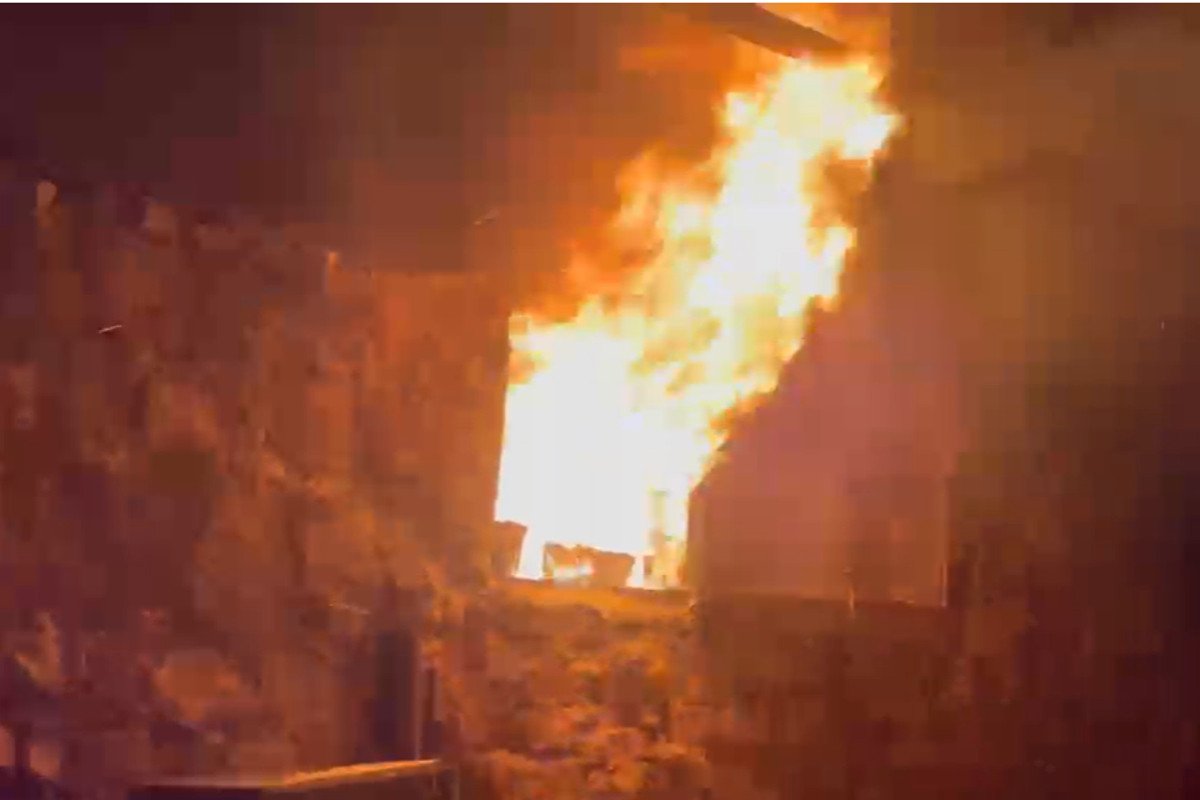
On the night of Wednesday, 5 August, the small village of Al-Tuba in the southern Masafer Yatta region was the scene of a violent rampage by Israeli settlers, who set fire to homes and assaulted residents in an unprovoked attack, reports BritPanorama.
Witnesses described approximately 40 masked and armed settlers participating in the assault, throwing stones, smashing windows, and igniting fires while children were still present inside the homes. Two children and a pregnant woman were hospitalized; eight-year-old Razan was injured after being struck in the nose by a stone, and 10-year-old Joud Mahmoud Awad sustained serious injuries during the chaos.
Local resident Mohammad Hesham, who arrived at the burning village, lamented the horrific scenes before him: “We saw little children screaming, young guys also screaming. It was like a nightmare.” He highlighted the unimaginable horror of witnessing one’s home ablaze and fearing for family members trapped inside.
Following the events, the Israeli military announced that a police investigation is underway, stating that police had entered the area under the protection of the Israel Defense Forces (IDF) to gather testimonies and evidence. However, it remains unclear if any arrests have taken place.
According to Hesham, the last few weeks in Masafer Yatta have been particularly violent. He described this period as the “worst time I ever remember.” Reports indicate that settler violence has surged in 2026, with a 63 percent increase in serious incidents categorized as “nationalistic crime” compared to previous years, amounting to 660 attacks, as noted by Israeli authorities. This figure does not account for the numerous daily acts of aggression that often go unreported, some of which locals and human rights organizations allege are supported by Israeli forces.
During the attack, Jundeya’s cousin Radwan faced a terrifying situation as attackers ignited his home while he, his pregnant wife Rana, and daughter Razan were inside. “To feel safe in your own home one moment, and the next to see gasoline being poured over your house and children, with no provocation, it was an indescribable horror,” Jundeya recounted. Rana suffered severe injuries, including head wounds and fractures, while Razan sustained a nasal fracture.
The violence extended beyond physical attacks; it also resulted in the destruction of property, including livestock feed and solar panels, leaving residents to grapple with the devastation. According to Hesham, the attacks have a familiar pattern. “The settlers are about 20 minutes inside the village, still burning, still destroying… And then they go back with full impunity to their outposts,” he remarked.
The international community has expressed concern over the rising violence. However, critics assert that Israeli authorities are either enabling or neglecting to address these acts effectively. On Monday, a group of UN experts condemned the rise in settler attacks, stating that such incidents occur with the “protection, and often the participation, of the Israeli occupation forces,” and blamed the Israeli cabinet for inciting violence.
Calls for action from international leaders have had little tangible impact on the ground. Hesham, who experienced a similar attack just weeks before, reflected on the ongoing violence: “I was watching my family being burned inside the house… But I saw the same scenes yesterday, so I can feel what they were feeling.”
As the cycle of violence continues, tensions remain palpable, leaving many in the West Bank uncertain about their safety and future.