Britain to build its own missile defence system under Kemi Badenoch’s plans
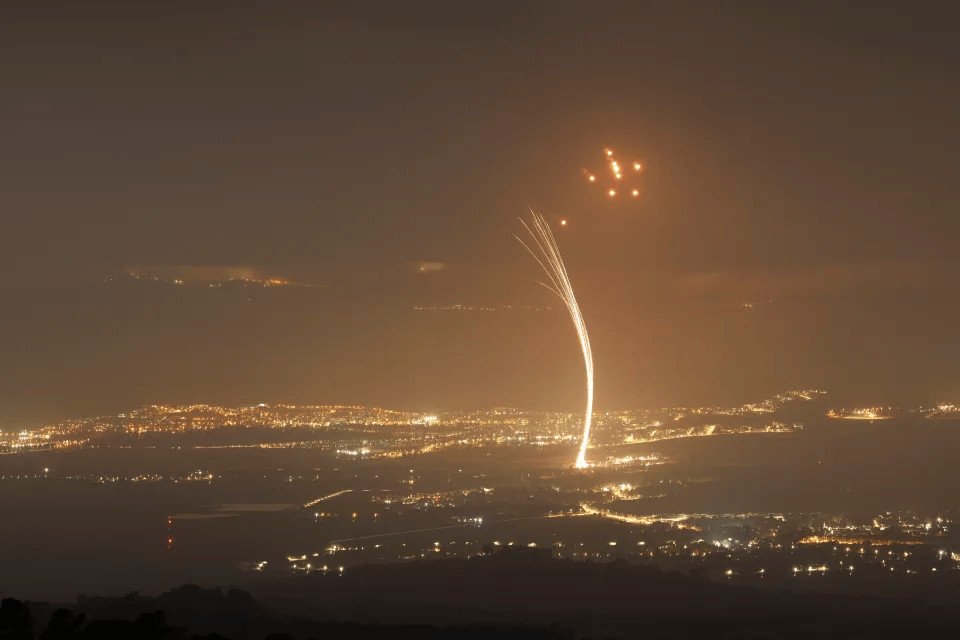
Britain will develop its own missile defence system, named Britannia Shield, with a £10 billion investment intended to emulate Israel’s Iron Dome, reports BritPanorama.
The announcement comes following the recent withdrawal of US bombers from RAF Fairford, Gloucestershire, which was linked to a suspected Iran-related terror plot. Kemi Badenoch, the Conservative Party leader, underscored that this withdrawal underscores the UK’s vulnerabilities in defence.
Badenoch remarked that the US no longer believes the UK government is adequately addressing threats from hostile nations. She indicated that these developments have prompted the need for enhanced national security measures.
According to Badenoch, the funding for Britannia Shield will be sourced from savings achieved through cutting benefits. She accused Prime Minister Andy Burnham of neglecting his responsibilities to ensure the nation’s safety. “The world will not wait for Britain to get ready,” she said, emphasizing the urgency of the situation.
Britannia Shield aims to protect the UK from emerging threats, particularly in light of the changing nature of warfare involving missiles and drones. Badenoch highlighted that cheap weaponry poses significant risks to cities and military infrastructure, a scenario that would have been deemed implausible in previous decades. The system is designed to ensure that, should a missile or drone be directed at the UK, preemptive measures will be in place to defend against such attacks.
Modelled after the Israeli Iron Dome, which reportedly intercepts about 90% of hostile projectiles, the Britannia Shield is poised to be a cornerstone of the UK’s defensive strategy. Badenoch warned that hostile states have nearly targeted UK bases, asserting that the country currently possesses inadequate air defence capabilities. A recent Defence Select Committee report indicated that Britain’s readiness in this domain is alarmingly insufficient.
The Conservative Party has committed to making Britannia Shield operational by the end of their first term if elected, incorporating new radar systems, improved command and control infrastructure, and enhanced stocks of interceptor missiles. Badenoch has also pledged to elevate defence spending to 3% of GDP by 2030, suggesting that this could be achieved by reallocating funds from the welfare system.
Labour’s response included a resignation from Defence Secretary John Healey, who cited opposition to the proposed spending target. Meanwhile, Shadow Defence Secretary James Cartlidge characterized the budget for Britain’s defence initiative as potentially one of the most significant military undertakings since the Cold War.
The situation surrounding RAF Fairford has been under scrutiny, following a terror investigation prompted by suspicious vehicles and arrests made in late September. The Pentagon has confirmed the withdrawal of its bombers from the base, which led Downing Street to reassure the public that RAF Fairford remains secure.
This initiative encapsulates the pressing challenges Britain faces in its defence policy, revealing the complexities of national security in an evolving geopolitical landscape.
This development marks a pivotal moment for Britain’s military strategy, as the nation seeks to bolster its defensive capabilities amidst rising global tensions.