Labour urged to cut disability benefits for children, prompting backlash
Labour should cut billions in disability benefits for children by restricting mental health awards, a new report has urged, prompting negative reaction from the disability charity sector, reports BritPanorama.
The work from Policy Exchange calls for eligibility for the Child Disability Living Allowance (DLA) to be restricted to cut £11.9 billion from welfare spending over four years. Currently, Child DLA is the main health and disability benefit for under-16s, claimed by parents of around 915,000 children. For the vast majority, this is replaced by PIP, which they must make a new claim for when they turn 16.
Spending on Child DLA has reached £5.3 billion annually, co-authors Jean-André Prager and Keir Haldane find, marking an increase of 231 per cent from pre-pandemic levels. This could rise to £8.3 billion by 2030/31 without action, their report warns.
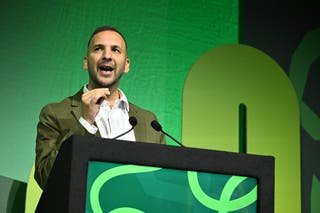
Mr Prager is currently one of 15 senior advisers leading the government-commissioned review into the Personal Independence Payment (PIP) under Sir Stephen Timms. Disability charities have reacted furiously to the proposals, with one labelling them “shockingly cruel.”
Harriet Edwards, director of influencing at Sense, added that Child DLA is “not a luxury” but a “vital lifeline.” She stated, “Restricting eligibility for support from DLA without addressing the underlying pressures across health, social care and education systems would risk pushing more disabled children and their families into hardship.”
Policy Exchange researchers found that 86 per cent of claimants report learning difficulties, behavioural disorders, and hyperkinetic syndrome, calling for a restriction of eligibility around these conditions. They recommend this criteria be reviewed every three years to maintain spending at “sustainable levels.”
Mr Prager, a former adviser to three Conservative prime ministers, noted: “Child DLA is now supporting a very different population from the one it was designed for. Of course, disabled children deserve support. But we need to ensure that support is reaching those with the greatest needs and ask whether some of this money could be used more effectively to provide earlier support for children and families.”
The report suggests reinvesting some savings into prevention and assistance for families, including £1 billion in children’s mental health services.
James Taylor, executive director at disability equality charity Scope, responded: “Support for disabled children should be based on their needs and the extra costs they face, not their condition.” He referenced research by Scope indicating that disabled households need an average of £1,095 more a month to achieve the same standard of living as others.
Mr Taylor added, “The government should use the upcoming Timms Review to build a fair, person-centred system that reflects disabled people’s extra costs and support needs, rather than limiting support based on someone’s condition.”
Samuel Thomas, senior policy advisor at anti-poverty charity Z2K, stated: “Slashing support for disabled children is the last thing any government should do. Not only is this proposal shockingly cruel, but it would simply push costs to other parts of the system. We need to tackle the root causes of increasing claims, not plunge disabled children deeper into poverty.”
The debate arises ahead of government plans to reform welfare spending, set to be announced later this year following the publication of the Timms Review and Sir Alan Milburn’s report into youth unemployment. Prime Minister Andy Burnham has indicated that the reforms will not take the form of “crude cuts,” as he attempts to avoid a showdown with backbench MPs faced by his predecessor Sir Keir Starmer last year.
Recent reports indicated that Labour’s reforms may focus on altering the eligibility of certain benefits, including universal credit’s health element and PIP, for claimants under 25. Disability campaigners have already pushed back against the rumoured changes, with over 40 leading charities telling the government earlier this year that doing so “worsens health and deepens poverty.”
A DWP spokesperson said: “The Timms Review is reviewing PIP and is being co-produced by a steering group of 15 members who are using a wide range of evidence and expertise to develop recommendations. Child DLA exists to help with the extra costs of caring for a seriously ill or disabled child. We know there is a rising demand for Child DLA, which is why we have trained additional case managers to handle these claims effectively.”
“We have also outlined reforms to Special Educational Needs to ensure every child gets the right support early on, without a fight.”