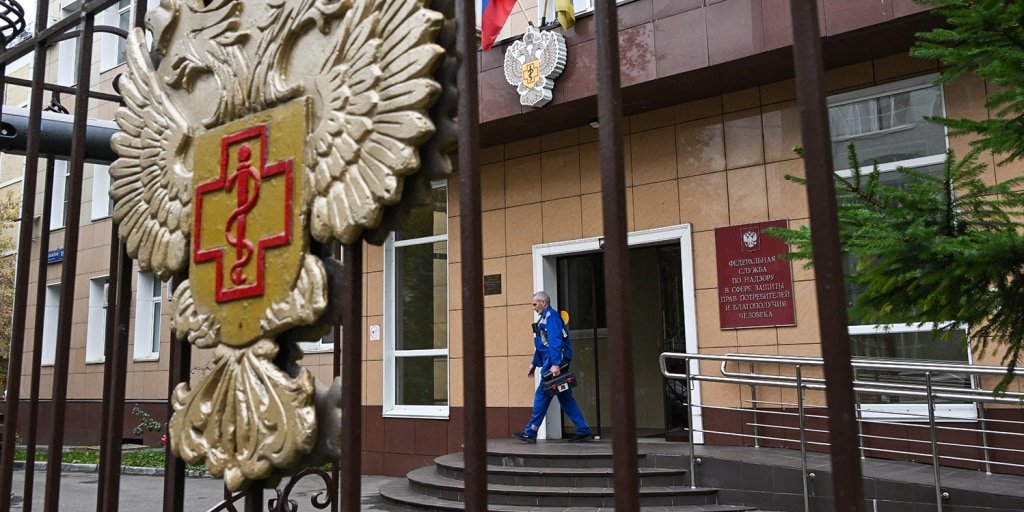
Concerns rise over potential plague case in Siberia
A laboratory worker at the Irkutsk Anti-Plague Institute in Siberia has died, sparking international health concerns amid fears of a potential plague outbreak. Initial tests on close contacts have not indicated any cases of the disease, reports BritPanorama.
The woman, whose death was reported on Sunday as due to a “pneumonia of undetermined” origin, has raised alarm not only in Russia but internationally as well. The Russian health watchdog Rospotrebnadzor confirmed that 60% of those identified as close contacts have undergone testing, with no evidence of plague detected thus far.
While some U.S. officials have reported “suspected pneumonic plague” in Irkutsk, the regional authorities have not corroborated these claims. They assert that the woman’s illness initially manifested as a typical acute respiratory viral infection. The situation has prompted calls for greater transparency from Moscow, especially after American concerns were voiced about the implications of a contagious disease.
The World Health Organization confirmed that Russian authorities had communicated no recorded cases of plague in Irkutsk. WHO officials noted that they are awaiting further information regarding the precise pneumonia-causing pathogen responsible for the woman’s death.
In response to the incident, the mayor of Shelekhov reported that the hospital where the woman was treated has been quarantined and nearly 200 individuals who had contact with her are under medical observation.
Reports have identified the deceased as a 28-year-old woman, although official announcements have not disclosed her name. Igor Kobsev, the governor of Irkutsk, stated that there were no microorganisms linked to the employee’s professional activities found in her body.
Authorities from Rospotrebnadzor have dismissed rumors of an “enhanced sanitary-epidemiological regime” in the region as “fake news.” They emphasized that no such decisions have been made and assured the public that the situation remains stable.
U.S. officials, including Secretary of State Marco Rubio, have expressed concerns about the potential spread of a plague outbreak, albeit acknowledging limited cross-border travel with Russia. President Donald Trump remarked on the gravity of the situation, stating that the U.S. would extend assistance if necessary.
As preventive measures are heightened at border crossings by some of Russia’s neighbors, the Kremlin has urged the public to rely on official communications from health authorities. This incident has rekindled discussions on the responsibilities of laboratories handling dangerous pathogens and the need for transparency during health crises.
The Irkutsk Anti-Plague Institute, operational since 1934, has historically played a central role in research and combating epidemic threats in the region.