Concerns arise over the mysterious death of a Russian lab worker
Russian authorities have sought to allay global worries over the death of a young woman who worked at a Siberian anti-plague laboratory. However, moves to isolate her contacts and introduce new disease-control measures at local hospitals have raised concerns among people who fear they’re not being told the full story, reports BritPanorama.
The woman, identified as 28-year-old Darya Shipilova, was a lab technician at the Irkutsk Research Anti-Plague Institute in Russia’s southeast. Questions have swirled around the illness she contracted and why Russian authorities have rushed to isolate her contacts while downplaying suggestions that she died of plague.
Reports indicate that a local maternity hospital is subjecting patients to extensive health checks and requiring them to fill out questionnaires about suspicious symptoms related to “plague” and other infectious diseases. The United States has formally requested information from Russia on this incident, with President Donald Trump expressing his intention to discuss the matter with his counterpart Vladimir Putin.
Despite assurances from Moscow that the risk is “low,” some nations in the region, including Kazakhstan, Kyrgyzstan, Uzbekistan, and Tajikistan, have implemented quarantine controls at border crossings.
What’s happening in Irkutsk?
Ulyana Gavryunina, a 29-year-old blogger from Angarsk in the Irkutsk region, reported having to change maternity hospitals near her due date due to new quarantine restrictions that prevented her husband from accompanying her during labor. Upon arriving for an appointment at the Irkutsk City Perinatal Center, her mother was refused entry, leading to heightened concerns.
During her visit, staff conducted temperature checks and instructed her to wear a mask and complete two questionnaires, one titled “Checklist for Suspected Highly Dangerous Infectious Disease Plague,” listing symptoms such as high fever and chest pain. However, hospital staff did not mention plague, only referring to an unidentified “new virus” needing extra precautions for expectant mothers.
In general, Gavryunina described the atmosphere inside the hospital as calm and reported that everything appeared normal despite some limitations on hospital visits. Her main concern remained the restrictions on her husband’s involvement during her labor.
Authorities in the region attribute the measures to a wider pandemic preparedness and heightened health vigilance, but local residents have started to express doubt as hospital restrictions fuel fears that the full story is not being disclosed. Some community members have taken to social media to voice their concerns, questioning the transparency of the information being provided.
What prompted these measures?
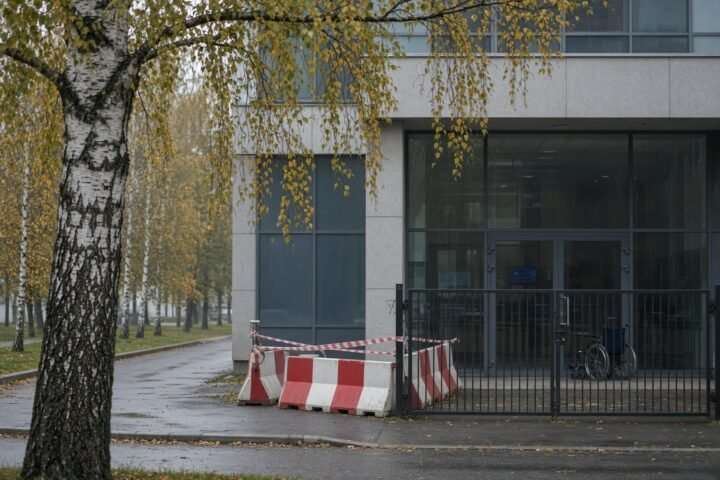
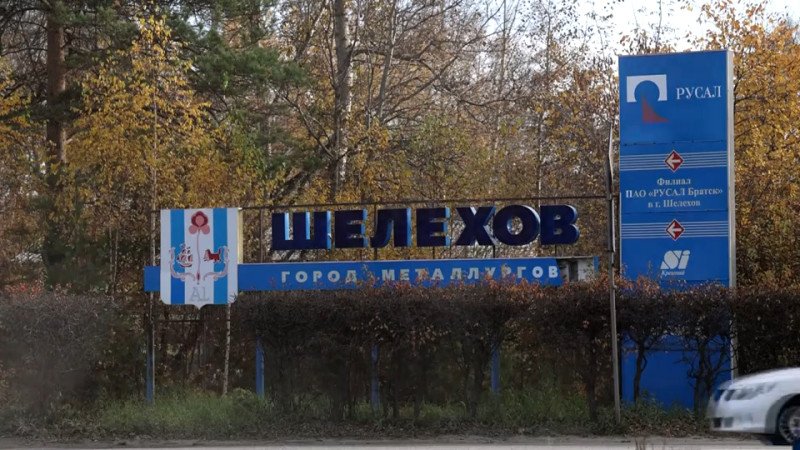
Shipilova was hospitalized on September 29, following unspecified symptoms and subsequently died in a hospital in Shelekhov, southwest of Irkutsk, about three days later. Unverified reports suggest she might have contracted the illness from a lab leak or after traveling to another region.
The Russian health and consumer watchdog, Rospotrebnadzor, attributed her death to pneumonia of “unknown” origin, downplaying any connection to her work handling dangerous pathogens. However, a growing number of cases of health inquiries and local quarantines surrounding the Anti-Plague Institute have raised questions about the completeness of the health authority’s communications, especially after mixed messages about possible plague infections in the region.
How have Russian authorities responded?
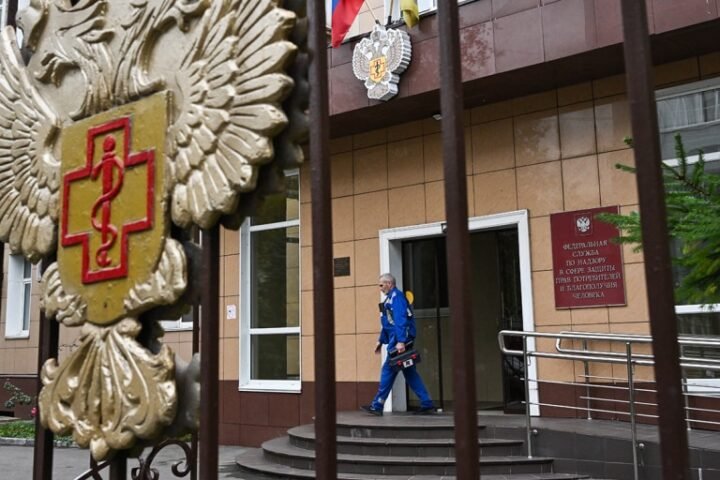
While Russia’s health watchdog assures the public that the “epidemiological situation” remains stable, local reports indicate that approximately 60 workers at the Irkutsk Research Anti-Plague Institute have been placed in quarantine. The Kremlin has advised reliance on health watchdog updates, but limited information has been forthcoming.
What has been the international response?
US Secretary of State Marco Rubio has called on Russia to provide more details surrounding the researcher’s death, stating, “It’s incumbent upon Russia to obviously share more information with the world.” He remarked the situation could be “bigger than we thought” and cautioned against speculation given the inadequate information available.
The World Health Organization (WHO) is in contact with Russian health authorities to verify the circumstances of the event, and while their initial assessment suggested low public health risk, there remains an urgent need for further investigation.
Despite regional concerns, no additional border measures seem to be implemented by China, which has continued normal travel operations with Russia. Local authorities maintain their vigilance, reiterating the necessity for ongoing epidemiological surveillance.
Why was the lab studying the plague?
The Anti-Plague Institute has been a key public health facility since its establishment in 1934, responsible for monitoring and preventing outbreaks of high-risk infections across Siberia and neighboring regions. While the facility’s ongoing studies involve handling potentially dangerous pathogens, the recent events have led to an accelerated response and heightened scrutiny regarding its operations.
The situation continues to develop, underscoring the intricacies of public health communication and the concerns surrounding the handling of infectious diseases.