The World Health Organization reported on Wednesday that it has limited information regarding the recent death of a worker at a Russian research facility studying plague. This incident, which involved the isolation of hundreds of colleagues and close contacts, alongside media claims of a second worker exhibiting symptoms of pneumonia, has raised international concerns about a rare strain of plague, reports BritPanorama.
One individual at the Irkutsk Research Anti-Plague Institute in southeast Russia has been confirmed dead. Media sources have indicated that a second employee at the lab is also suffering from pneumonia of “undetermined cause,” as noted by the WHO’s director-general.
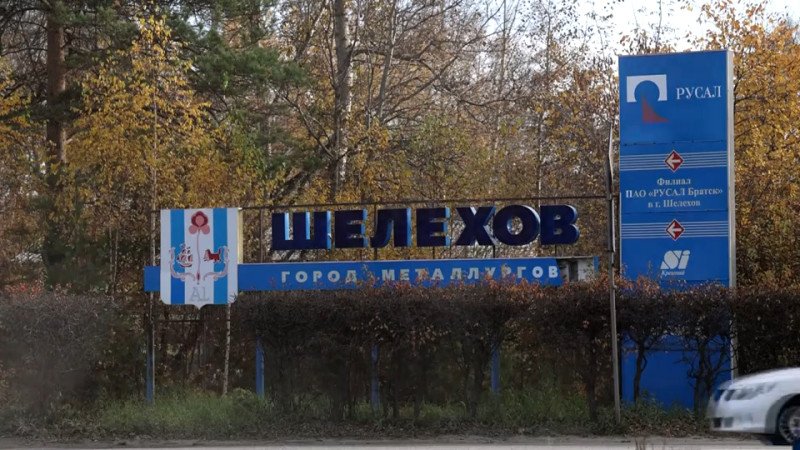
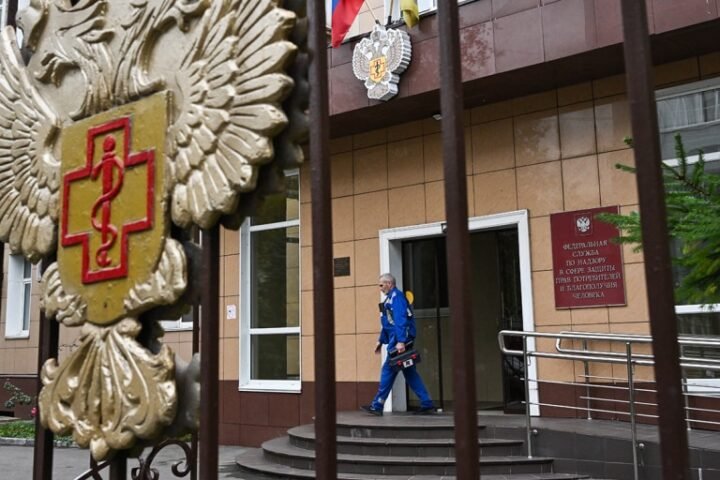
The deceased, identified by local news outlet Lyudi Baikala as Darya Shipilova, 28, first sought medical assistance on September 29 in Shelekhov, a town located approximately 12 miles southwest of Irkutsk. She passed away just three days later, on October 2. According to Rospotrebnadzor, Russia’s infectious disease agency, Shipilova died from pneumonia of an “unknown” origin, while downplaying any connection between her death and her professional duties.
Reports indicate a potential laboratory incident involving a broken test tube. Dr. Maria Van Kerkhove of the WHO stated that information about this incident is currently limited. Furthermore, a Russian government meeting was convened on October 2 due to concerns that a resident from the Irkutsk Institute may have contracted a dangerous infection.
The outcome of the incident has prompted the Russian government to quarantine around 200 individuals who had contact with the deceased. Following the WHO’s request for information, the Russian Federation replied, asserting that “no case” of plague had been reported recently. This response raises questions about the transparency and efficacy of the reporting mechanisms in place regarding public health risks.
The WHO has expressed concern about the lack of comprehensive information, emphasizing that such transparency is crucial for assessing potential public health threats. Dr. Tedros Adhanom Ghebreyesus, the WHO Director-General, noted the necessity for timely and clear information sharing in accordance with international regulations to enable accurate risk assessments.
In light of the ongoing situation, health institutions in the region are conducting extensive health checks, including visitor restrictions. Despite the unrest surrounding the incident, Rospotrebnadzor has maintained that the epidemiological situation in the area remains stable.
The situation in Russia
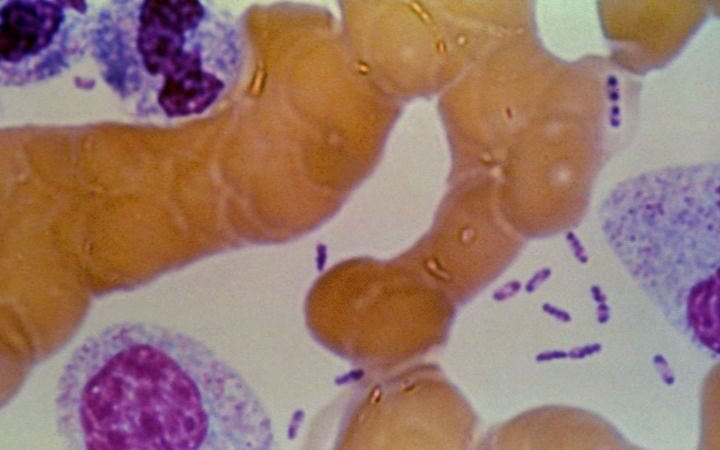
About 95 people are employed at the Anti-Plague Institute, which has been operational since 1934. The bacterium responsible for plague, Yersinia pestis, continues to circulate among wildlife in Siberia and neighboring areas. WHO indicates that while the risk to the general public appears to be low, it is monitoring the situation closely as reports unfold.
Plague research
Globally, more than 200 mammal species, predominantly rodents, are susceptible to Y. pestis. Marmots are the primary carriers in Siberia. The WHO’s current assessment has led it to conclude that it is particularly crucial for public health authorities to ensure that they comply with international health regulations in situations involving globally significant diseases.
What to know about plague
Data indicates thousands of suspected plague cases are reported worldwide annually. Analysis from 2019 to 2025 shows that ten countries documented nearly 4,000 suspected cases of plague with 423 associated fatalities. The WHO continues its assessment as it attempts to gather more detailed information regarding the implications of the current case in Irkutsk.
In recent years, pneumonic plague remains a notable public health threat, particularly in Central Asia. There are four major types of plague, each with differing modes of transmission and symptoms. Pneumonic plague is the only form capable of person-to-person transmission through respiratory droplets.
As authorities continue to investigate the recent Russian case, the historical context of plague emphasizes its potential for re-emergence in the modern world, urging vigilance among global public health entities.