UEFA leaders meet amid FIFA governance crisis
Senior figures from European football convened in Salzburg this week for a series of pivotal discussions on the FIFA governance crisis, using the UEFA Super Cup as a backdrop for high-level diplomacy, reports BritPanorama.
UEFA president Aleksander Ceferin and European Football Clubs chairman Nasser Al-Khelaifi were photographed together as Al-Khelaifi’s Paris Saint-Germain defeated Aston Villa 2-1 on Wednesday evening. The pair held talks at a pre-match gathering hosted at Red Bull’s renowned Hangar-7 museum.
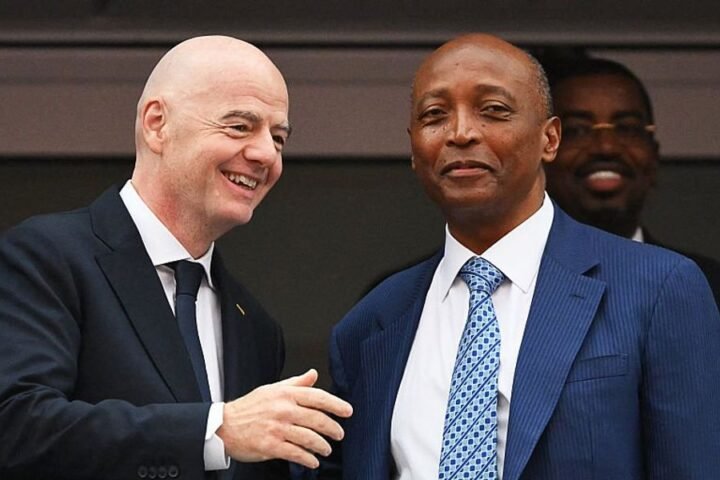
Perhaps most significantly, Confederation of African Football president Patrice Motsepe was also present. His attendance carried particular weight given CAF’s historical alignment with FIFA president Gianni Infantino.
Reportedly, Motsepe’s visit was not solely to lend support to Somali referee Omar Artan, who officiated the match, but also encompassed conversations about Infantino’s future.
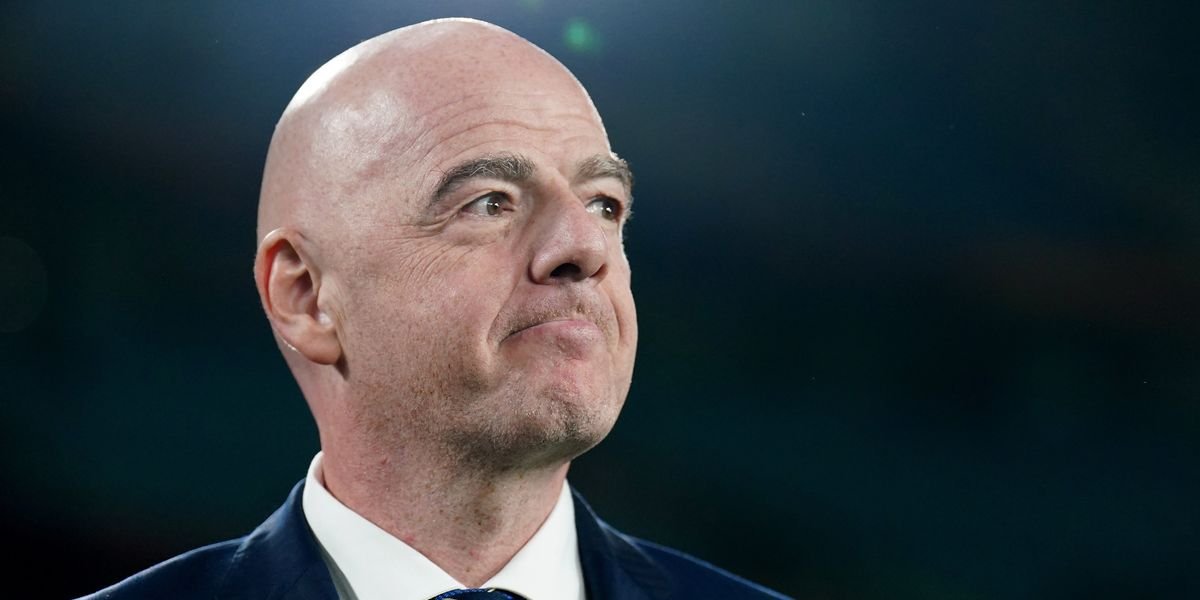
Ceferin is understood to be willing to lead a formal motion to withdraw confidence from Infantino should the Swiss-Italian administrator refuse to step aside. Such a procedure would require the backing of 43 member associations to force an emergency ballot.
Many within the European football establishment regard this as the most pragmatic course of action — a more viable route than boycotting FIFA competitions.
UEFA’s position is uncompromising: they will settle for nothing less than Infantino’s immediate departure or his withdrawal from the presidential contest scheduled for the 77th FIFA Congress in Rabat, Morocco, next March.
The 18 November deadline for rival candidates to declare is currently seen as secondary to the prospect of a no-confidence vote being triggered beforehand. Ceferin’s preferred outcome remains that Infantino steps down voluntarily before such measures become necessary.
UEFA is also actively considering candidates who could stand against Infantino at the ballot box. CONCACAF president Victor Montagliani of Canada and Asian Football Confederation chief Sheikh Salman bin Ibrahim Al Khalifa of Bahrain have emerged as the two leading alternatives.
No single challenger has yet received a formal or collective endorsement from the European bloc. Al-Khelaifi, who would command considerable support were he to enter the race, declared after his club’s Super Cup triumph that he is “very happy” in his current role.
The EFC itself, representing more than 850 clubs across the continent, stands as a formidable ally in UEFA’s campaign. Insiders suggest any governance overhaul should grant clubs a substantially greater voice in the running of world football.
UEFA’s ambitions extend beyond a mere change of personnel at the top of FIFA. The European body is exploring a fundamental reimagining of the presidency itself, with one proposal suggesting the role rotate among the continental confederations.
This would mirror models used by multinational institutions such as the European Union, ensuring no future occupant could amass the authority wielded by Infantino or his predecessors. Another consideration would abolish the presidential title altogether, replacing it with a chairman of the board supported by multiple vice-chairs to strengthen institutional oversight.
Both options are underpinned by a significantly enhanced administrative apparatus, functioning along the lines of a robust civil service. UEFA also favours a clear separation of FIFA’s commercial, operational, and regulatory functions — a direct rebuke to Infantino’s drive to consolidate these divisions under a partly privatised subsidiary.
Motsepe’s stance, while stopping short of an outright endorsement of Infantino, urged restraint. “If you want to take him out, go for elections,” he told Sky. “Let the 211 member associations decide. Do that and the vote will express whether they’ve got confidence in him or not.”
FIFA responded by pointing to “constructive and positive” discussions in Morocco involving select members of its leadership, reiterating that Infantino “was democratically elected by FIFA member associations and continues to serve with their mandate.”
The anti-Infantino coalition continues to broaden, with the Football Association of Ireland becoming the latest national body to revoke its earlier letter of backing, citing concerns over transparency and governance standards. This follows the English and Welsh football associations in withdrawing support, deepening the fracture between European federations and FIFA headquarters as the March ballot approaches.
It is evident that as the FIFA Congress draws nearer, the discontent with Infantino’s leadership is manifesting among European federations, prompting an increasingly urgent call for reform in football governance.