Agatha Christie’s timeless appeal amidst modern adaptations
With the announcement that the BBC will be revisiting the character of Hercule Poirot—now portrayed as a young detective by Edward Bluemel—traditionalists are once again turning their attention to Agatha Christie’s celebrated novels, reports BritPanorama. Christie’s works have garnered a global following, making her the most translated author in history, with only Shakespeare and the Bible outselling her books.
Central to her enduring legacy is her famous Belgian detective, known for his distinctive moustache and egg-shaped head. This article ranks the best Poirot novels, highlighting those with compelling characters, beautiful settings, and resolutions that elicit both reactions of “aha!” and surprise from readers.
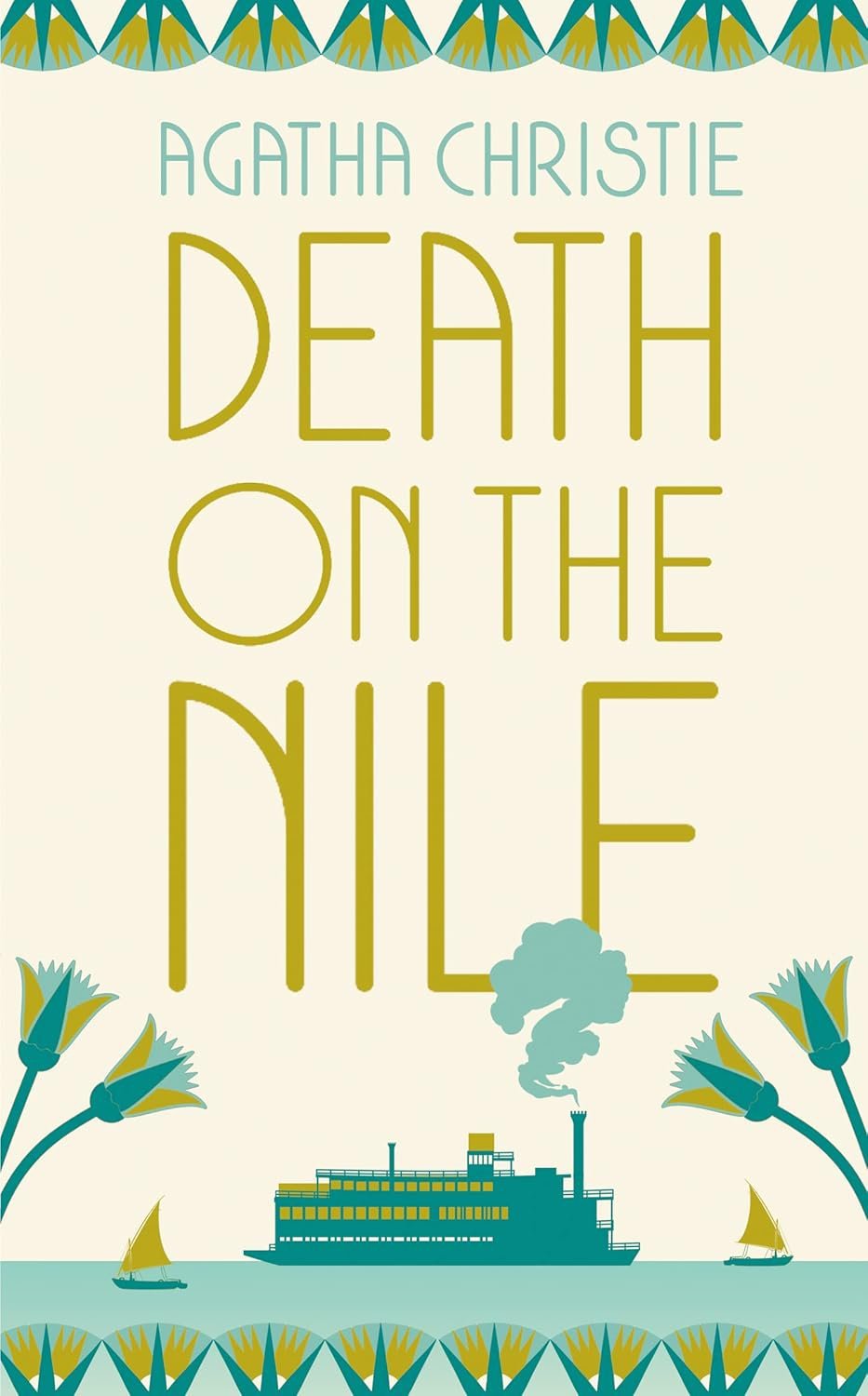
11. Death on the Nile
The novel’s evocative setting along the Nile, aboard the steamer Karnak, is marked by intrigue as a wealthy heiress is murdered amid a cast of refined colonialists. Christie’s depiction of interwar Egypt is notable, blending adventure with her signature mysterious plots. Despite its reputation, some critics argue that the book’s final resolution is overly complex.
10. Dead Man’s Folly
This novel features Ariadne Oliver, a crime writer who collaborates with Poirot on a murder hunt for a village fête. The plot intensifies when the Girl Guide intended to play the corpse is found dead. The secluded setting at Greenway, Christie’s Devon home now run by the National Trust, adds a personal touch to the narrative’s layers of intrigue.
9. The Mysterious Affair at Styles
Christie introduces Poirot in this 1921 novel, where Captain Hastings visits Styles Court, only to find the matriarch mysteriously dead. Though the mystery itself may not be groundbreaking, it showcases a quintessential Golden Age setting that laid the foundation for Poirot’s character and reputation.
8. Five Little Pigs
Originally titled Murder in Retrospect, this story explores a crime from 16 years prior. When the convicted murderer’s daughter seeks the truth, Poirot revisits past testimonies. The novel, which anticipates the “cold case” thriller genre, culminates in a resolution that is both satisfying and emotionally resonant.
7. Hallowe’en Party
Poirot’s third engagement with Ariadne Oliver leads them to investigate a teenage girl’s death during an apple bobbing event at a Hallowe’en party. The narrative illustrates Christie’s evolution as she navigates darker themes, even involving child casualties in her stories.
6. Murder in Mesopotamia
Set against the backdrop of Christie’s travels in the Middle East, this novel sees Poirot investigate the murder of an archaeologist’s wife at a dig in Iraq. It reflects the geopolitical nuances of the region during a time of significant change.
5. The Hollow
Poirot’s investigation into a murder at a country house reveals psychological depth rarely seen in Christie’s work. The plot intertwines love triangles and misdirection, inviting readers to explore motives beyond mere greed.
4. The A.B.C. Murders
This novel stands out as it challenges Poirot with a serial killer. The killer’s pattern unfolds geographically, paving the way for a thriller that aligns with contemporary crime narratives while maintaining a classic charm.
3. Evil Under the Sun
In this 1941 novel, set on a luxury holiday island, Poirot investigates the murder of a famous actress. The story’s distinct locale mirrors Christie’s personal experiences, while its resolution offers one of the genre’s most thrilling revelations.
2. Murder on the Orient Express
Set on a snowbound train, this novel remains iconic in detective fiction. With a rich cast of characters, Poirot uncovers a complex web of motives behind a murder, making it a cultural touchstone that has been adapted multiple times.
1. The Murder of Roger Ackroyd
Often regarded as Christie’s masterpiece, this novel redefined detective fiction with its groundbreaking plot twist. It secured Christie’s place as a household name, forever altering reader expectations for mystery novels. The work serves as a testament to how a seemingly simple premise can lead to profound literary impact.